
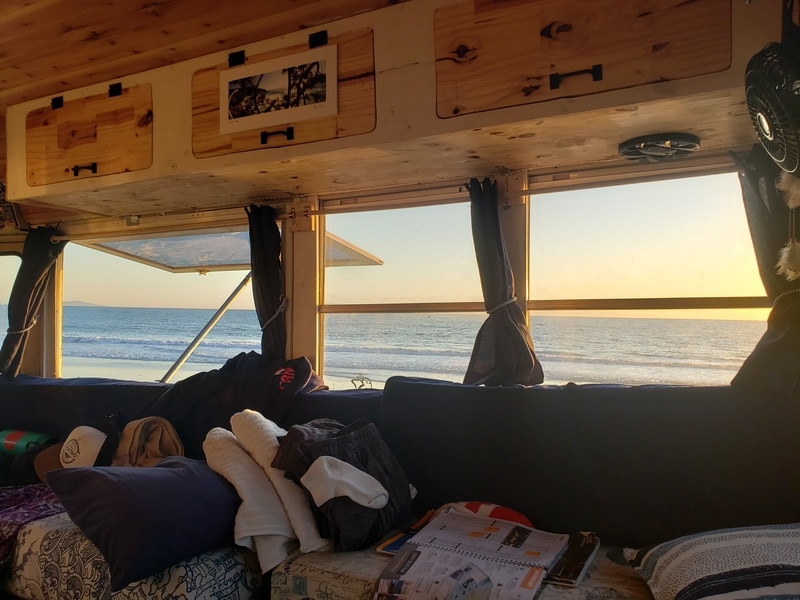
You’ve watched the YouTube tours. You’ve saved the Instagram posts. The dream is real, but there’s a whole layer of bus life that nobody puts in the thumbnail. Here’s what actually catches people off guard once they’re living in it.
The reality of full-time bus life isn’t bad, it’s just different from what you expect. Parking is harder than you think, fuel costs add up fast, laundry becomes a weekly mission, privacy basically disappears, and maintenance never stops. None of these are dealbreakers, but every single one will surprise you if you’re not ready for them.
1. Parking Is a Constant, Low-Grade Stress
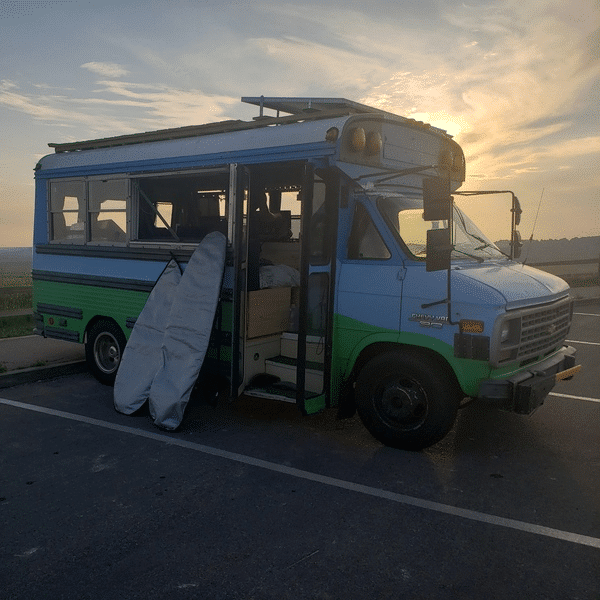
This is the one that hits first. You’ve got this beautiful build, you’re ready to explore, and then you realize you can’t just pull into a normal parking spot.
“Where on earth do you park this thing to live in it?”
Well, the short answer is: it depends on where you are and how long you’re staying. Some people bounce between Walmart lots, BLM land, campgrounds, and friends’ driveways. Others rent a spot at an RV park long-term. But here’s the thing, not every RV park accepts skoolies. Some have strict policies about converted buses, and you won’t know until you call or show up. We’ve got a full guide on where to park a skoolie that covers all of this in detail.
“How easy is it to find a place to park that thing?”
I’ll be honest, this was the part that stressed me out the most in our first couple months. We rolled into a small town in New Mexico, figured we’d just find a campground, and every single one was either full or had a “no converted vehicles” policy. We ended up in a church parking lot for the night after the pastor saw us circling the block and waved us in. That kind of thing happens more than you’d think.
You can’t wing it the way you would with a sedan. Grocery store runs? You’re scouting the back of the lot. Movie theater? Good luck. You start to think about every destination in terms of “can I physically fit there?” And yes, people actually ask this. A lot.
So what does that actually look like day to day? You get good at it. You learn which chains are friendly, which campgrounds don’t care what you’re driving, and which towns will leave you alone. But that learning curve is real. If you want to get ahead of it, check out our post on whether you can park a skoolie in a regular parking lot.
2. Fuel Costs Will Shock You at First
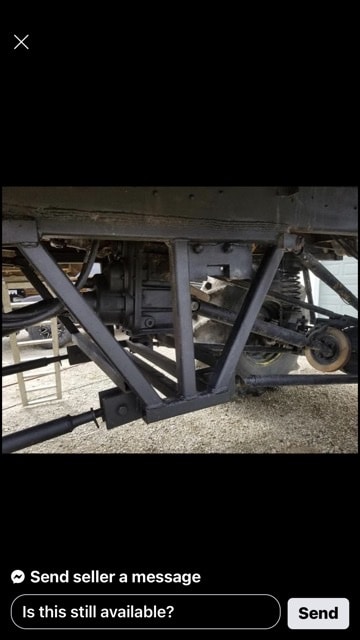
“What’s the gas mileage? Is it really feasible to be driving that bus around when gas is over $3 a gallon?”
Here’s the deal. Most full-size skoolies get somewhere between 6 and 10 miles per gallon. A short bus might squeeze out 10-14. So when you’re filling a 60-gallon diesel tank at $4 a gallon, you’re looking at $240 per fill-up. That’s not a typo. We break down the real numbers in our gas mileage guide if you want the full picture.
“How much money per week do you spend in gas?”
Now, the key thing people miss is that most full-time bus dwellers aren’t driving every single day. If you’re moving once a week, your fuel budget might be $400-600 a month. If you’re parked for a season, it’s basically zero. The people who get wrecked by fuel costs are the ones who think they’ll drive across the country every month. You won’t. And once you accept that, the numbers get a lot more reasonable.
3. Laundry Becomes a Whole Event
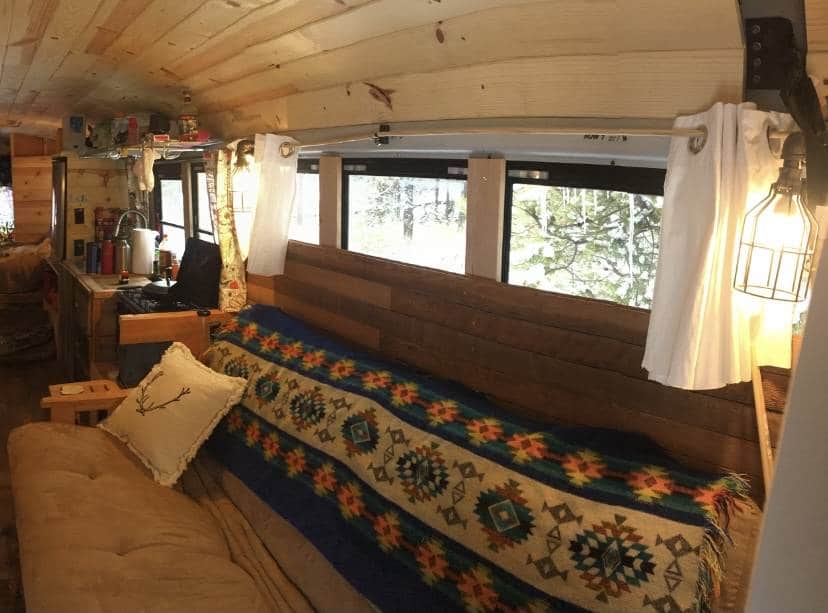
“No washing machine?”
“With 4 kids where is the washer/dryer?”
Alright, let’s talk about the thing nobody puts on their bus tour — dirty clothes. Some builds have a combo washer/dryer unit. Most don’t. And even if you do have one, it’s tiny. You’re washing maybe 4-5 items at a time. If you’re curious about whether it’s even worth installing one, we wrote about putting a washer and dryer in a school bus.
So what do most people do? Laundromats. Every week or two, you’re hauling a bag of laundry to the nearest one. It becomes part of the routine, almost like a ritual. I actually started looking forward to laundry day after a while. There’s something kind of nice about sitting in a warm laundromat with a coffee, catching up on reading while the machines run. It’s a couple hours of forced downtime, and honestly, I needed that more than I realized.
Is it glamorous? Not even close. But you figure out a system, and it stops being annoying after a few weeks.
4. Privacy Is Basically a Myth

“What do yall do for privacy?”
“I have an honest question… What’s the privacy like for ‘grown up time’?”
Ok, so let’s just get into this one. If you’re a couple with no kids, you’ve got the whole bus. Close the curtains, you’re fine. But if you’ve got kids? You’re living in roughly 200-300 square feet with zero soundproofing between “rooms.”
So what does that actually mean? It means you get creative. You plan around nap times, bedtimes, and outdoor activities. You learn that the bus parked near a creek with the windows cracked provides surprisingly good white noise. And yes, the bus does rock. Everyone asks.
Here’s the thing, people in studio apartments deal with this too. You adapt. It’s just that nobody warns you about it before you move in.
5. You’ll Spend More Time on Maintenance Than You Expected
“How costly is the maintenance?”
“I was a bus driver too. Ours needed constant maintenance, there was always something going out. Was that your experience?”
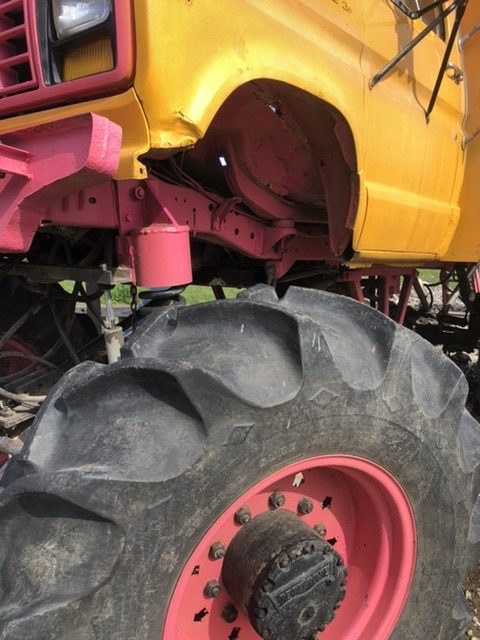
So here’s where the YouTube fantasy runs headfirst into reality. School buses are built tough, but they’re also old commercial vehicles with a lot of miles. Things break. Belts wear out. Coolant leaks. Brakes need attention. I remember spending an entire Saturday under the bus in a Walmart parking lot in Arizona, replacing a coolant hose that decided to blow at the worst possible time. That’s just the life. You get used to it, but you never really plan for it being your Saturday activity.
A good rule of thumb? Budget $1,500-3,000 per year for maintenance on a well-maintained diesel bus. That covers oil changes, filters, belts, and the random stuff that pops up. But if you bought a bus with deferred maintenance, and a lot of people do, that first year could be $5,000+ easy. Our skoolie maintenance schedule can help you stay ahead of the big stuff.
“Who is going to fix your bus? Takes a special mechanic to work on a vehicle like that.”
Now, finding a mechanic is its own challenge. Not every shop will take you. You’re looking for diesel mechanics, truck shops, or the rare mobile mechanic who’ll come to your campsite. It’s doable, but you need to plan for it.
6. Weather Affects Everything

“I just want to know… what does someone do in freezing temps living in it?”
“How do you handle the heat?”
This one’s a two-sided coin. In winter, a poorly insulated bus is basically a metal ice box. Your pipes can freeze, your heater runs constantly, and condensation builds up on every window. In summer, that same metal box turns into an oven. You’re looking at 120+ degrees inside if you’re parked in direct sun without AC.
So what do people do? They chase the weather. Snowbirds head south in October and north in April. The ones who don’t move deal with it through insulation, diesel heaters, mini-split AC units, and a lot of patience. If you’re planning for cold weather, I’d recommend reading our post on how to keep a skoolie warm in winter. And for the hot months, we’ve got a breakdown of cooling options for hot climates.
Sounds complicated, right? It’s really not, once you’ve been through one season, you know exactly what you need. But that first summer or winter will test you.
7. Loneliness on the Road Is Real
“My biggest fear is how to cope with loneliness on the road alone. I have depression and I am worried driving for hours and hours by myself to explore the world would make my mental health worse.”
This question stopped me. Because it’s honest, and it matters.
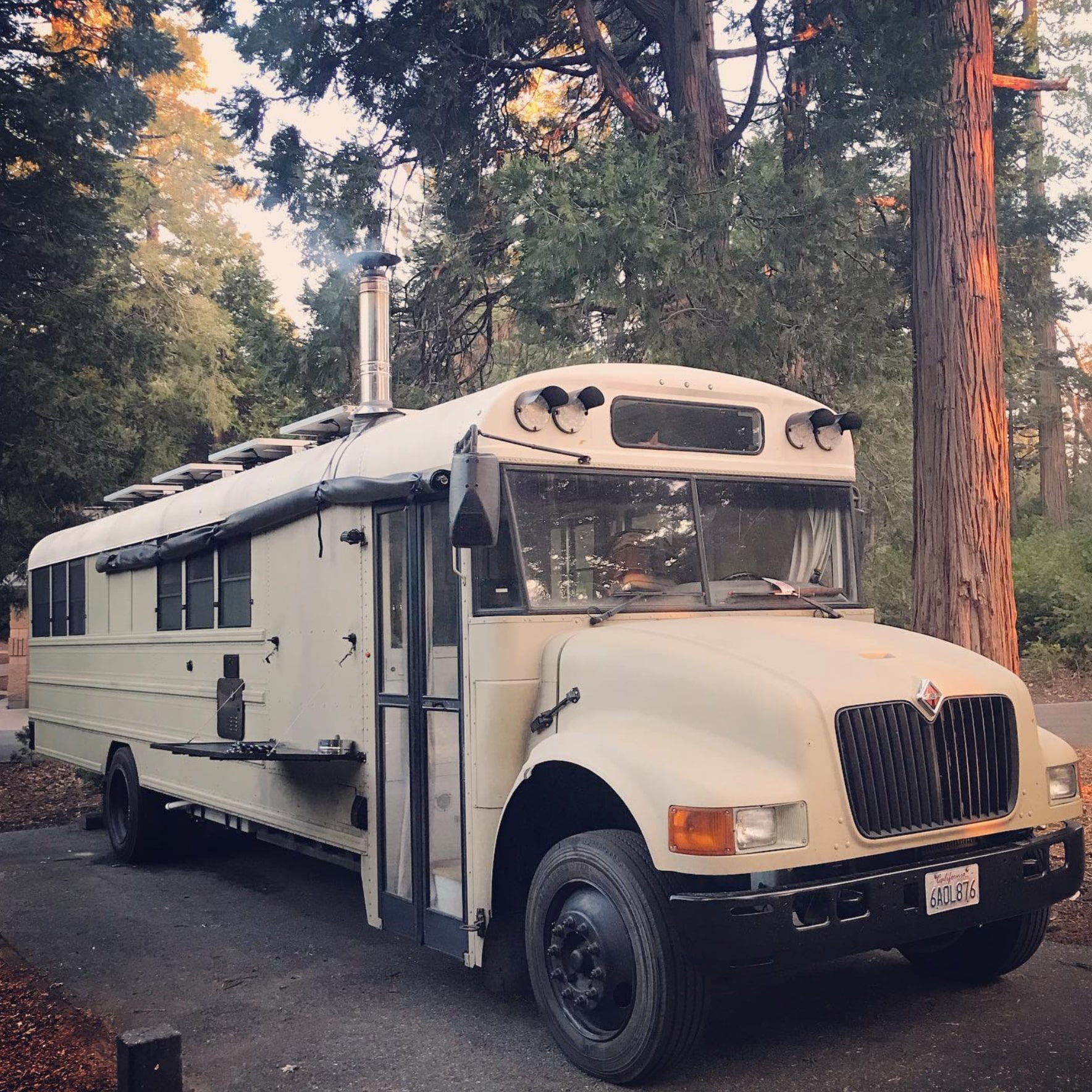
The bus life community talks a lot about freedom and adventure. They don’t talk enough about the quiet nights parked alone in a rest area, or the weeks when you don’t have a real conversation with another human.
So how do people handle it? Community apps, bus life meetups, staying near friends, and being intentional about where you park. Some people join caravan groups and travel together. Others find their people at campgrounds and rallies.
Now, I’m not going to pretend this is easy for everyone. But the people who struggle most are the ones who expected the road to fix their loneliness. It won’t. You have to build connection on purpose, same as anywhere else. But it’s absolutely doable, people do it every single day.
8. Your Stuff Shrinks to Almost Nothing
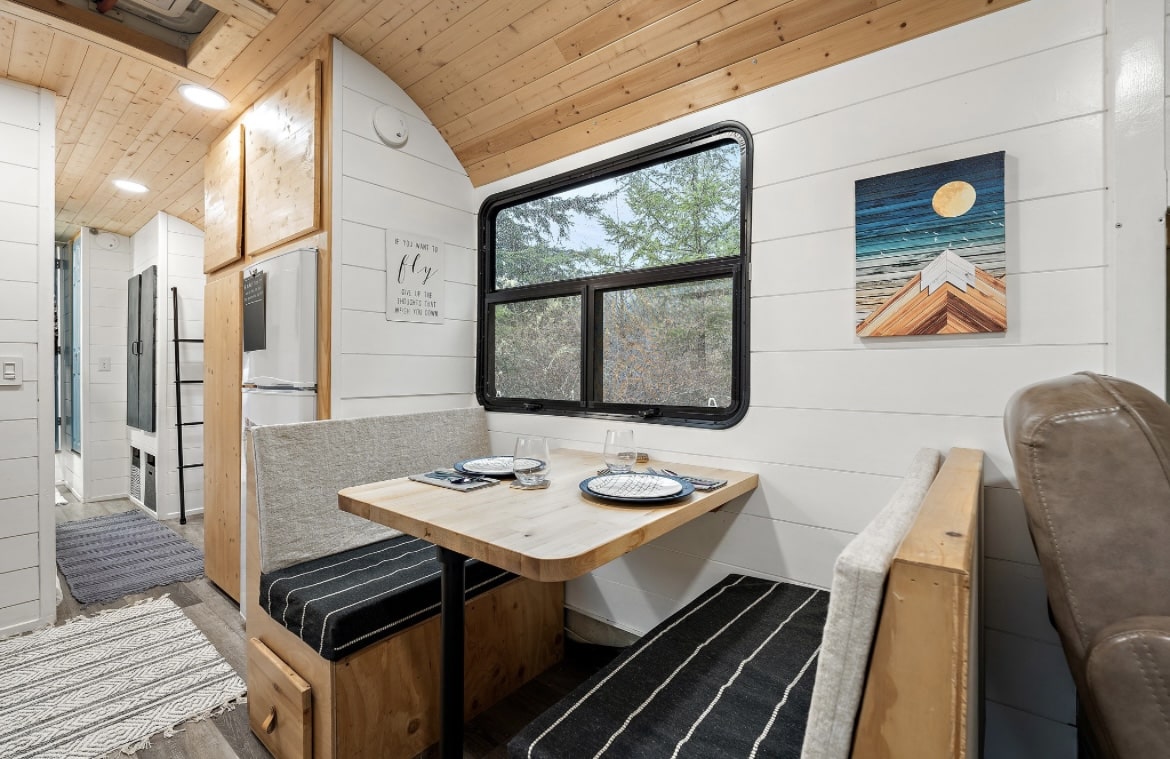
You know that storage unit you’re thinking about renting? You’re not the first. Going from a house or apartment to 250 square feet means making hard decisions about what you keep.
“Where do they keep all of their clothes?”
Most bus dwellers have a small closet and a couple of drawers. That’s it. You learn to do capsule wardrobes without even knowing what a capsule wardrobe is. Two pairs of jeans, a week’s worth of shirts, a coat, done.
Here’s the thing, most people say this ends up being freeing, not limiting. You stop thinking about stuff and start thinking about experiences. But the process of getting rid of things? That part’s rough. Don’t underestimate it.
9. The “Where Do You Go to the Bathroom?” Question Never Ends
“How do you dispose poops and waste materials?”
Everyone asks. Every single person. So let’s just knock this one out.
Most skoolies use one of three setups: a composting toilet, a cassette toilet, or a traditional RV black tank system. Composting toilets are the most popular in the bus life world because they don’t need plumbing and they don’t smell (seriously, they don’t, if set up right). We go into all the options in our guide on putting a bathroom in a school bus.
The maintenance is simple but regular. You’re emptying a urine container every couple of days and swapping out the composting medium every few weeks. Is it glamorous? Obviously not. But it takes about 5 minutes and then you don’t think about it again. People make this way bigger in their heads than it actually is.
10. Internet Is Solvable, But Not Simple
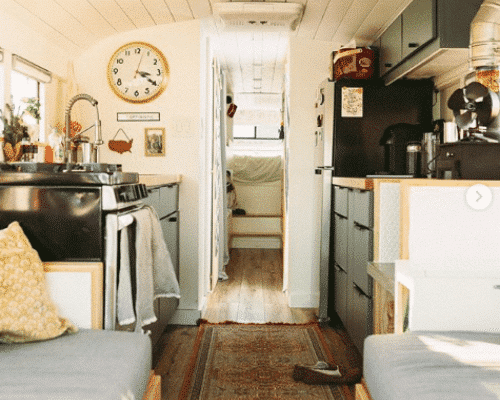
“How do you get wifi in there?”
“How do you pay your bills online, check your checking account? Internet access?”
Well, the good news is that mobile internet has gotten dramatically better in the last few years. Most bus dwellers use some combination of a cellular hotspot, a cell signal booster, and Starlink.
Starlink changed the game for a lot of people. It works almost anywhere and gives you reliable speeds for remote work, streaming, and video calls. It’s not cheap (around $120/month plus the hardware), but if you work remotely, it’s basically a business expense.
So can you work from a bus? Yes. Thousands of people do. But you need to invest in your setup and accept that some boondocking spots will have zero signal. Plan for that.
11. You’ll Need a Tow Vehicle, and That’s Another Expense
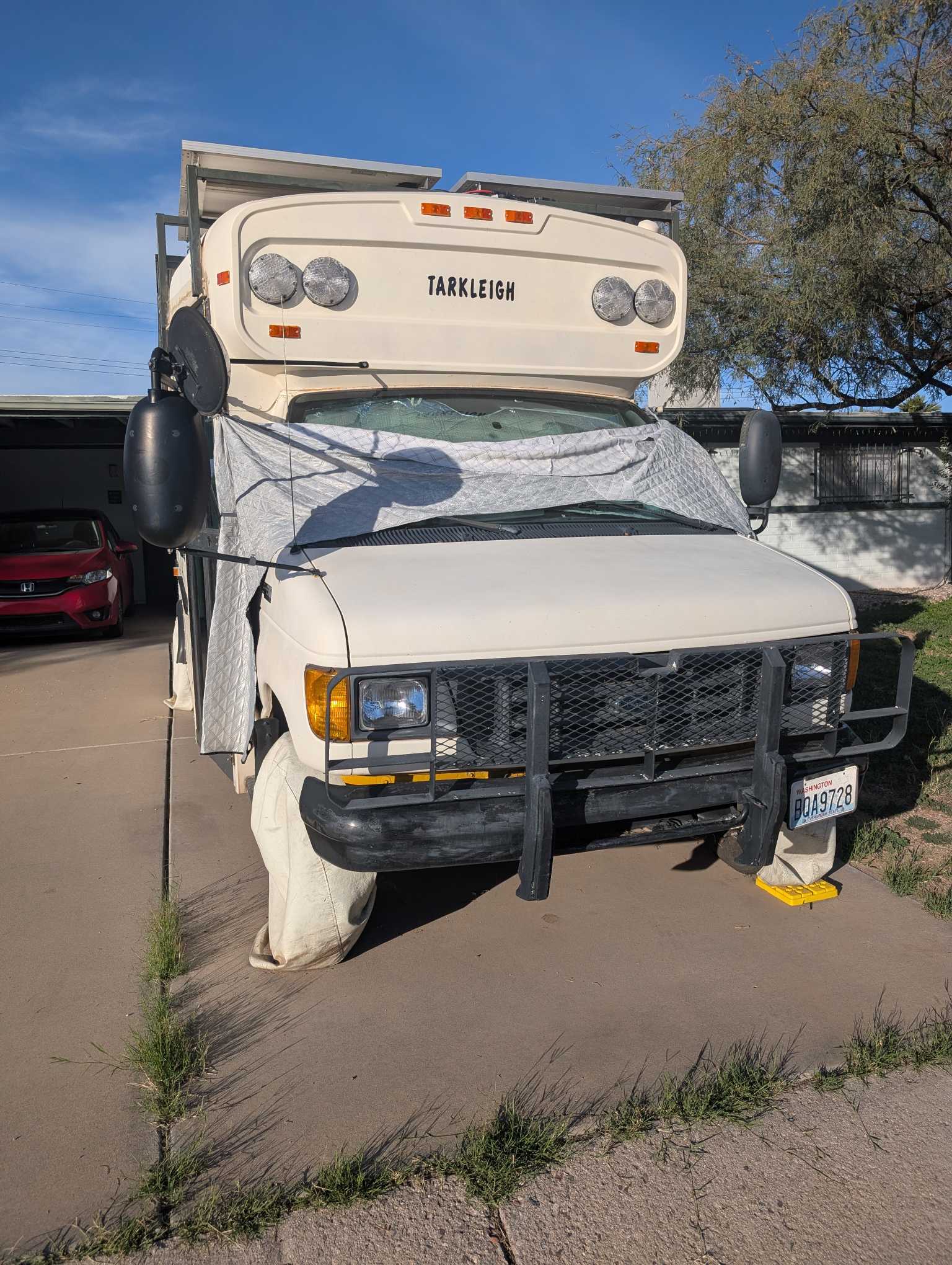
“When you travel, does one of you drive a car behind the bus?”
Alright, this one catches people off guard. You can’t exactly run to the grocery store in a 40-foot school bus. So most full-timers tow a car, keep a scooter on the back, or have bikes.
I learned this the hard way during our first week. We needed groceries and I thought, “I’ll just drive the bus to Kroger, no big deal.” Spent fifteen minutes trying to navigate the parking lot, knocked a branch off a tree pulling out, and came home with a new rule: we’re getting a tow car. If you’re thinking about this, we’ve got a post on towing a car behind a skoolie that covers the setup options.
Towing a car means you need a tow dolly or a flat-tow setup, which adds $1,000-3,000 upfront. Plus you’re hauling extra weight, which means more fuel and more wear on the drivetrain.
Some people skip the tow vehicle entirely and just drive the bus everywhere. Is it convenient? No. But it works if you’re parked long-term and don’t mind Uber or bumming rides. You’ve got options, they’re just not free.
12. RV Parks Can Be Hit or Miss
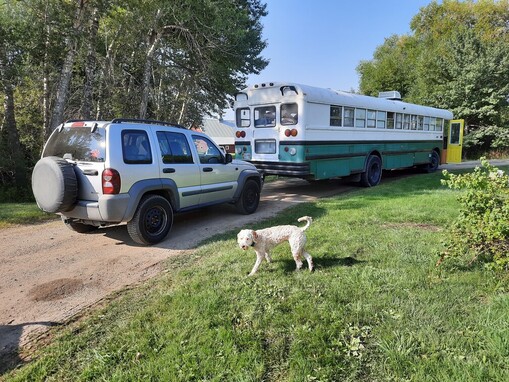
“It’s beautiful! Do you ever have problems getting into RV parks?”
“How many RV parks allow this style of motor coach?”
So here’s something that might surprise you: not all RV parks welcome converted buses. Some have age restrictions on vehicles (nothing older than 10-15 years). Others just don’t like the look of a school bus, even a beautifully converted one.
Your best bet? Call ahead. Always. Send photos if they ask. The parks that are bus-friendly tend to stay bus-friendly, and word gets around in the community fast. There are Facebook groups and apps dedicated to exactly this.
Do you see what I’m saying? It’s not that you can’t find a spot, it’s that you need to plan more than someone in a factory-built Class A motorhome.
13. Severe Weather Is Legitimately Scary
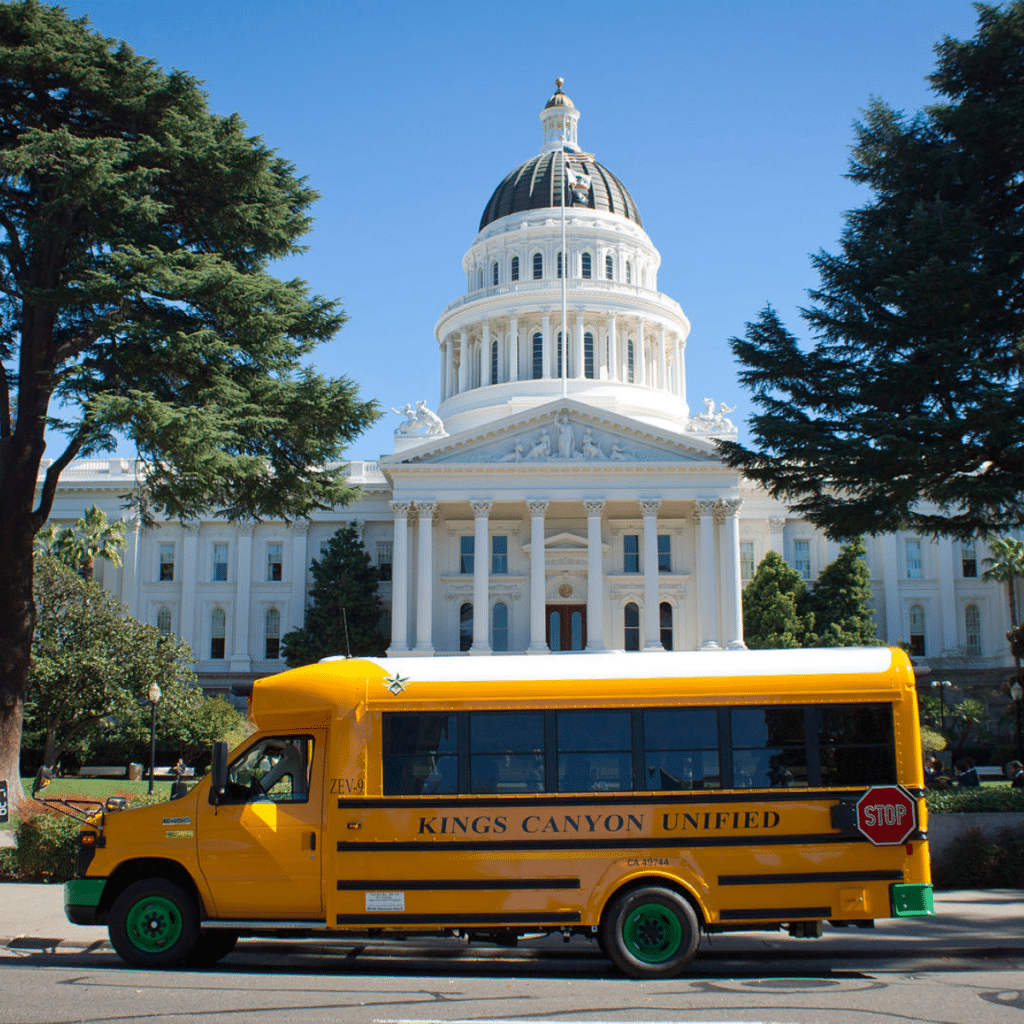
“How do you deal with bad storms with heavy wind or tornadoes?”
“Have you been in 40+ mph wind yet?”
Now, this is one nobody wants to talk about. A school bus is tall, flat-sided, and heavy, but not heavy enough to ignore a 40 mph crosswind. You’ll feel it. The bus sways, things rattle, and your heart rate goes up.
Tornadoes? You leave. That’s it. You check the forecast daily, and if severe weather is coming, you move or find a building. There’s no riding out a tornado in a bus. Period.
High winds are more manageable but still unnerving. Most experienced bus dwellers won’t drive in winds above 30-35 mph. You just wait it out. Is it inconvenient? Sure. But it beats getting blown off the highway.
14. Healthcare Doesn’t Stop Just Because You’re on Wheels
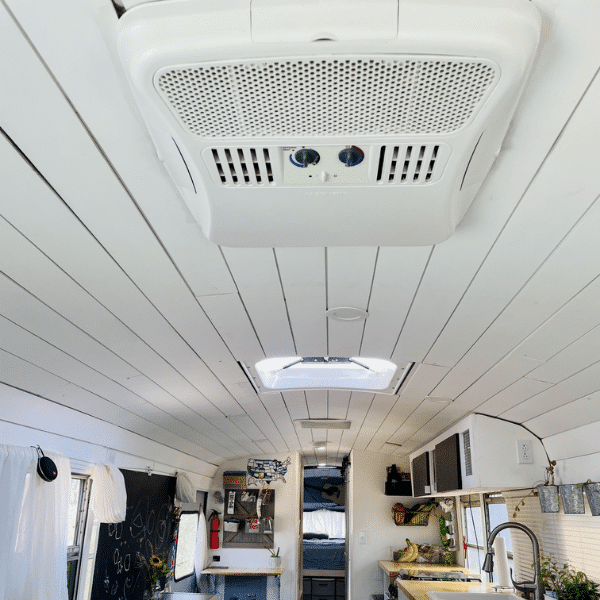
“Nice bus! One thing I don’t see mentioned on any of these type of videos for expenses is healthcare. Is everyone going without?”
This is the one that deserves way more attention than it gets. The answer is no, most people aren’t going without. But figuring it out takes work.
Options include ACA marketplace plans (you pick a state where you have a domicile address), health sharing ministries, or employer-provided insurance if you work remotely. Dental and vision? You schedule those when you’re near a city.
What about emergencies? You go to the nearest ER, same as anyone. But having a plan matters. Know where hospitals are along your route. Keep a first aid kit that’s actually stocked. And for the love of everything, don’t skip health insurance to save $400 a month. That’s a gamble you don’t want to lose.
15. You’ll Question the Decision, and That’s Normal
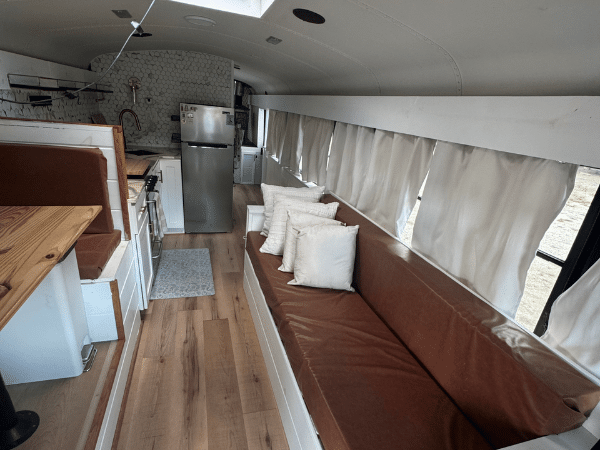
“Hi! My parents were thinking about getting one and us living in it. What are some bad and good things about living in one?”
Here’s the truth nobody puts in their highlight reel: there are days when you’ll wonder why you did this. The sink is too small. The dog tracked mud across the entire “house” in three steps. It’s raining and you can’t go outside and the walls feel like they’re closing in.
That’s normal. Every bus dweller has those days.
But then you wake up parked next to a lake in Montana with your coffee and the sun coming through the windshield, and you remember exactly why. The good days outnumber the bad ones by a wide margin, you just have to be ready for both.
The Bottom Line
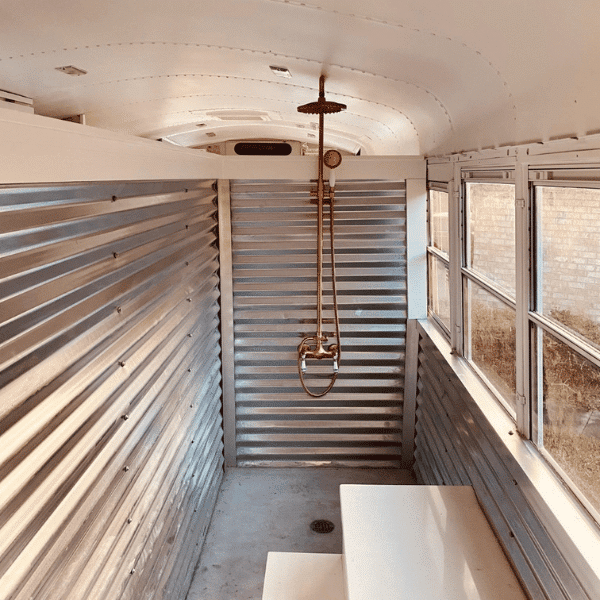
Bus life is incredible, but it’s not the filtered Instagram version. And I think that’s actually what makes it worth doing.
Every single thing on this list, the parking headaches, the fuel costs, the laundry runs, the weather chasing, all of it becomes manageable once you’ve lived through it once. That first month or two is the hardest part. You’re figuring out where to park, how your systems work, what breaks and how to fix it. But after that initial stretch, it just becomes your life. And honestly? I think most of us wouldn’t trade it.
The people who struggle aren’t the ones who face problems. Everybody faces problems. The ones who struggle are the ones who expected it to be easy the whole time. If you go in knowing it’s going to be messy and beautiful and frustrating and completely worth it, you’re already ahead of most people who start this journey.
You’re gonna have days where it’s hard. That’s just the deal. But you’ll figure it out, everybody does.