You’ve got your bus. Maybe you’ve even finished the conversion. But now you’re staring at this 35-foot yellow (or freshly painted) vehicle in your driveway and thinking: where on earth do I actually put this thing? You’re not alone — parking is the single most common worry people have about bus life, and for good reason. (See our guide on Where Do You Park a Skoolie Long-Term? for more on this.)
This guide covers every parking option available to you — RV parks, boondocking, parking lots, private land, buying property, city streets, seasonal spots, long-term solutions, and the legal stuff nobody wants to talk about but everybody needs to know.
The truth is, there are way more places to park a skoolie than most people realize. The challenge isn’t finding a spot — it’s knowing your options and having a plan. Some are free, some cost money, and some require a little creativity. But people park and live in converted buses every single day across this country, and once you learn the system, it gets a whole lot less scary.
—
Can You Park a Skoolie at RV Parks and Campgrounds?
This is usually the first question people ask, and the answer is: most of the time, yes. But not always. We’ve got a full article on RV park acceptance here, but let’s break down what you need to know.
I’ve Heard That Some Campgrounds Will Not Accept Anything Other Than Traditional Camper Trailers or RVs — Has This Been a Problem?
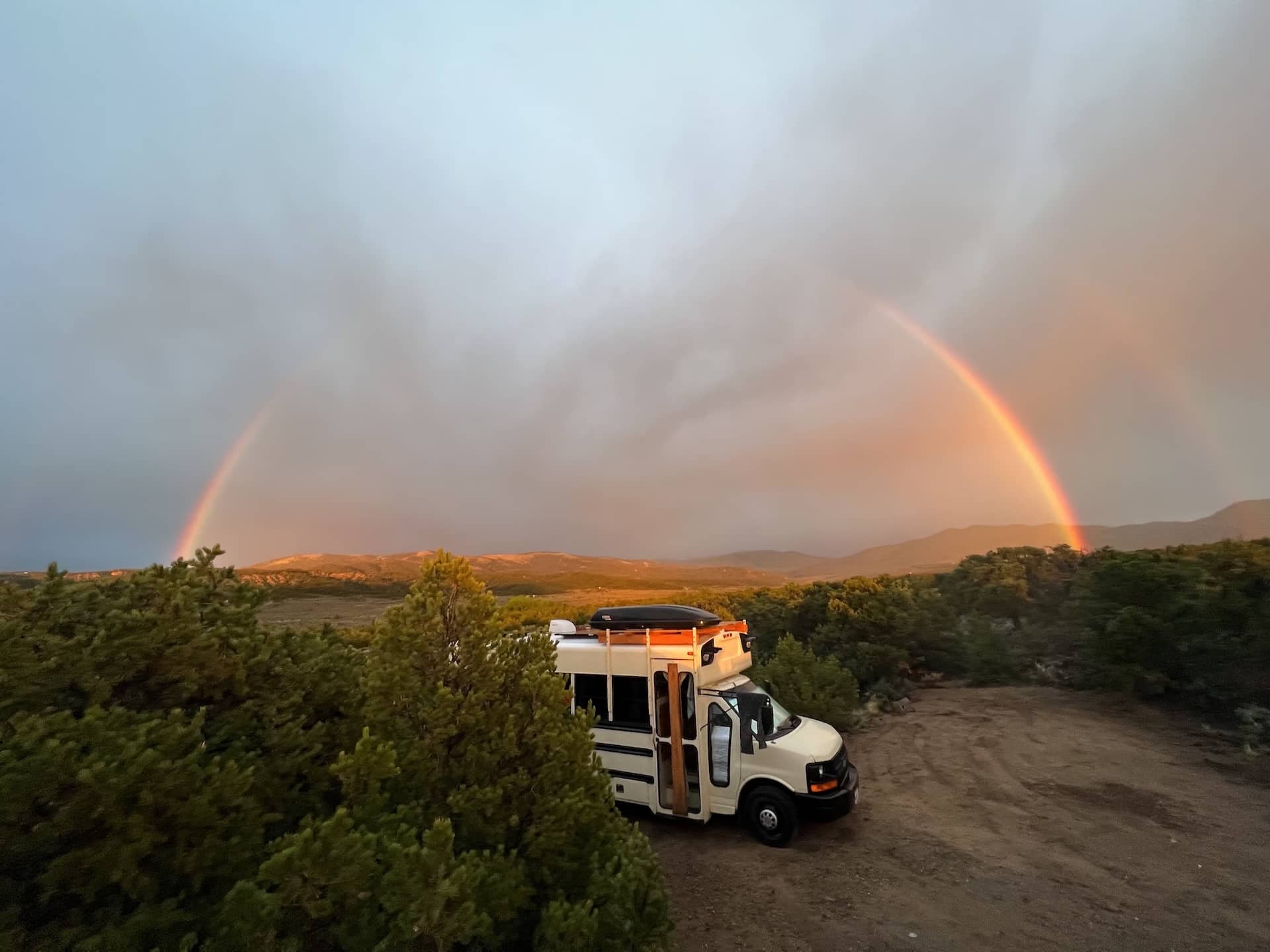
It can be, and let’s be real about it. Some RV parks — especially the nicer, resort-style ones — have policies against “converted vehicles” or anything that doesn’t look like a factory-built RV. They might not say it outright, but when you pull up in a bus, they’ll suddenly be “full.”
So what do you do about it? A few things help:
- Call ahead. Always call before showing up. Ask specifically: “Do you accept converted school buses?” This saves you a wasted trip.
- Photos help. If your conversion looks clean and professional, send them a picture. A lot of the hesitation comes from park managers imagining a beat-up yellow school bus, not a beautifully finished home on wheels.
- Registration matters. If your bus is registered as an RV (not a school bus), that helps. Some parks require RV registration as a condition of entry.
- Chains are easier. KOA, Thousand Trails, and other chain campgrounds tend to have standardized policies that are more skoolie-friendly than mom-and-pop parks.
- National and state parks are usually fine. They care about length limits, not what your vehicle looks like. If you fit in the spot, you’re in.
The reality? About 70-80% of RV parks will take a well-maintained, professionally-looking skoolie without any fuss. That other 20-30%? You don’t want to stay there anyway.
How Many RV Parks Allow This Style of Motor Coach?
Most do. The bigger issue is usually length, not style. A lot of parks have 35-foot or 40-foot length limits. If your bus plus any towed vehicle exceeds their limit, that’s what gets you turned away — not the fact that it’s a bus. Short bus owners have it easy here. You can fit into almost any park, no questions asked. (See our guide on Can You Park a Skoolie at an RV Park? for more on this.)
—
What About Boondocking and Free Camping?
If you want to save money — and who doesn’t — boondocking is where it’s at. This is camping on public land without hookups, and it’s completely free and completely legal in the right places. (See our guide on How to Find Free and Cheap Camping for Your Skoolie for more on this.)
Where Do They Park and Camp? Sounds Like Boondocking — Where Can You Actually Do That?
Here are the main options for free camping:
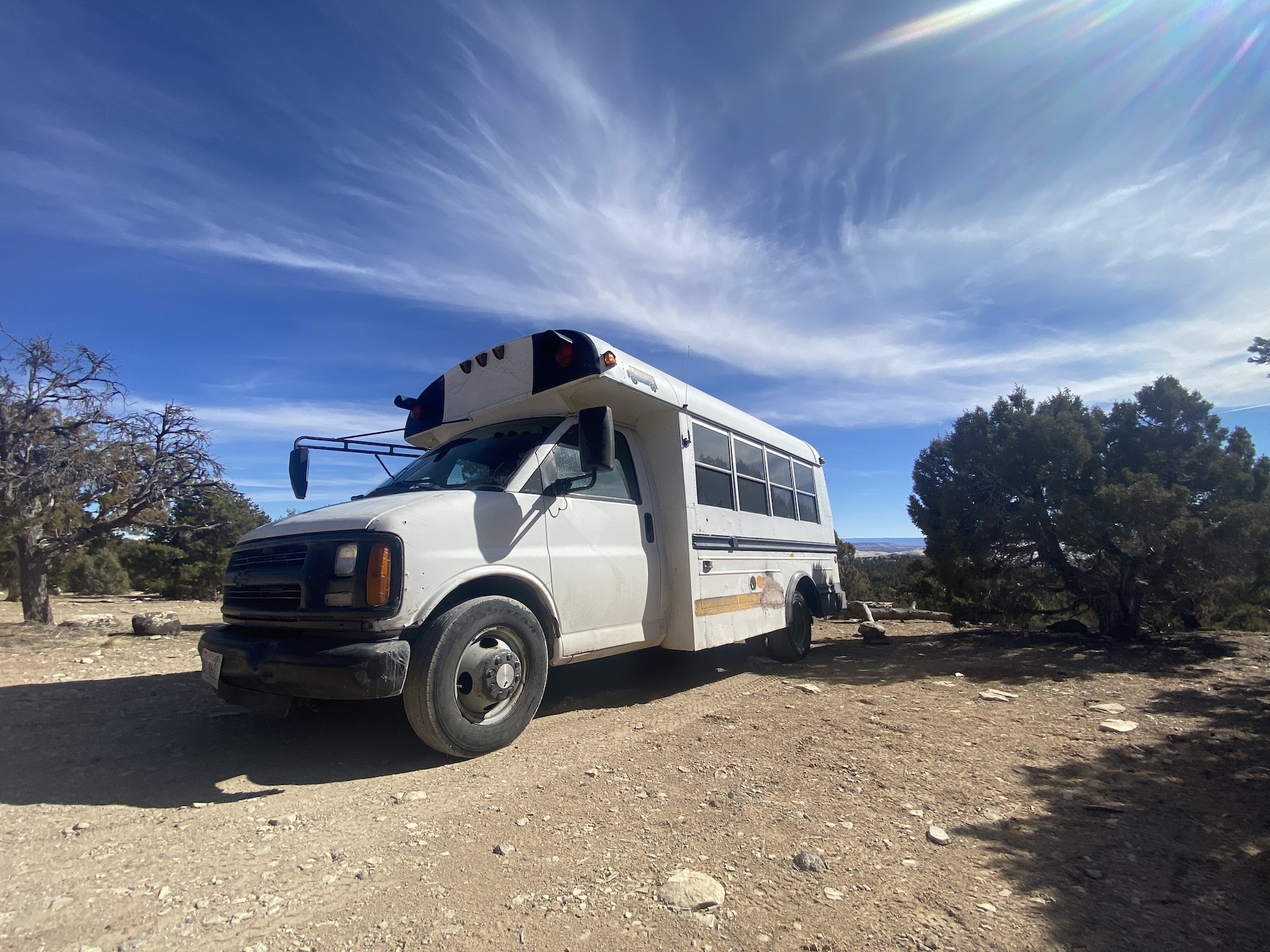
BLM Land (Bureau of Land Management) — This is the holy grail for boondockers. The BLM manages over 245 million acres of public land, mostly in the western US. You can camp for free on most BLM land for up to 14 days, then you need to move at least 25 miles. Arizona, Nevada, Utah, New Mexico, California — these states have massive amounts of BLM land.
National Forests — Most national forest land allows dispersed camping (that’s the official term for camping outside a designated campground). Same 14-day rule applies in most forests. You need to be a certain distance from water sources and roads, but the rules vary by forest.
Wildlife Management Areas — Some states allow camping on WMA land, though the rules are more restrictive and sometimes limited to hunting season.
Army Corps of Engineers land — The Corps manages land around reservoirs and waterways. Some of it is available for free or low-cost camping.
So where do you find these spots? Apps like FreeRoam, iOverlander, Campendium, and FreeCampsites.net are your best friends. People report free camping spots with GPS coordinates, reviews, and photos. You can filter for spots that accommodate larger vehicles. (See our guide on Best Apps and Tools for Full-Time Skoolie Travel for more on this.)
Now, here’s the thing about boondocking in a bus — size matters. A 40-foot bus isn’t getting down that narrow dirt road to a hidden BLM spot. Stick to established boondocking areas with paved or hard-packed access roads. The short bus crowd has a major advantage here.
How Long Do You Think You Can Survive Completely Off Grid?
That depends entirely on your setup. With a solid solar system (400-600 watts), a lithium battery bank, a 100-gallon fresh water tank, and a composting toilet, you could easily go 7-14 days without needing to plug in or fill up. Some people push it to three weeks or more.
The limiting factors are usually water and food storage. Electricity is basically unlimited with enough solar. But you’ll run out of drinking water long before you run out of power.
—
Can You Park at Walmart and Other Parking Lots?
How Easy Is It to Find a Place to Park That Thing? I Know Walmart Has Big Lots…
Ok, let’s talk about Walmart. The famous “Walmart overnight parking” thing is real — but it’s not as universal as the internet makes it sound.
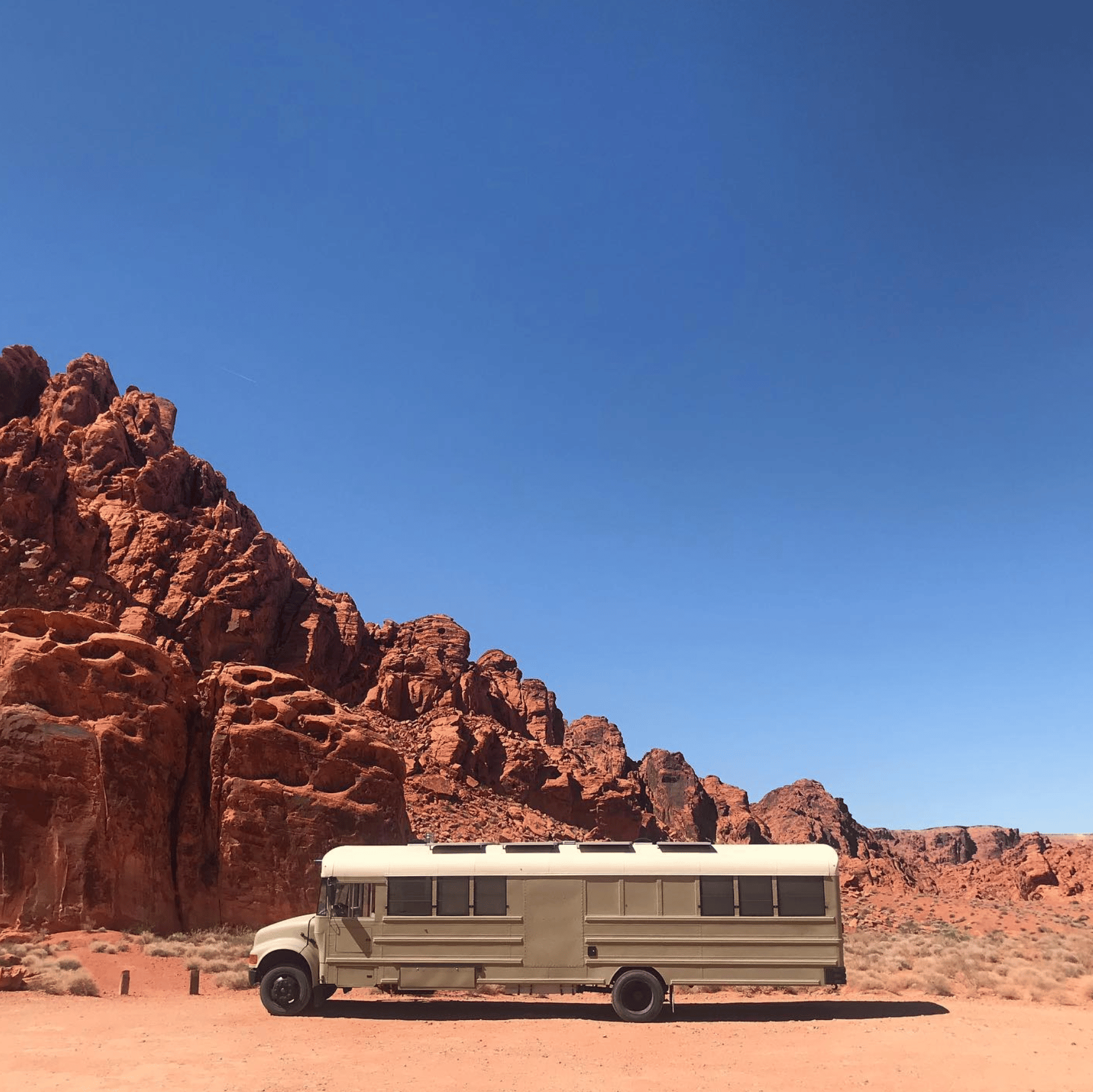
Many Walmarts do allow overnight parking in their lots. But it’s up to each individual store manager, and local ordinances can override Walmart’s corporate policy. Some cities have banned overnight parking in all commercial lots, which means even a willing Walmart can’t let you stay.
Here’s how to do it right:
- Go inside and ask the manager. Don’t just assume.
- Park in the back of the lot, away from the entrance.
- Keep a low profile — no chairs outside, no grill on the curb, no slideouts.
- Leave by morning. This isn’t a campsite.
- Buy something. It’s just polite.
Beyond Walmart, other parking lot options include:
- Cracker Barrel — historically RV-friendly, but call ahead
- Cabela’s / Bass Pro Shops — many allow overnight parking
- Casino parking lots — especially in Nevada and along the Gulf Coast
- Rest areas and truck stops — you can sleep at most rest areas for one night, and truck stops like Pilot/Flying J and Love’s are generally fine with overnight parking
But here’s the honest truth — sleeping in a parking lot in a 35-foot school bus isn’t stealth. Everyone sees you. It works in a pinch, but it’s not a long-term strategy. It’s a one-night solution between real destinations.
I Couldn’t Haunt Myself With Knowing I’m Sleeping at Walmart
Fair enough. A lot of people feel that way, and that’s completely valid. Parking lots are a tool in your toolbox, not a lifestyle. Use them when you need them — like when you’re driving cross-country and need a safe place to sleep between destinations. But don’t build your entire parking plan around them.
—
What About Private Land?
Where Do You Park Your Home Bus if Living Permanently?
Private land is the most reliable long-term solution, and it comes in several flavors.
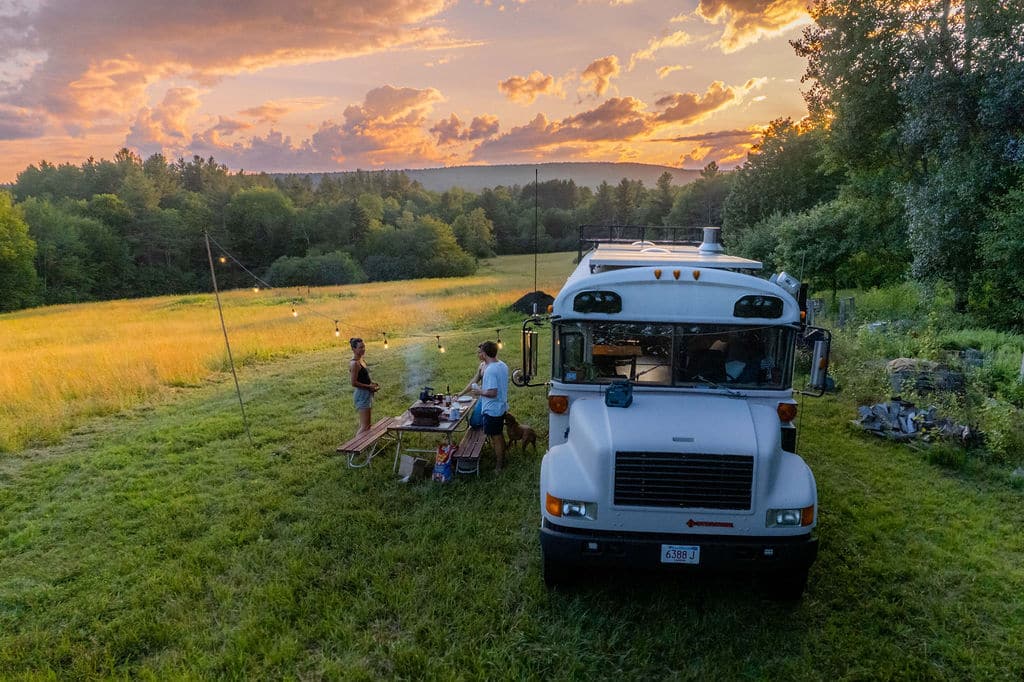
Renting a spot on someone’s property — This is more common than you’d think. Farmers, homesteaders, and rural property owners often have unused land and are happy to rent a spot to a bus dweller for $200-$500/month, sometimes with hookups included. Hipcamp, Harvest Hosts (for short stays), and even Craigslist are good places to find these arrangements.
Staying with friends or family — If you’ve got a friend or relative with some land, this is the cheapest option. Just make sure you’re clear on expectations and check local zoning first — some areas have rules about people living in vehicles on residential property.
Work exchange / caretaking — Some people park their bus on a property in exchange for work — property maintenance, farm help, house sitting. Workaway, WWOOF, and Caretaker.org list these kinds of opportunities.
I Bought a School Bus, Now I Don’t Know Where to Park It — My HOA Won’t Let Me Park It in My Driveway
Yeah, HOAs and bus conversions don’t mix. Most homeowners associations have strict rules about “commercial vehicles” or oversized vehicles in driveways. And a school bus — even a converted one — is going to trigger those rules.
Your options:
- Storage lots — $50-$200/month depending on location. RV/boat storage facilities are everywhere.
- A friend’s property — outside the HOA jurisdiction
- Rural land rental — cheaper than you’d think if you look outside the suburbs
- Industrial areas — some industrial zones allow vehicle storage with a monthly lease
This is worth figuring out BEFORE you buy your bus. Nothing worse than bringing home a bus and having nowhere to put it.
—
Should You Buy Land for Your Skoolie?
Where Can I Put a Skoolie or Tiny House? I Can’t Find One Place to Put My RV
Buying land is the ultimate solution for a lot of people, and it might be more affordable than you think.
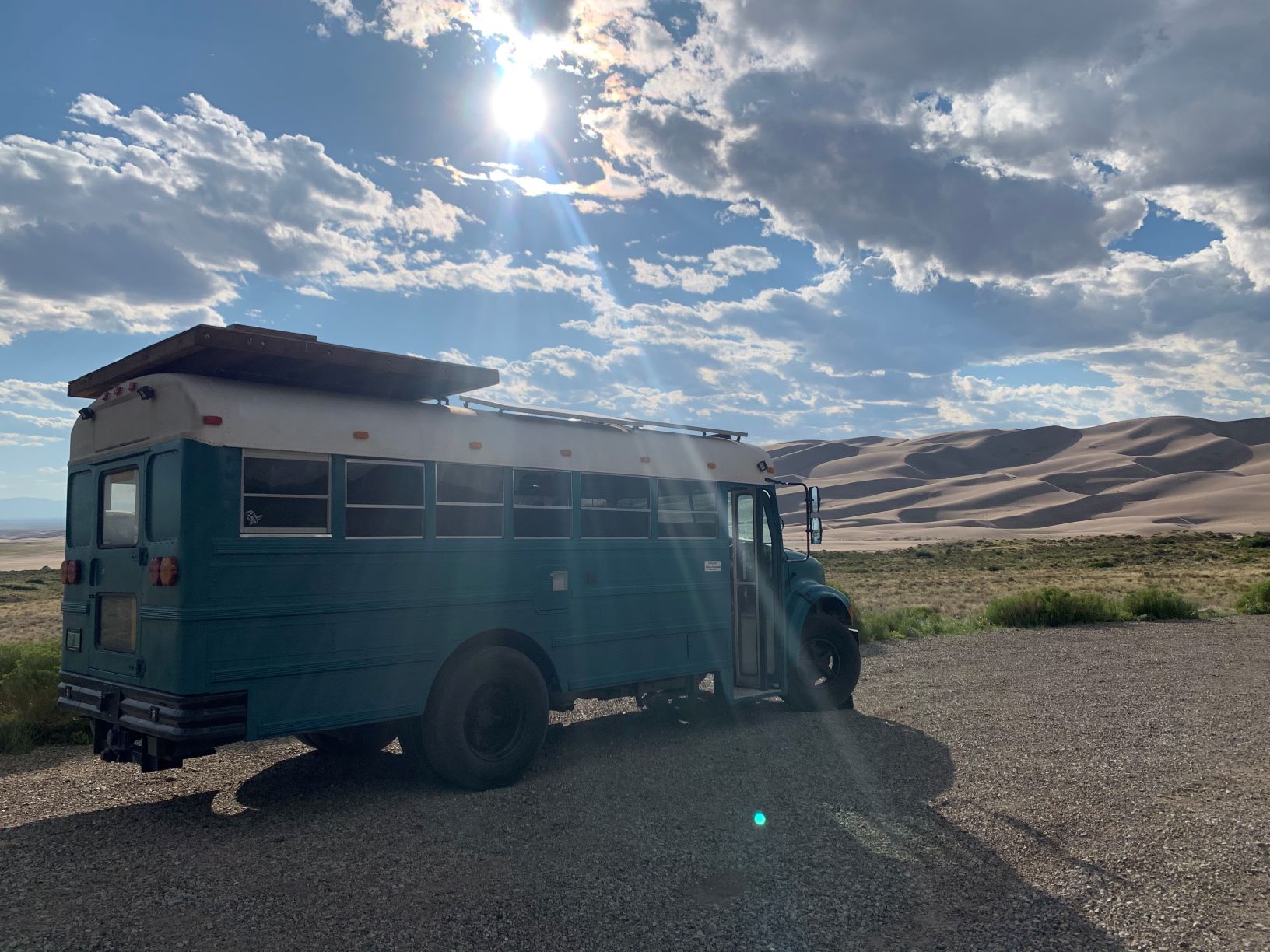
Raw, unimproved land in rural areas can be found for $2,000-$10,000 per acre in many states. Texas, New Mexico, Arizona, Tennessee, West Virginia, and parts of the Ozarks have some of the cheapest land in the country.
But here’s what you need to check before you buy:
- Zoning — Does the county allow people to live in an RV or vehicle on the property? Some do, some don’t. Some require you to be “actively building a home” while living in your vehicle. Check with the county planning department before you hand over money. For more on this, read our guide on whether you can legally live in a converted school bus.
- Utilities access — Is there water? Electricity? If not, you’ll need a well ($5,000-$15,000) or water delivery, and you’ll rely on solar. Off-grid is possible, but plan for it.
- Road access — Can your bus physically get to the land? A beautiful five-acre lot doesn’t help if the access road is a muddy two-track that’ll swallow your rear wheels.
- Covenants and restrictions — Even without an HOA, some land has deed restrictions. Read the fine print.
- Septic requirements — Some counties require a septic system if anyone is living on the property, even in a vehicle. This can cost $5,000-$15,000 to install.
So is it worth it? For a lot of people, absolutely. Owning your own spot means no monthly rent, no worrying about getting kicked out, and a home base you can always return to. Even if you travel most of the year, having a piece of land to come back to gives you incredible peace of mind.
—
Can You Park on City Streets?
Where Do You Park Something That Big Each Night — Can You Just Park It Along Any Street?
Technically, in many cities, you can park on a public street overnight as long as you’re following parking regulations — no expired meters, not blocking driveways, not exceeding time limits. But practically? It’s complicated. (See our guide on Can You Park a Skoolie in a Regular Parking Lot? for more on this.)
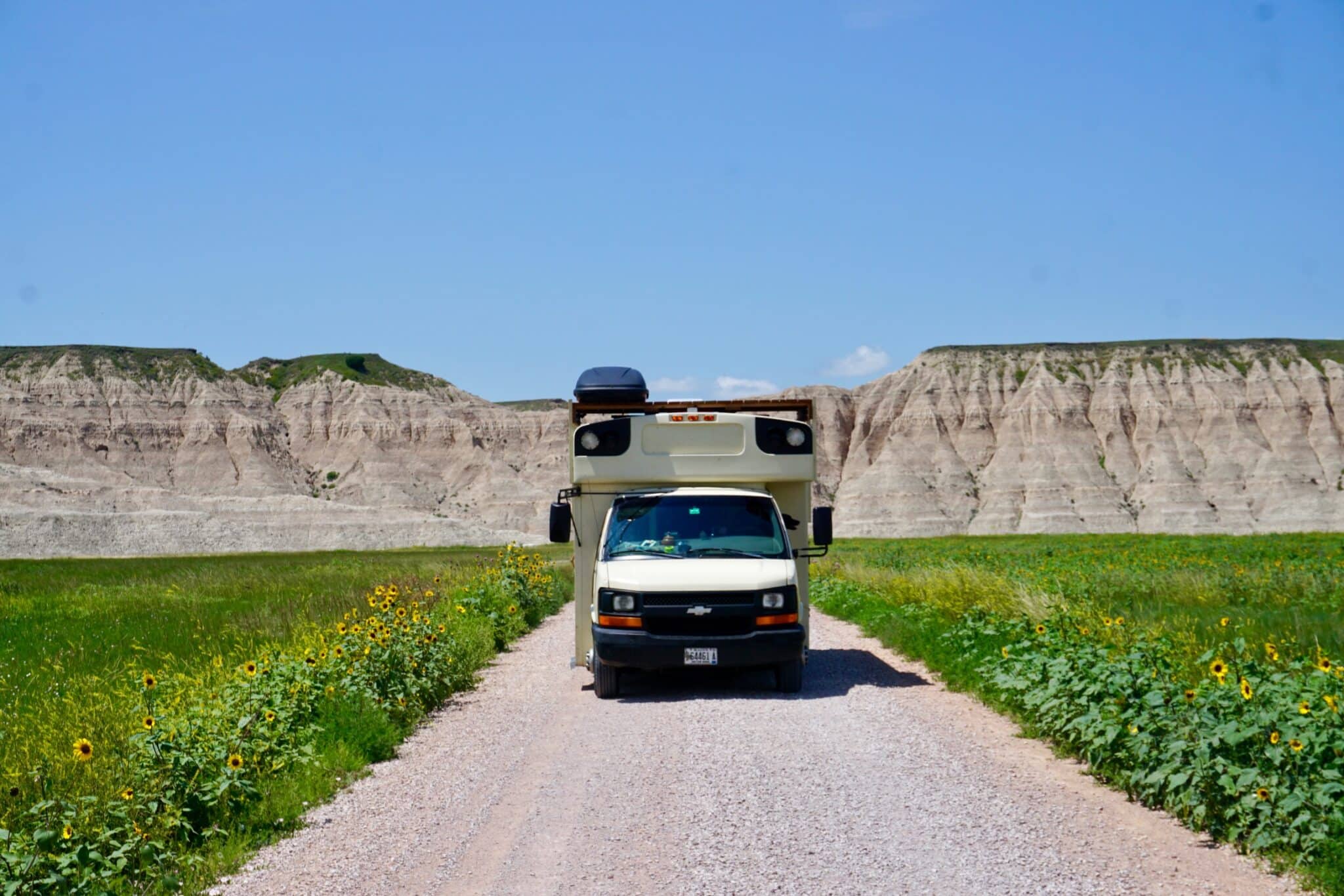
Many cities have overnight parking bans for oversized vehicles (usually anything over 22 feet or over 10,000 pounds). Some cities ban sleeping in vehicles entirely. And even in cities where it’s technically legal, neighbors will call the police if a school bus parks on their street and someone appears to be living in it.
You Mentioned Living in a Town — Have You Had Anybody Complain or Oppose the Fact That You’re Living in a Bus on the Street?
This is a real issue, and it’s one of the biggest challenges for urban bus dwellers. Even when you’re not breaking any laws, complaints from residents can result in police contact, parking tickets, or being asked to move.
Here’s how people handle it:
- Move regularly. Don’t park in the same spot more than one or two nights. Rotate between several spots.
- Keep it clean. No trash, no mess, no signs of “living” visible from outside.
- Be friendly. If neighbors approach you, be honest and polite. Most people are more curious than hostile.
- Know the local laws. If you’re legal, be prepared to calmly explain that.
- Have a backup plan. Always know where your next spot is if you need to move quickly.
Alright, let’s be honest — street parking in a bus is stressful for most people. If you’re doing it because you have to, there are ways to make it work. But if you have other options, you’ll sleep better knowing you’re in a spot where you’re welcome.
—
Where Do You Park During the Build Phase?
Does Anyone Know of a Place I Can Park My Bus While I Convert It?
This is the question nobody thinks about until they own a bus and realize they need somewhere to tear it apart for the next 6-12 months. You need space, and you need permission.
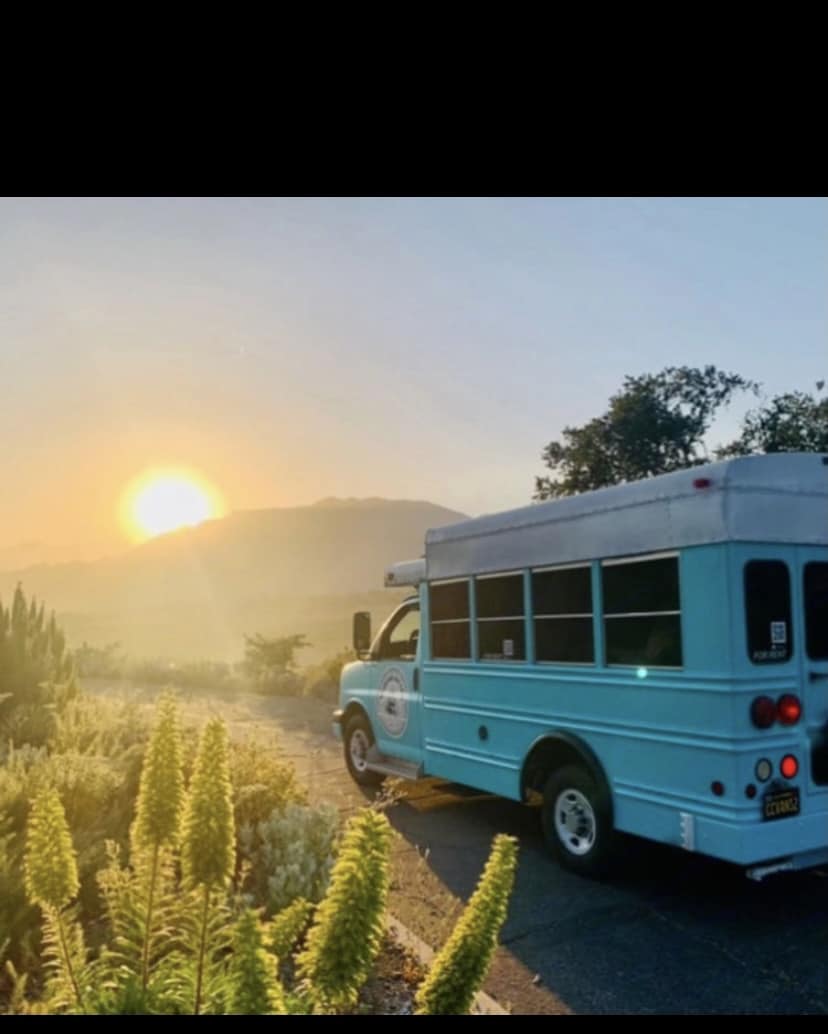
Options:
- Your own property — if you have a driveway or yard big enough. Check HOA rules and local ordinances.
- A friend or family member’s property — the most common solution. Offer to pay a little rent or cover the electric bill.
- Renting a spot — storage yards, industrial lots, or rural properties. Look for somewhere with power access so you can run tools.
- Maker spaces / shared workshops — some cities have maker spaces that rent out covered work bays. Expensive but ideal.
- Church or community lots — sounds odd, but some churches will let you use a corner of their parking lot if you ask nicely and agree to keep it tidy.
The most important thing: figure this out BEFORE you buy your bus. Seriously. You need a place to work on it for months, with access to electricity, some weather protection (ideally), and neighbors who won’t complain about power tools on Saturday mornings.
—
What About Seasonal and Long-Term Parking?
Where Do You Park a Skoolie Long-Term?
For long-term parking solutions, check out our detailed guide on long-term skoolie parking. But here’s the overview.
The most popular long-term strategies:
- Monthly RV parks — These are different from nightly campgrounds. Monthly rates are usually $400-$800/month and include full hookups (water, electric, sewer). Some parks in cheaper areas go as low as $250/month. This is the most “normal” way to park long-term.
- Private land (rent or own) — We covered this above. For long-term living, this is the most cost-effective option.
- Workamping — Work at a campground in exchange for a free or discounted site. Amazon CamperForce, campground host positions, and seasonal resort work all fall into this category. You get a place to park, hookups, and sometimes a paycheck on top of it.
- Intentional communities — There are communities specifically for bus and van dwellers popping up around the country. They offer monthly spots, shared amenities, and a built-in community of people who get it.
- Seasonal migration — Many full-timers follow the weather. Winter in the South (Arizona, Texas, Florida), summer in the North (Colorado, Pacific Northwest, Great Lakes). This pattern solves a lot of problems — you avoid extreme weather, and seasonal spots are often cheaper.
How Difficult Was It to Find Places to Stay Overnight?
Honestly? It gets easier the longer you do it. The first few weeks feel like chaos — you don’t know the apps, you don’t know the tricks, and every parking decision feels like a gamble. But within a month or two, you develop a rhythm. You learn which apps to trust (FreeRoam, iOverlander, Campendium), which chains are RV-friendly, and how to spot a good boondocking spot from the road.
The key is planning one or two days ahead. Don’t wait until you’re exhausted at 9 PM to figure out where you’re sleeping. Look at your route in the morning, identify two or three options for the evening, and have a backup.
—
What About the Legal Side of Parking?
Where Can You Possibly Live in That Thing Legally? You Can’t Just Park It Wherever You Want
You’re right — you can’t. And this is the part nobody wants to deal with, but it matters.
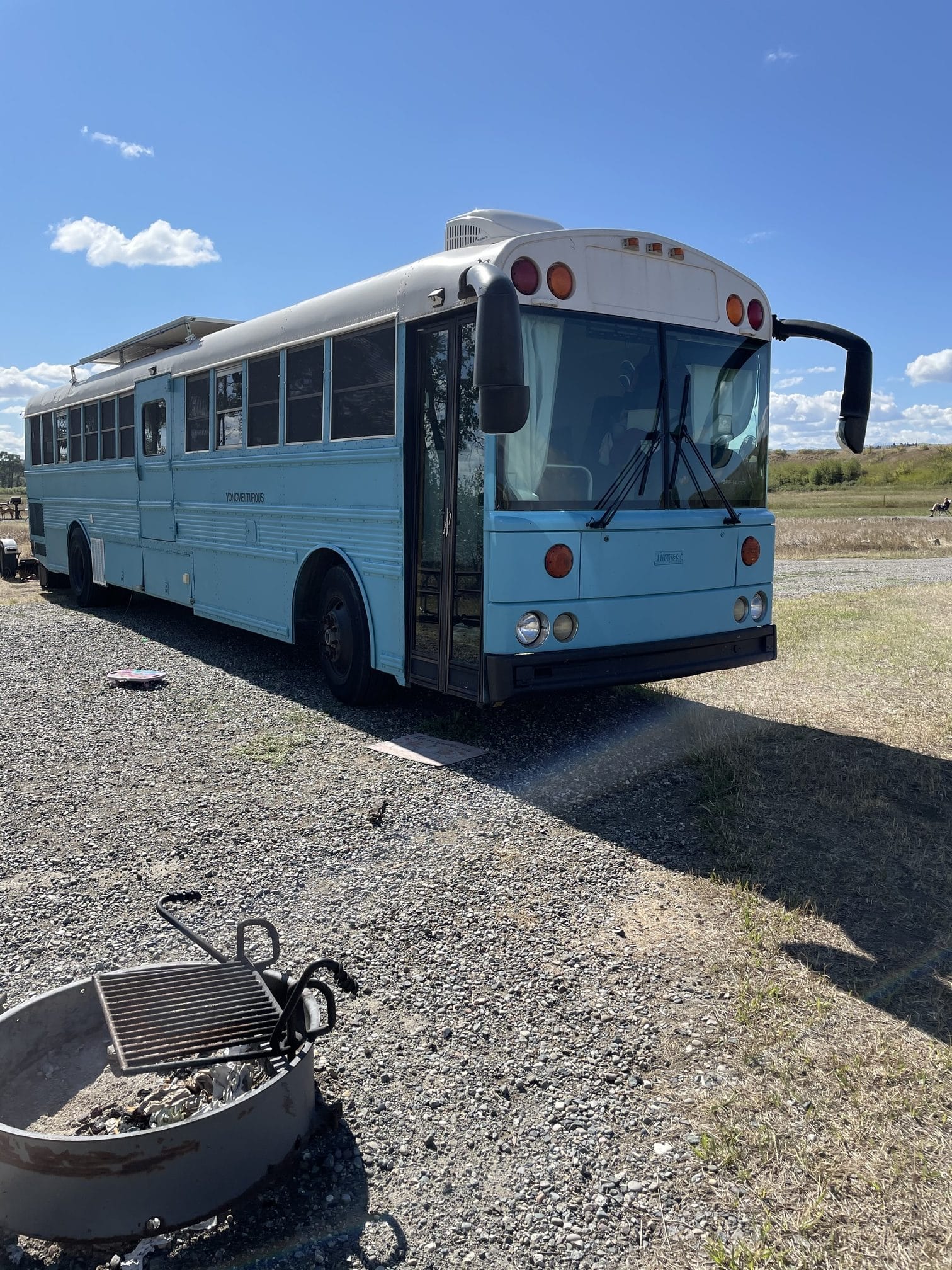
The legality of living in a vehicle varies wildly by state, county, and city. Some places are extremely friendly to vehicle dwellers. Others have made it essentially illegal.
Here’s what you need to know:
Federal land — Generally legal to camp on BLM, national forest, and other public land for up to 14 days. No issues.
State and local — This is where it gets messy. Some cities ban sleeping in vehicles entirely. Others allow it in certain zones. Others don’t have any specific laws about it. You need to check the local ordinances for wherever you plan to spend time.
Friendly states for bus life: Texas, Arizona, New Mexico, Nevada, Oregon, Florida — these states generally have more relaxed attitudes toward vehicle dwelling, especially in rural areas.
Harder states: California (varies hugely by city), New York, many northeastern states with strict zoning.
So Where Do You Park for a Month Legally? Or for a Year?
For a month: monthly RV parks, rented land, or boondocking with the 14-day move rule (rotate between two or three BLM spots).
For a year: you need a more permanent arrangement. Own or rent land, long-term RV park lease, or a combination of seasonal spots. Some people establish a “home base” on rented or owned land and travel from there throughout the year.
The important thing is having a legal domicile address — a state where you’re “officially” a resident. South Dakota, Texas, and Florida are the most popular domicile states for full-time travelers because of favorable tax laws (no state income tax), easy vehicle registration, and mail forwarding services designed for nomads.
—
How Do You Park for Daily Errands?
How Do They Park at Regular Places Like the Grocery Store or Movie Theater?
This one sounds silly until you own a 35-foot bus and need to buy groceries. So how do you manage daily parking?
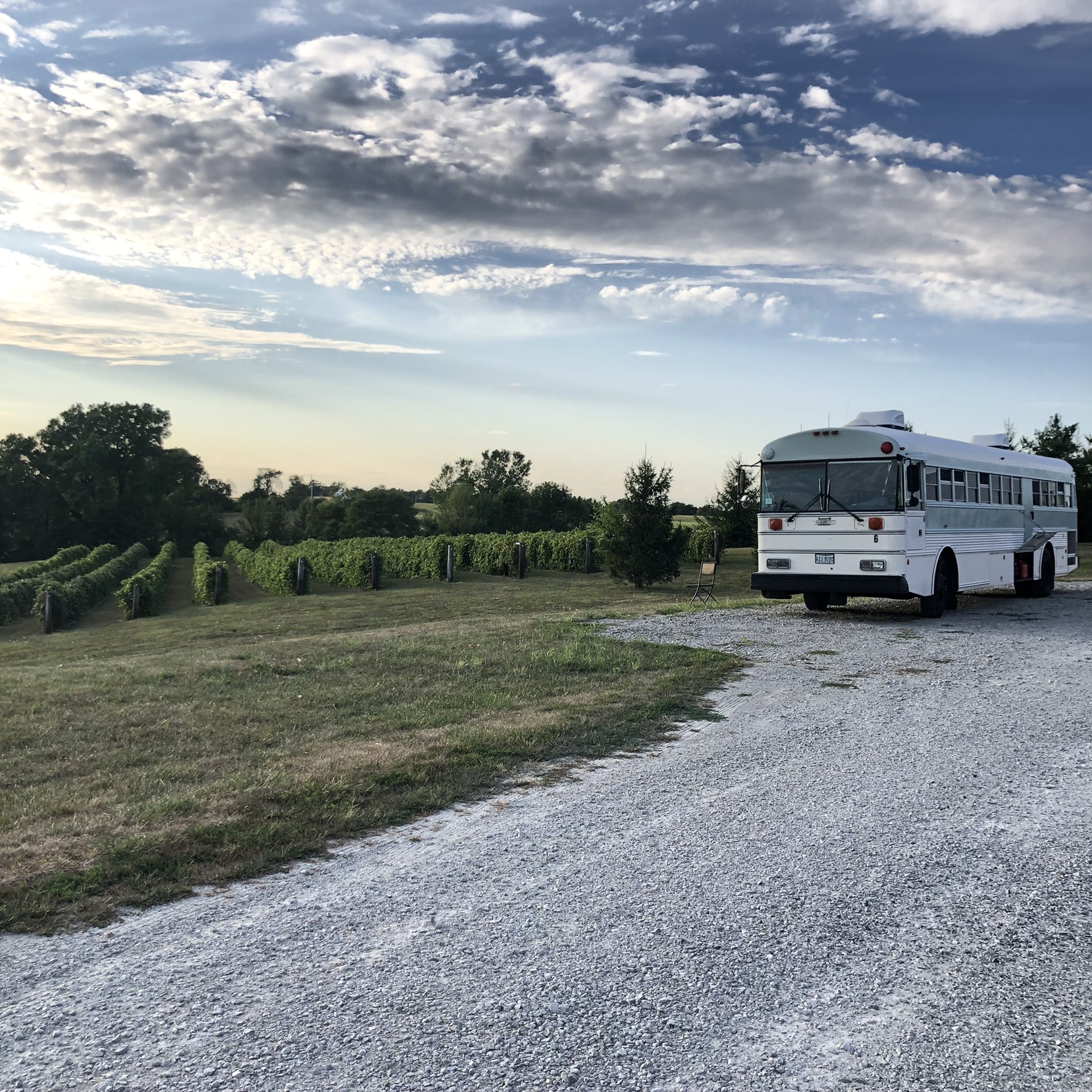
- Park in the back of the lot where there’s more space and fewer cars to worry about
- Look for pull-through spots so you don’t have to back up
- Shop during off-peak hours when lots are emptier
- Tow a small car or scooter — many full-timers tow a “dinghy” vehicle for errands. It makes daily life dramatically easier
- Learn to back up confidently — practice in empty lots until it’s second nature
Short bus owners win here again. A 24-foot bus fits in normal parking spots. A 40-footer? You’re parking across three spaces in the back of the lot, and that’s just how it goes.
—
Putting It All Together
Look, parking a skoolie seems overwhelming when you’re looking at it from the outside. You see all the potential problems — RV parks that won’t take you, cities with bans, nowhere to put the thing during the build. And yeah, those are real challenges.
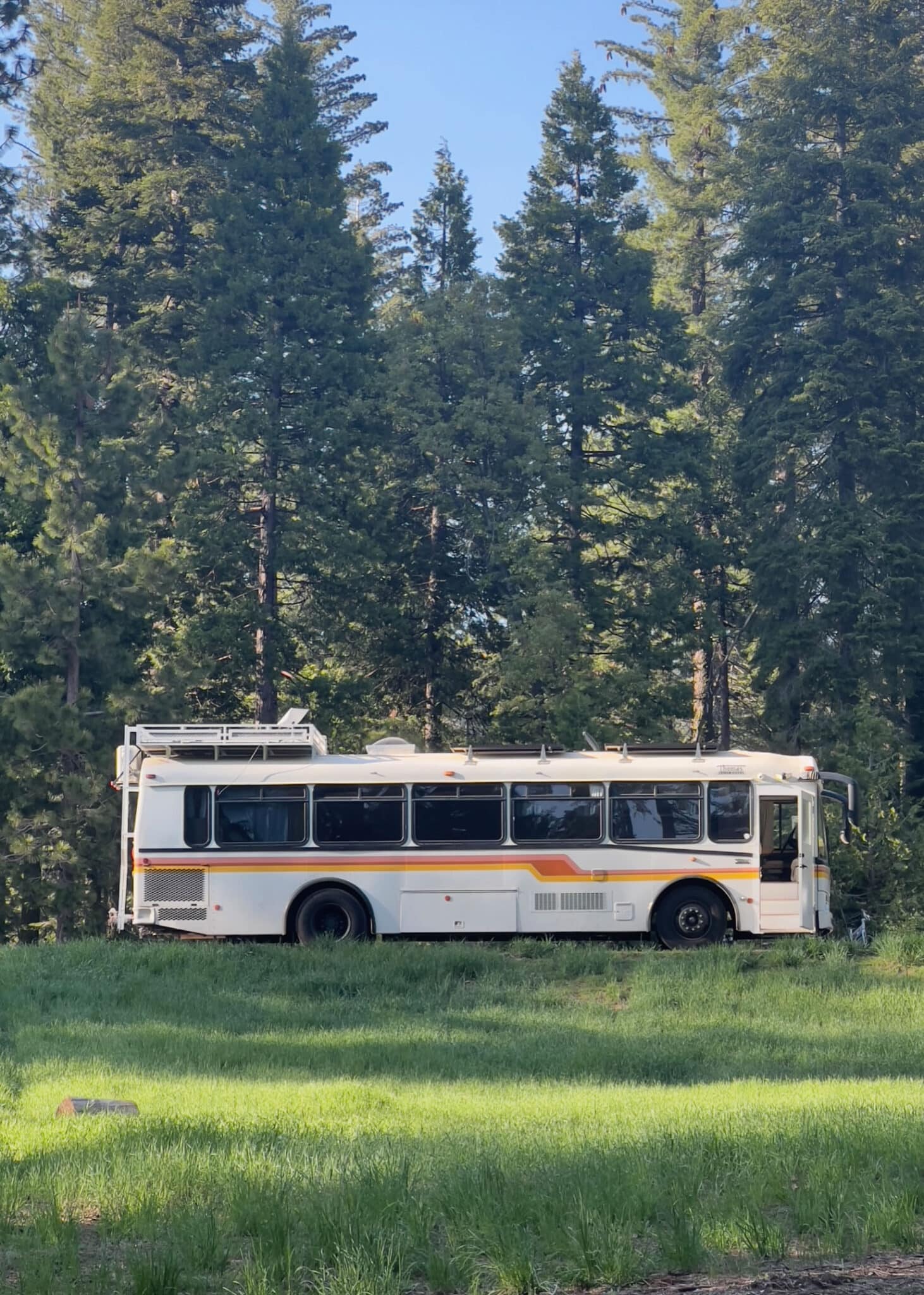
But here’s what people don’t tell you: parking gets figured out. Every single person living in a bus right now had the same fears you do, and they worked it out. Some use RV parks. Some boondock on BLM land for free. Some rent a corner of a farmer’s field for $200 a month. Some bought a cheap piece of land in the desert and have a permanent home base.
Here’s a quick summary of your options:
- RV parks/campgrounds — $30-80/night, $250-800/month. Most accept skoolies.
- Boondocking (BLM, national forest) — Free. 14-day limit. Mostly western US.
- Walmart/parking lots — Free. One night only. Emergency use.
- Private land (rent) — $200-500/month. Best long-term value.
- Buy land — $2,000-10,000/acre (rural). Your permanent home base.
- Street parking — Free but risky. Know local laws.
- Workamping — Free site in exchange for work.
- Seasonal migration — Follow the weather, rotate spots.
The people who struggle with parking are the ones who wait until the last minute to figure it out. The people who thrive are the ones who plan ahead, know their options, and stay flexible. You don’t need to have every night planned for the next year. You just need to know what’s available and be willing to adapt.
You’re going to find your spots. Some will be incredible — waking up on BLM land in the Arizona desert with nobody for miles. Some will be perfectly fine — a monthly RV park with full hookups and decent wifi. And some will be a Walmart parking lot at 11 PM because you pushed too far and just needed somewhere to crash. All of those are fine. That’s the life. And you’re going to do great at it.