
When I first started looking into getting my skoolie, laundry was one of those things that seemed like a bigger problem than it actually is. I mean, you’re living in basically a very small apartment on wheels. Where are you supposed to wash your clothes? But once I started digging into how people actually handle it, I realized there’s way more flexibility than I thought. (See our guide on How Do You Get a Mailing Address Living in a Bus? for more on this.)
The honest answer is that most people living in a bus do laundry at laundromats, wash by hand in buckets when they’re off-grid, or sometimes install a compact washer-dryer combo if they have the space and power to support it. It’s not complicated, just different from how you probably do it at home right now.
Where in the World Do You Wash Your Clothes?
This is the first question I kept seeing pop up in the bus community, and honestly the answer depends a lot on where you’re parked and how often you move. When I was looking into the logistical side of this, I found that most full-time bus livers do laundry at laundromats every two to three weeks. If you’re stationary for a bit, it’s not a huge deal to load up a bag and spend a couple hours there.
Now, some people have told me they actually use laundromats as a social thing. You park somewhere, knock out your laundry, and catch up on podcasts or chat with other people there. One guy I talked to said he deliberately planned his route around towns with good laundromats because it forced him to slow down and actually settle in a place for a few days. That part doesn’t get talked about much, but it’s real.
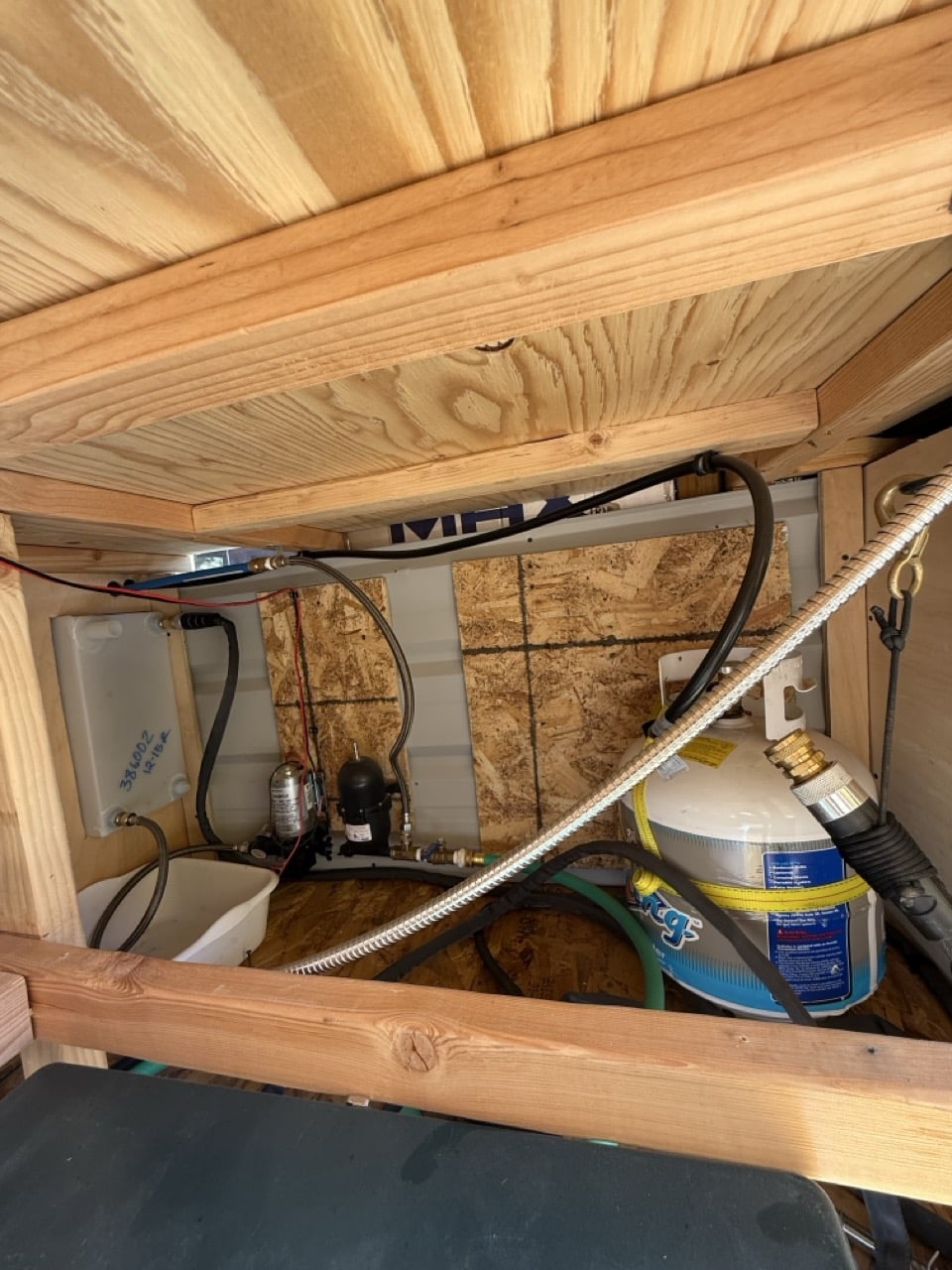
If you’re traveling constantly or you really don’t want to mess with laundromats, some folks use hand washing in buckets. You fill a bucket with water, toss your clothes in with some detergent, stomp on them for a while, rinse them out, and hang them to dry. It’s not fast, but it works. And if you’ve got a good water system in your bus, it’s honestly not that bad. (See our guide on How Do You Get Water in a Converted Bus? for more on this.)
No Washing Machine?
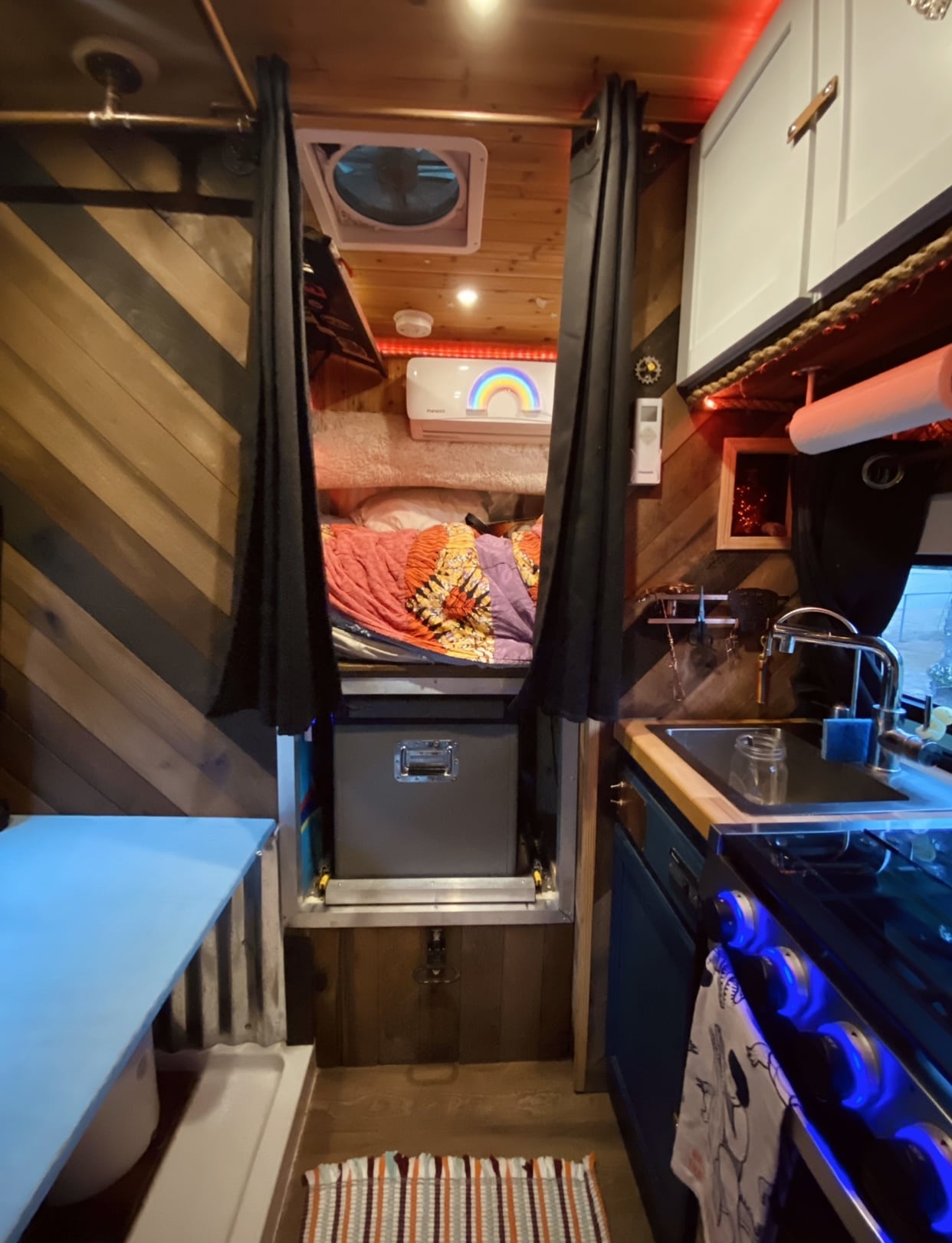
The question I kept seeing was basically “Wait, do you just never have a washing machine?” And yeah, most people don’t. But here’s where it gets interesting. Some buses do have space for a compact washer or even a washer-dryer combo, and I’ve seen a few people pull it off. The catch is power consumption and hookups. You need solid electrical infrastructure to run one of these things, and if you’re not plugged into shore power at an RV park, you’re looking at draining your battery pretty fast. (See our guide on 15 Things Nobody Tells You About Living in a School Bus for more on this.)
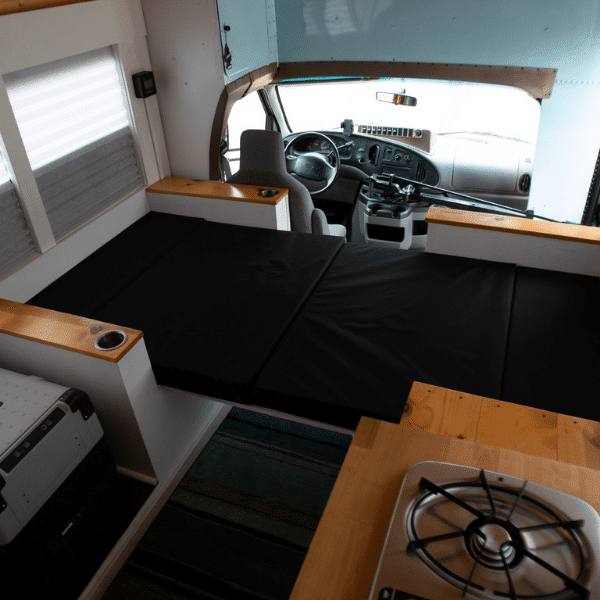
I read about a couple who installed a small combo unit in their transit bus build. They had to size their solar and battery system specifically to handle laundry day, which basically meant oversizing everything else to cover occasional spike loads. For them it made sense because they had a larger bus with room and power budget to spare. For most people, it’s just not worth the complexity.
The other option I’ve seen more often is something like a small manual washing machine or one of those portable hand-crank washers. They’re not super common, but they exist. They do the job without needing electricity, and if you’re okay with a little extra work, they save you the trip to town. That said, most people I’ve talked to stick with laundromats because it’s simpler and honestly less of a hassle than hand washing or trying to jury-rig some compact machine solution.
With 4 Kids Where Is the Washer/Dryer?
I saw this question come up a lot from families considering bus life, and it makes sense. If you’ve got multiple kids, laundry volume goes from manageable to absolutely ridiculous. But here’s the thing, families are actually doing this, and they handle it a few different ways.
Some families do larger laundry loads less frequently. Instead of everyday clothes flying around, they stick to a tighter rotation and wash everything in one or two big trips to a laundromat. I talked to one family with three kids who basically dedicated one full day every week and a half to laundry. They’d load up the bus with all the clothes, hit the laundromat, stay for a few hours while everything ran, and stock back up. They said once you accept that laundry is a “laundromat day” activity rather than something that happens at home, it gets easier.
Other families with space and power have actually gone the washer route. One family I read about had a bigger sprinter-style bus conversion with a solid solar setup. They installed a compact top-load washer and line-dried everything outside or in the bus when weather permitted. This is more the exception than the rule, but it’s possible if you prioritize it during the build phase. The key is planning for it from the start, not trying to squeeze it in later.
The truth is, laundry with kids on a bus is doable but requires more planning and rhythm than doing it casually at home. Some families find that once they lock into a routine, it’s actually less stressful than managing laundry across multiple rooms in a house. But you do have to be intentional about it.
Related: Can You Legally Live in a Converted School Bus?
How Do You Wash Your Hair?
This one surprised me when I kept seeing it, but actually it’s a great question. Living in a bus with limited water means you have to think about how much water you’re using for everything, including showers and hair washing. If you’ve got a good water tank and a solid grey water system though, it’s basically the same as anywhere else. (See our guide on How Do You Get Internet and WiFi Living in a Bus? for more on this.)
Most buses have a small shower setup or at minimum a shower stall that you can run off your water system. If you’re getting water from your tank, you’re washing your hair the normal way. Now, some people do opt for dry shampoo or less-frequent washing to stretch water supplies when they’re off-grid or running low on their tank. I’ve read a few people talk about switching to dry shampoo every other wash or using just a rinse more often than a full lather situation.
If you’ve got water concerns or you’re in a really dry climate where water is precious, some people keep some of those water-saving shower heads or even use camping showers. But honestly, I didn’t find this to be as big a deal as I expected. Once your water system is set up right, hair washing in a bus is not fundamentally different from anywhere else. It’s just one more thing that uses water, and if you’ve built your system to support showers, it’s already accounted for.
So here’s where I landed after digging into this. Laundry in a bus is not some insurmountable problem. Most people use laundromats and don’t stress about it. Some hand wash. A few have actual machines if their bus and power situation allows it. Families with kids adapt the same way any family on the road does, they just get more intentional about timing and routine. It’s one of those things that sounds complicated before you start living it, but once you get into a rhythm, it becomes normal pretty quick. Check out our guide on bus life with kids if you’re thinking about this with a family, and if you want to know how your water system fits into daily life, we’ve got the full breakdown on skoolie plumbing and water systems. That’s basically the whole story on it.
vtmqc7