
How Much Does It Cost to Register a Converted School Bus? (See our guide on Can You Get Insurance for a Converted School Bus? for more on this.)
When I first started looking into getting my skoolie, this was one of the first questions I had to figure out. Registration costs can vary wildly from state to state, and I kept seeing people in forums talking about their experiences like they’d gotten completely different answers. So I decided to dig into it myself.
The short answer is you’re looking at anywhere from $150 to $800 for the registration process itself, depending on your state and the weight of your bus, but that’s not the whole cost story. You’ll also need inspection fees, title transfer fees, and potentially weight certification, which can easily add another $100 to $500 to the total. Most people end up spending between $300 and $1,200 total to get their bus legally registered once it’s converted. But here’s where it gets complicated — the process is different in every state, and some states make it way easier than others.
How Were You Able to Get the Title Restructured to Register It as an RV?
This is the thing that kept tripping me up when I was researching. When you first buy a school bus, it’s titled as a commercial vehicle. You can’t just walk into the DMV and ask them to make it an RV — you have to go through a specific process, and it varies by state.
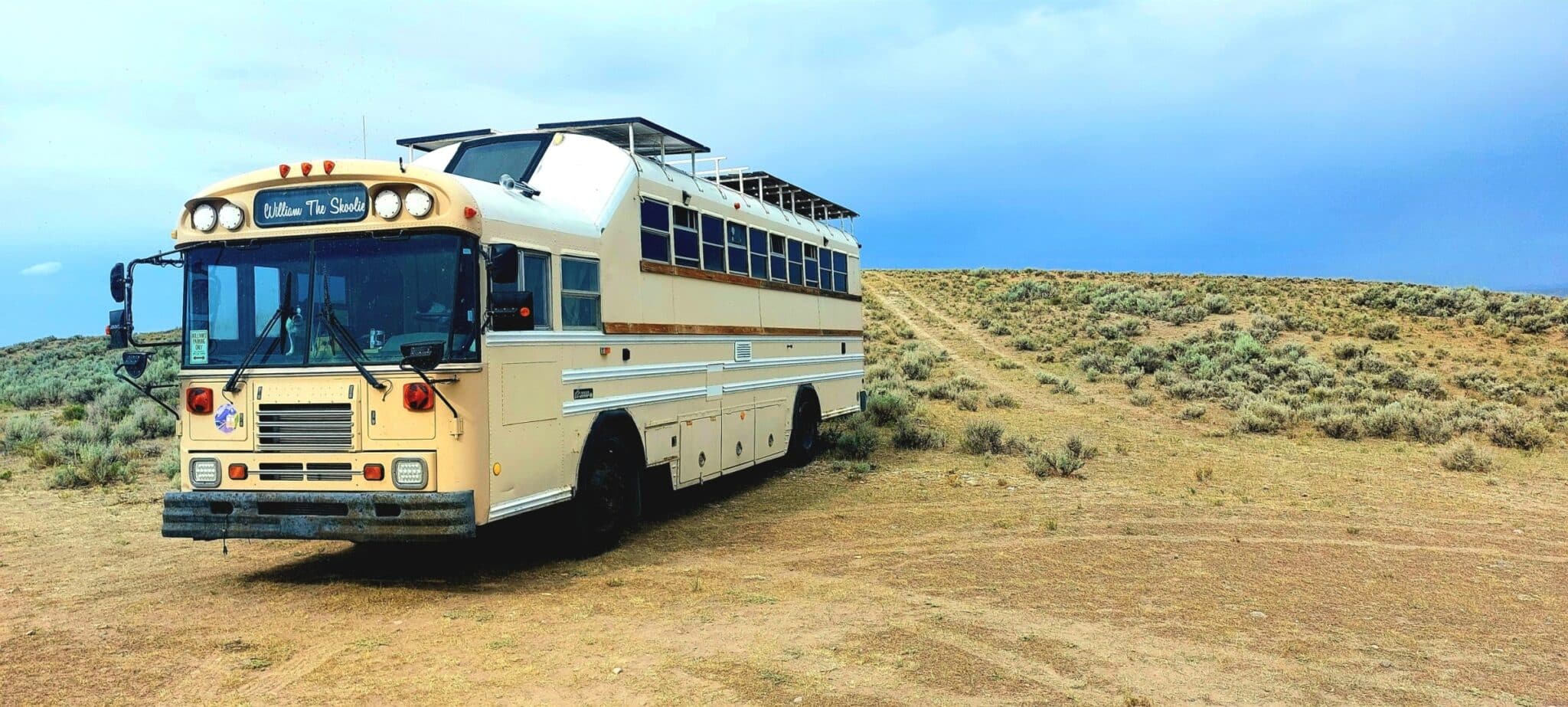
What I learned is that in most states, you need to remove the passenger seats before the state will even let you re-title the bus. That’s the key thing. The registration people look at your bus, see it has no seats for passengers anymore, and then they’ll re-title it as a motorhome or recreational vehicle instead of a bus. The fee to re-title usually runs between $50 and $150 depending on where you live, but some states charge more. (See our guide on Do You Need a CDL to Drive a Skoolie? for more on this.)
I talked to a guy at a truck stop once who’d converted a transit bus, and he said his state made him fill out like five different forms before they’d touch the title. He said the whole process took him two weeks of going back and forth. Other people I’ve read about just walked in, filled out one form, paid the fee, and walked out with a new title. So yeah, it really depends.
The other thing about titling is that some states will re-title it as an RV, and some will re-title it as a motorhome, and some will put it in a category that’s basically “custom vehicle.” It all matters because it affects your insurance, your registration fees going forward, and how you can legally use it. (See our guide on Can You Legally Live in a Converted School Bus? for more on this.)
Can Someone Tell Me What It Would Cost to Plate the Bus?
The registration plate cost is probably the most straightforward part of this whole thing, but it still varies. I’m talking about the actual license plate and the registration fee to keep it current. When you re-register your bus as an RV or motorhome, the yearly registration fee is usually cheaper than a commercial vehicle registration. (See our guide on Is a Skoolie Cheaper Than Buying an RV? for more on this.)
Most people I’ve read about pay between $100 and $300 a year for registration once it’s converted. Some states are way more expensive — I’ve seen people in California or New York mention paying closer to $400 or $500 annually. Other states are basically free if you register it as a motorhome. The thing is, your bus gets a new registration based on its new vehicle class, and that determines the fee. It’s not something you can negotiate or get around.
When you first register it, you’ll pay a one-time initial registration fee plus the first year’s fee, which is usually around $150 to $300 total depending on your state. After that it’s just yearly renewals, which are typically cheaper. Some states also charge extra if your bus is a certain weight or size, so heavier buses sometimes have higher registration fees than lighter ones.
Do You Still Have to Pay House Tax?
I’ll be honest, this is the question that had me confused the most when I was starting out. People kept bringing up property tax like it was this big scary thing, and I wasn’t sure if it applied to converted buses or not.
Here’s what I found out. In most states, you don’t pay property tax on a bus registered as an RV or motorhome because it’s classified as a vehicle, not a dwelling. Property taxes apply to real estate — houses on land. Your bus is mobile, so it’s treated like a car or truck for tax purposes. That means no property tax. Now, if you park your bus permanently on land you own and set it up like it’s your primary residence on that land, some localities might try to tax it as real estate. But if you’re living mobile — moving around, parking at different places — it’s a vehicle and you pay vehicle registration, not property tax.
The key thing here is your state’s classification. When you re-title your bus as a motorhome or RV, you’re making it clear to the state that it’s a vehicle, not a house. And vehicles don’t get property tax. Some states do have local ordinances that might tax your bus if it stays in the same spot for too long, but that’s a local thing, not a state thing, and it’s super rare for a mobile setup.
So Did They Have to Get the Bus Weighed for Title and Licensing After the Finished Rebuild?
This is where a lot of people get tripped up, and honestly I didn’t know about this until I started reading the deeper forums. Yeah, most states require you to get your bus weighed officially before they’ll issue a new title and registration for the converted vehicle.
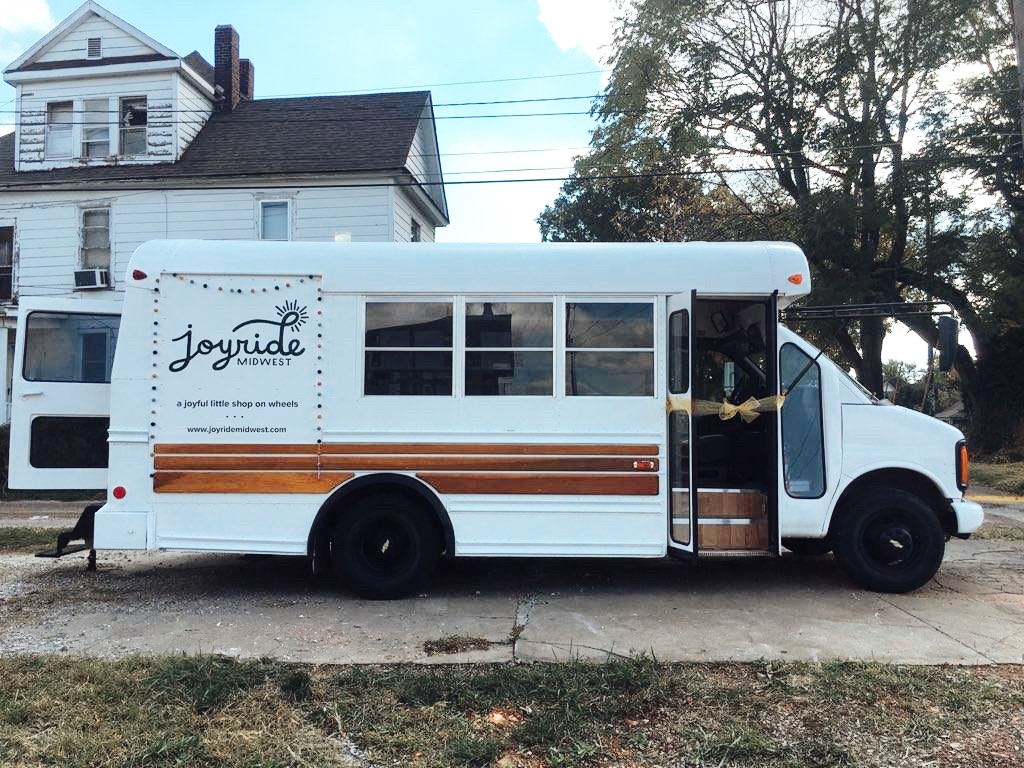
The reason is simple. When you converted your bus, you added insulation, wiring, plumbing, living fixtures, all of it. That changes the weight. The state needs to know your actual gross vehicle weight rating to determine if you need a CDL to drive it and to set your registration properly. So you usually need to take your finished bus to a certified scale — could be at a truck stop, a DOT scale house, or sometimes even a local fleet service — and get it officially weighed.
The cost of weighing is usually between $20 and $50, depending on where you go. After that, you use those weight records when you apply for your new title and registration. Some states make this mandatory, some states don’t really check, but I’d recommend doing it anyway because if you ever get pulled over and the state figures out your bus is overweight for its weight class, that’s a whole different kind of problem.
One thing I learned is that the timing matters too. Some people get weighed right after they buy the bus, before they convert it, because they want to understand the baseline. Other people wait until the build is completely done. Most people I’ve talked to wait until the build is finished because that’s when your actual weight matters for registration.
What About Motor Vehicle Inspection? What States Are More Difficult?
Not every state requires an inspection for converted buses, but a lot of them do. And the ones that do can be pretty specific about what they’re looking for. (See our guide on School Bus Mechanical Inspection: The Complete Pre-Buy Guide for more on this.)
I kept reading forum posts where people in certain states were freaking out about inspection. Some states don’t really care — they’ll register it as an RV and move on. Other states, particularly in the Northeast and upper Midwest, are way more strict. They want to see your build is structurally sound, that your modifications are safe, that your plumbing and electrical aren’t fire hazards. New York, Massachusetts, Vermont — those states seem to be the ones where people mention the most trouble. California’s tough too, though more for emissions than structure.
What I found is that if your state requires inspection, you’re probably looking at an inspection fee of $25 to $100, depending on the state. Then if you fail, you have to fix whatever they found and re-inspect, which means another fee. The best way to handle this is to call your state DMV before you finish your build and ask what they’re actually going to check for. Some inspectors just want to make sure it’s not a death trap. Others are pickier.
The frustrating part is that the inspection standards aren’t written down super clearly in a lot of states. One inspector might say your roof is fine, the next inspector might want reinforcement. It’s inconsistent, which is why I keep seeing people post about their experience and saying “your state might be different.” That’s the honest truth. You need to know your specific state’s requirements before you get too far into your build.
Conclusion
So here’s where I landed after all my research. Registration costs for a converted bus come down to your state, your bus weight, and whether your state requires inspections. You’re probably looking at somewhere between $300 and $1,200 total to get everything done the first time around, and then $100 to $300 a year after that for yearly registration. The actual registration fee itself is usually not the expensive part — it’s all the other stuff like inspections, weighing, title transfers, and potential re-work if an inspector finds something.
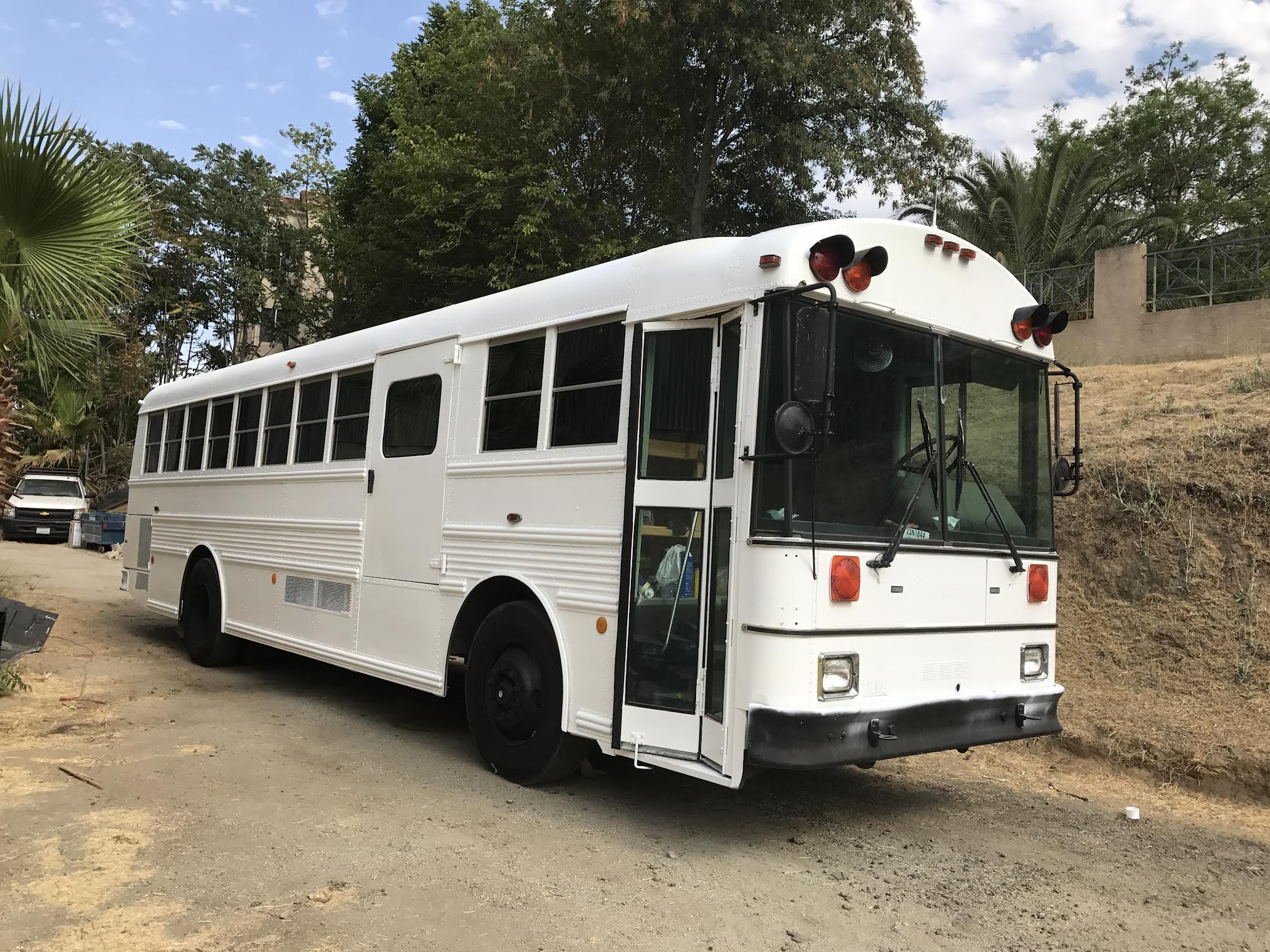
The good news is that once it’s done, it’s done. You’ll have an official title and registration for your RV or motorhome, and you won’t have to mess with any of this again except for yearly renewals. That’s it. Your state might have some quirk I didn’t cover here, so do your homework before you buy. Check with your state DMV and ask them directly what the process is and what they’re going to require. Trust me, 20 minutes on the phone with them beats finding out the hard way after you’ve already finished your build.