
Timing the re-registration of your bus is one of those decisions that seems simple until you start asking around and realize everybody’s got a different answer.
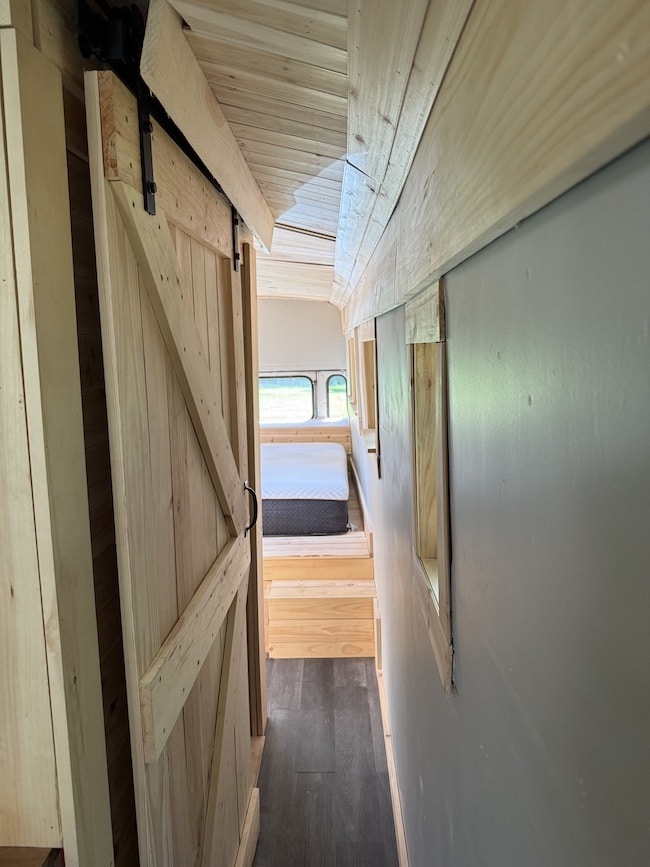
The best time to re-register your school bus as an RV is as soon as you meet your state’s minimum conversion requirements, which usually means a permanent bed, a cooking surface, and some form of water storage. You don’t need a finished build. You don’t need granite countertops or a tile backsplash. You just need enough installed to prove it’s being used as a living space. Getting the re-title done early solves a whole list of problems — insurance gets easier, you’re no longer in the commercial vehicle gray area, and you can legally drive it as a personal vehicle without worrying about CDL questions every time you pass a weigh station.
I have a question for tip #2, do you have any advice on when it’s best to get it reregistered? I know people that wait til after the build is complete, and people who do it right away. Is there a better option out of the two?
So this is the question I kept running into when I was researching the whole registration process, and I found that people are really split on it. Some folks wait until their build is completely finished, every last cabinet installed, every wire tucked away, before they even think about going to the DMV. Other people rip out the seats, throw a mattress on the floor, set a camp stove on a shelf, fill up a water jug, and go get it re-titled that same week.
After looking into both approaches for a while, I’m pretty firmly in the “do it early” camp. And here’s why.
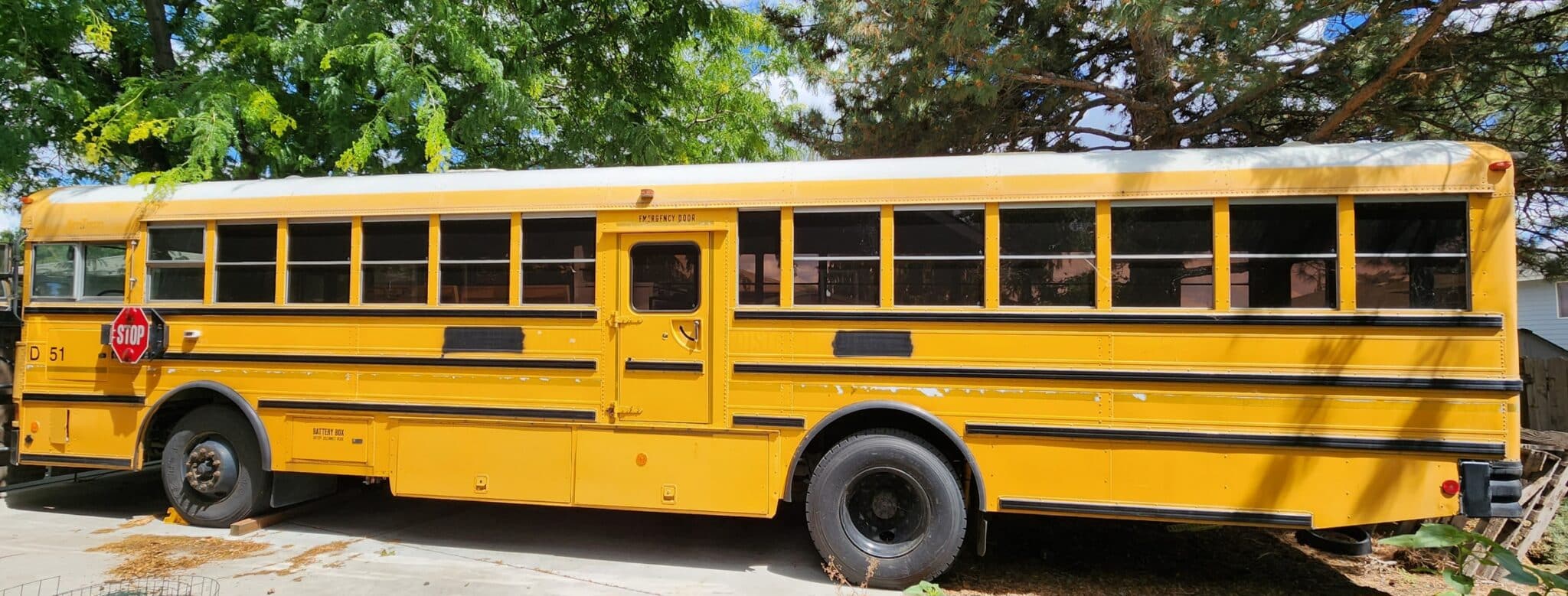
When your bus is titled as a commercial vehicle, everything about owning it is harder. Insurance companies don’t want to touch it. Some states consider you to be operating a commercial vehicle, which opens up a whole CDL conversation that you probably don’t want to have. And if you’re driving it around with a commercial title, you’re technically subject to commercial vehicle regulations in some jurisdictions. None of that is fun to deal with. (See our guide on Can You Get Insurance for a Converted School Bus? for more on this.)
I was reading a thread a while back where a guy had been building his bus for about eight months. Beautiful build, really taking his time with it. He got pulled over on his way to pick up some lumber and the officer asked to see his CDL. He didn’t have one because his bus was under 26,001 lbs GVWR, so technically he didn’t need one. But it turned into this whole 45-minute roadside conversation because his title said “school bus” and the officer didn’t know what to do with that. If his title had said “motorhome” or “RV,” that interaction probably never happens. (See our guide on Do You Need a CDL to Drive a Skoolie? for more on this.)
The people who wait usually have a reason though. Some states have stricter inspections than others, and they want everything perfect before an inspector comes through. That’s fair. But even in stricter states, you typically only need the basics — sleeping, cooking, and water. You can always upgrade later. The state isn’t going to come back and re-inspect your bus because you added nicer cabinets six months down the road.
Now there’s one exception I should mention. If you’re in a state where the inspection process is really rigorous and you’re worried about failing, it might make sense to wait a little longer and have more of your build complete. But even then, I’d still aim to re-title as early as your state allows rather than waiting for a “perfect” build. Perfection takes forever, and in the meantime you’re dealing with all the headaches of a commercial vehicle title.
How is the bus registered when you pick it up from the desert where you bought it and you get it home prior to being an RV?
This was actually one of the things that confused me the most when I first started digging into the bus buying process. You find a bus for sale three states away, you buy it, and now you need to drive it home. But it’s not an RV yet. It’s still a school bus. So what are you supposed to do?
Well, it depends on the state you’re buying it in and the state you’re bringing it to, but there are really only a few ways this goes.
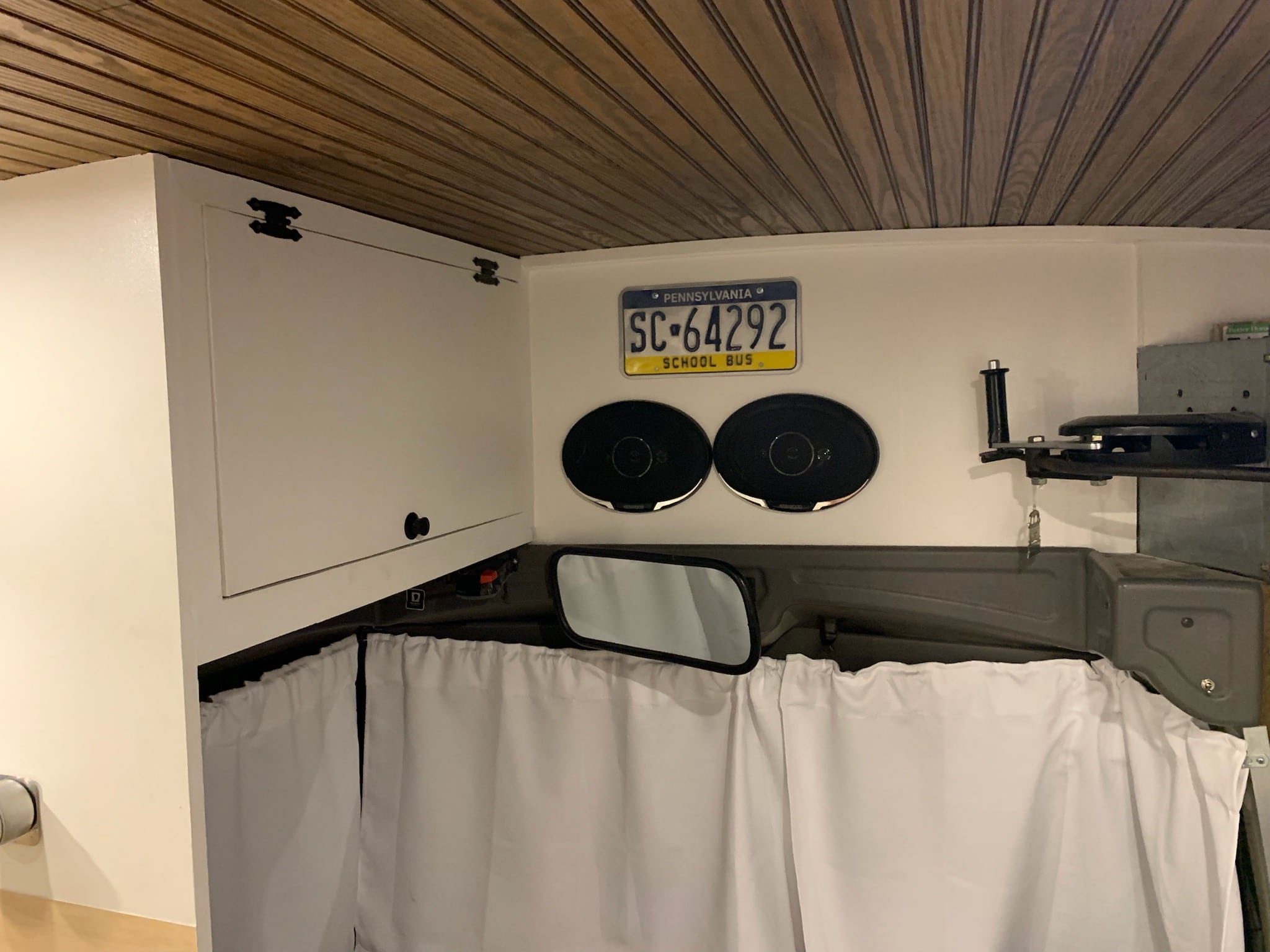
The most common approach is a transit plate or temporary registration. Most states will issue you a temporary tag or transit permit that lets you legally drive a newly purchased vehicle to your home state. These usually last 30 to 90 days and cost somewhere between $5 and $50. You get the plate, you tape it in your window or bolt it on, and you drive home. The bus is still titled as a school bus during this time, and that’s fine. You’re in transit. (See our guide on Can You Legally Live in a Converted School Bus? for more on this.)
Some people skip the temp plate entirely and just use the existing plate from the seller, if the registration hasn’t expired. This is technically legal in some states for a short window after purchase, and not legal at all in others. I wouldn’t recommend it because if you get stopped in a state that doesn’t allow it, you’re looking at a potential impound situation, and impound fees on a 35-foot bus are not cheap.
The third option, and this is what I’ve seen more seasoned bus people do, is to register it in your home state as-is before you even pick it up. Some states let you do this by mail or online. You send in the title, the bill of sale, your fee, and they mail you back a plate. Then you fly out to where the bus is, slap the plate on, and drive home fully legal. This takes more planning but it’s the cleanest way to do it. (See our guide on How Do You Register a Converted School Bus as an RV? for more on this.)
Here’s the thing that nobody really talks about though. When you’re driving your newly purchased school bus across the country, you look like you’re driving a school bus. People will flash their lights at you. They’ll slow down when they see you. Truck drivers will give you weird looks. And occasionally law enforcement will want to know why there’s a random person driving a school bus that doesn’t have a school district name on the side. Having your paperwork in order — bill of sale, temp plate, insurance — makes those interactions go way smoother.
I’d also strongly recommend getting some kind of insurance lined up before you make the drive. Even a basic liability policy. Some auto insurance companies will write a short-term policy on a bus if you explain you’re driving it to your home state for conversion. It’s not always easy to find, but it’s worth the phone calls. Driving a bus across three states with zero insurance is the kind of risk that only sounds reasonable until something goes wrong.
So did they have to get the bus weighed for title and licensing after the finished rebuild?
Some states want a weight ticket before they’ll process your re-title, and some don’t care at all. It’s one of those things where the answer is completely dependent on where you live.
When I was looking into this, I found that states like California, Montana, and a few others specifically ask for a certified weight when you’re changing the vehicle classification. The logic is straightforward — your bus started as a commercial vehicle at one weight, and now you’ve added walls, plumbing, a kitchen, a bed, water tanks, batteries, the whole deal. The state wants to know what it actually weighs now because that number determines your registration fees and whether you fall into a different weight class.
Getting weighed is honestly one of the easiest parts of this whole process and probably the cheapest too. You drive to a CAT scale at any truck stop, pay about $12 to $15, and you get a printed receipt with your gross weight. The whole thing takes maybe ten minutes. Keep that receipt because you’ll need it at the DMV, and honestly keep a copy in the bus too. If you ever get pulled into a weigh station, having your actual weight documented is a nice thing to have on hand.
Now here’s where timing comes back into play with the weighing thing. If your state requires a weight ticket for re-titling, you’ve got a decision to make. Do you weigh it with your minimal conversion setup when you go for the early re-title, or do you wait until the build is done?
What I found most people do is weigh it when they re-title, even if the build isn’t complete. The weight on your title doesn’t need to be updated every time you add a cabinet. It’s a snapshot. Some states base fees on GVWR, which is the manufacturer’s rating and doesn’t change regardless of what you build inside. Other states use actual weight, and even then, the difference between a partial build and a finished build might only shift your fee by $20 or $30. Not worth delaying your re-title over.
But even if your state doesn’t require weighing for the title, I’d recommend doing it anyway once your build is done. Not for the DMV, but for yourself. Knowing your actual loaded weight tells you how much room you have before you hit your GVWR. It tells you if your tires are rated for what you’re carrying. It tells you whether you should be worried about that 26,001 lb CDL threshold. All stuff that’s worth knowing before you hit the highway for the first time with a full water tank and everything you own packed inside.
One more thing on the weight topic. I talked to somebody once who finished their build, got it weighed, and found out they were about 2,000 lbs over their rear axle rating. Everything was legal from a GVWR standpoint, but the weight distribution was off because they’d put all the heavy stuff — water tank, batteries, tools — in the back of the bus. That’s the kind of thing a scale can catch, especially if you get individual axle weights, which most CAT scales will give you. It’s worth the $15 just for the peace of mind.
Related: The Complete Guide to Insuring a Converted School Bus
So What’s the Actual Game Plan?
After digging into all of this, here’s where I landed on the timing question. And I’ll be honest, I went back and forth on it before settling on this approach.
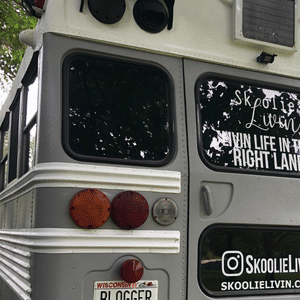
Get your bus home first, using a transit plate or temp registration. Get insurance lined up, even basic coverage, before you make the drive. Once you’re home, start the conversion with the basics — rip out the seats, put in a bed, set up a cooking surface, and get some water storage in there. That’s your bare minimum for most states.
Then go get it re-titled. Don’t wait for the build to be done. Don’t wait until you’ve got the perfect kitchen or the shower is tiled. Get the RV title as soon as you qualify, because from that moment forward, everything else gets simpler. Insurance options open up. The CDL gray area goes away. You’re driving a motorhome, not a commercial school bus, and that distinction matters more than most people realize.
After that, finish your build on your own timeline. Nobody’s coming back to check on you. The state doesn’t care if you upgrade from a camp stove to a full propane range six months later. They already did their thing. You’ve got your title, you’ve got your registration, and you can focus on actually building the bus you want to live in without worrying about the legal side of it hanging over your head.
That’s basically it. Get the paperwork done early, and then go enjoy the fun part.
yyw3bx