So this was something I worried about way more than I probably needed to. I had this image in my head of pulling up to an RV park in a converted school bus and the manager coming out to tell me to leave. And yeah, that can happen, but it’s way less common than the internet makes it seem.
Yes, most RV parks will accept a converted school bus, but not all of them. Some parks have age restrictions, length limits, or policies against “homemade” RVs. The key is calling ahead. About 70-80% of RV parks will let you in without issue, especially if your bus looks well-maintained and professionally converted. The parks that reject skoolies tend to be upscale resort-style parks or 55+ communities with strict appearance standards.
I’ve heard that some campgrounds will not accept anything other than traditional camper trailers or RVs. Has this been a problem for you?
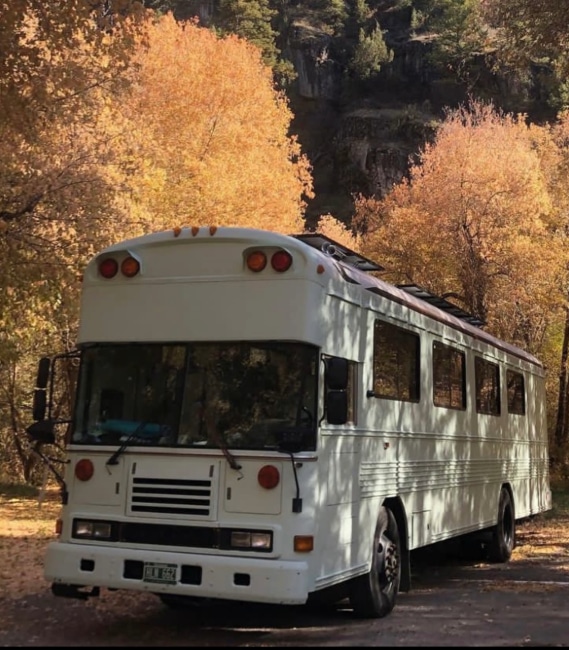
It does happen, and it’s one of those things nobody warns you about before you build. Some campgrounds have policies that specifically exclude converted vehicles, buses, vans, anything that doesn’t have a factory RV manufacturer stamp on it. I talked to one guy who got turned away from two parks in a row on his first weekend trip and was ready to sell the bus. Then he called ahead to the third one and they were thrilled to have him. It really just depends on the park.
The parks that tend to reject skoolies are the high-end resort parks (Thousand Trails premium locations, some KOA Resorts) and age-restricted communities. These places care about aesthetics and “brand image” and a converted school bus doesn’t fit their vibe no matter how nice it looks inside.
But the vast majority of RV parks, particularly independent parks, state parks, county parks, and campgrounds, will welcome you. They care about two things: will you pay, and will you not cause problems. If your bus is clean, well-maintained, and you’re a polite guest, you’ll be fine at most places. The trick is always calling ahead. Don’t just show up. A 2-minute phone call saves you a wasted drive and that sinking feeling of pulling a 35-foot bus into a parking lot only to be turned away.
How many RV parks allow this style of motor coach?
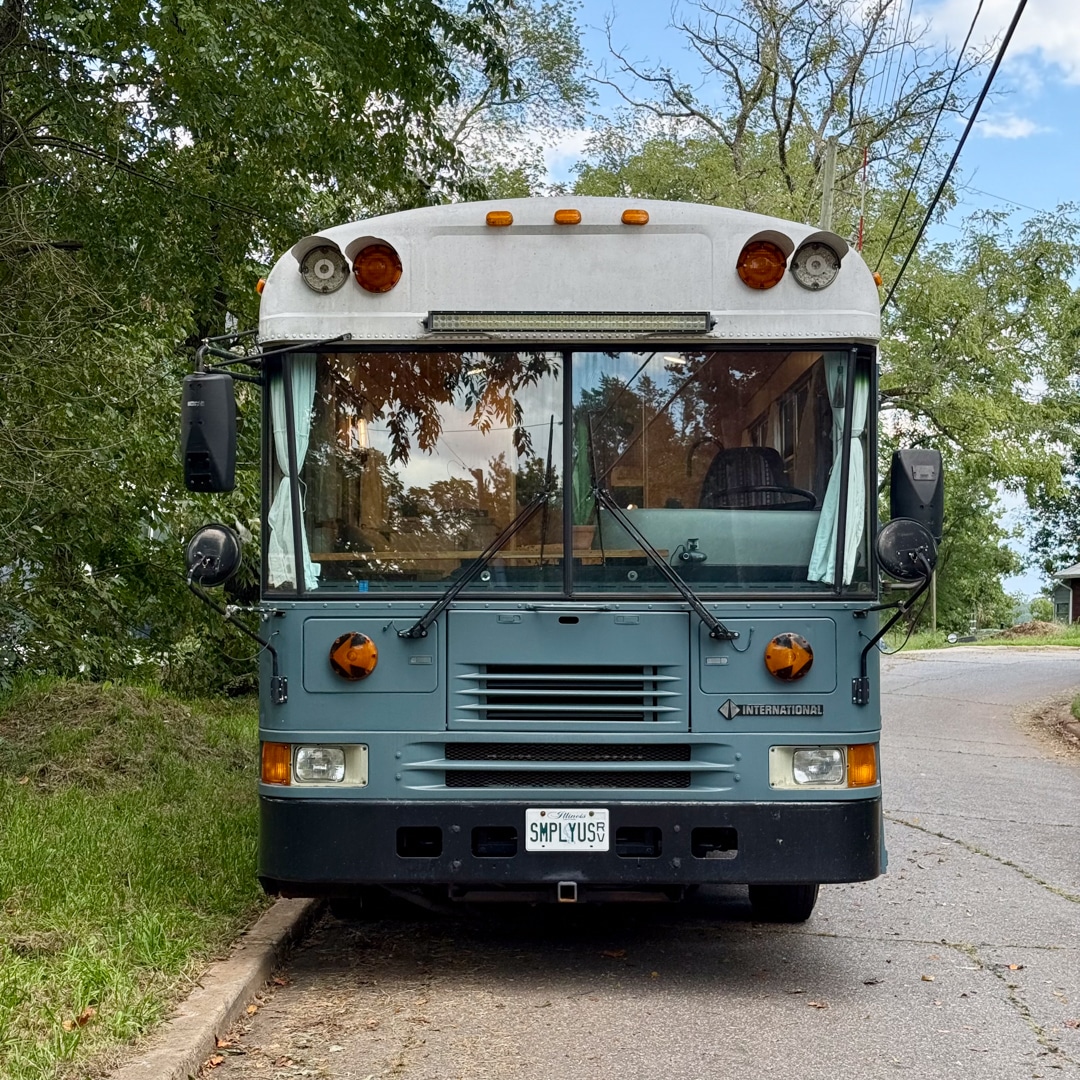
Roughly 70-80% in most people’s experience. The skoolie community has been tracking this informally, and the consensus is that most standard RV parks say yes. I went through a bunch of forums and Facebook groups tallying up people’s experiences and that number held up pretty consistently.
State parks and national park campgrounds almost always accept any registered RV, including conversions. These are public facilities and they can’t discriminate based on vehicle appearance if you meet the size requirements. This is one reason having your bus properly titled as an RV matters so much.
Private parks vary. Independent mom-and-pop parks are usually the most welcoming. Chain parks like KOA vary by location, some franchise owners love skoolies, others don’t. Full-time RV parks where people live year-round almost always accept bus conversions. They want long-term paying tenants, and they’re used to seeing all types of rigs.
Are you able to go to campgrounds? Do RV parks even let buses in?
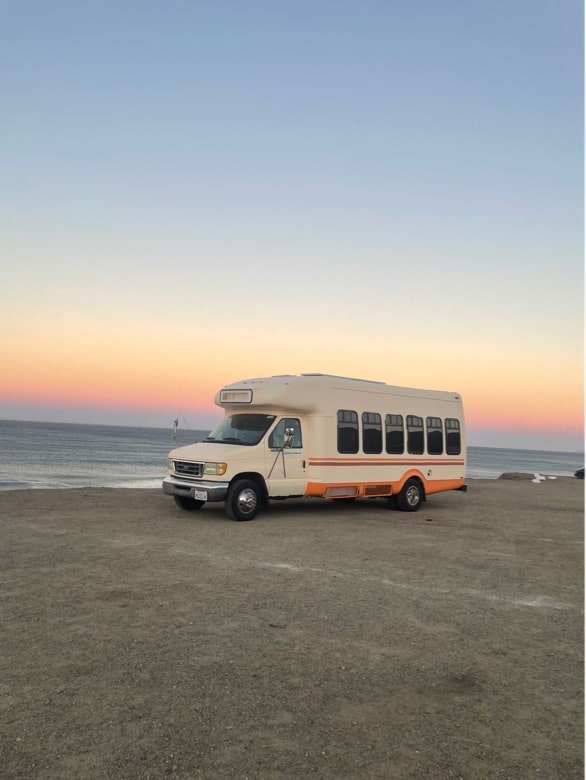
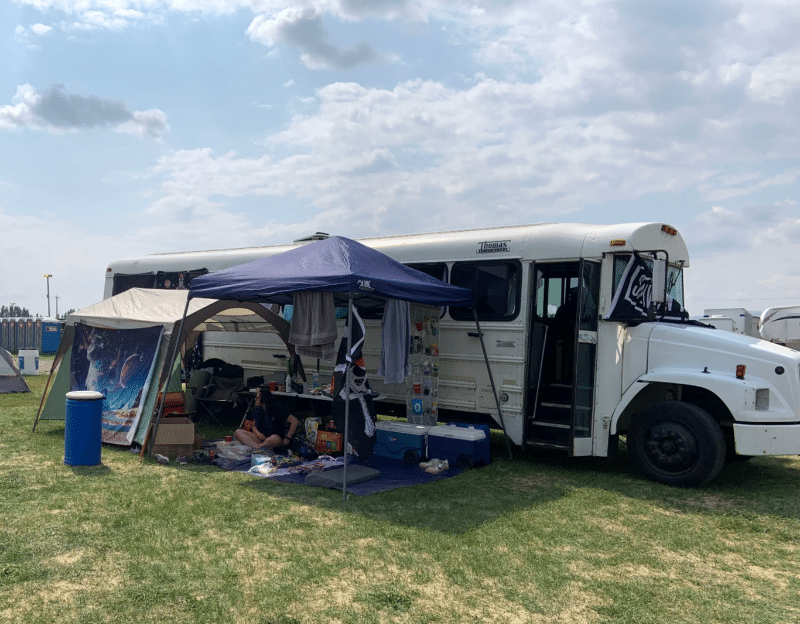
Yes, and here’s what I found makes the biggest difference in your acceptance rate.
Paint your bus. Nothing screams “I’m not a real RV” like a yellow school bus rolling up with “School District #47” still visible on the side. A professional-looking paint job, even DIY with Rust-Oleum, makes a huge difference in first impressions. I know a couple who spray painted their bus themselves for under $200 and said it changed their reception at parks completely.
Call ahead and send photos. Most park managers who hesitate just need to see that your bus is a legitimate, well-built home and not a rusty wreck. A few interior photos go a long way. I started keeping a few good shots on my phone specifically for this purpose.
Know your dimensions. Length is the biggest limiting factor. Many RV sites max out at 35-40 feet. If your bus is 40+ feet, your options narrow. Short buses (22-25 feet) fit almost everywhere, which is honestly one of their biggest advantages.
Have your RV title and insurance ready. Some parks ask for proof of registration as an RV. If your bus is still titled as a bus, you might get turned away on that alone.
Where else can you park besides RV parks?
This is where it gets interesting, because honestly some of the best parking spots aren’t RV parks at all.
Boondocking on BLM land and national forests is free with a 14-day stay limit and no hookups. This is huge in the Western states and it’s where a lot of skoolie owners spend most of their time. You’re out in nature with nobody telling you what your bus should look like.
Harvest Hosts ($99/year) gives you overnight parking at farms, wineries, breweries, and museums. One-night stays, no hookups, but some of the coolest locations you’ll find. Hipcamp is like the Airbnb of camping, private landowners list their property and it’s often cheaper than RV parks with way more unique spots.
Walmart, Cracker Barrel, and Cabela’s, many locations allow free overnight parking. Not every store though, so check iOverlander or the Walmart Overnight Parking app first. And private land, leasing a spot from a landowner for $200-$500/month is common in rural areas and often the cheapest long-term option. I’ve met people who found spots on Craigslist and ended up staying for months.
It’s beautiful! But do you ever have problems getting into RV parks?
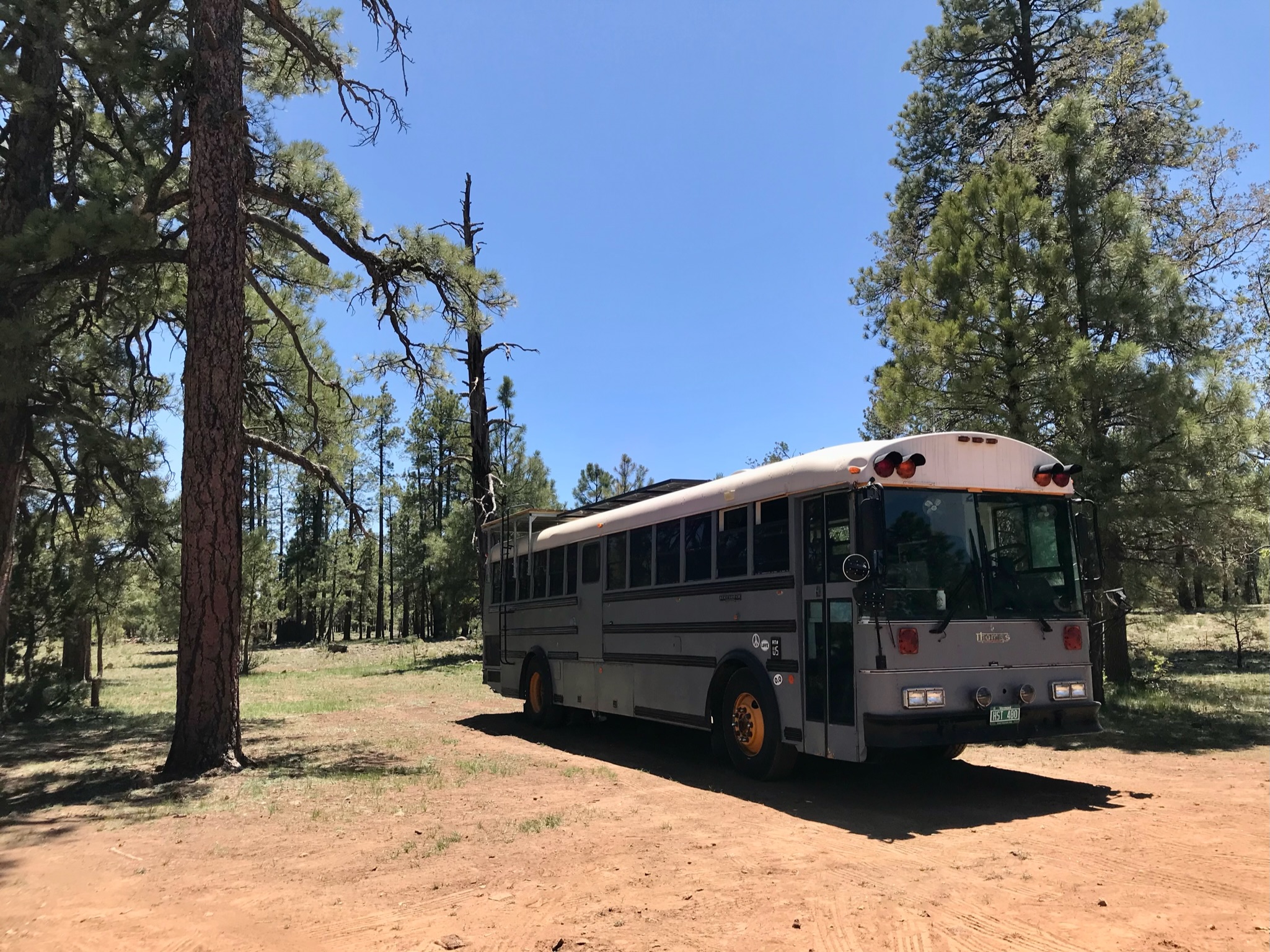
The people who have the least trouble share a few things in common. Their buses look good from the outside, clean paint, no rust, maybe some custom graphics or a roof deck. The bus reads as “intentional home,” not “abandoned vehicle.” First impressions matter and I wish someone had told me that earlier in my build process.
They also book ahead. Online reservations remove the “showing up and hoping” anxiety. Many parks let you book online and never see your vehicle until you arrive. By then you’re already paid up and have a site assigned. That’s the move right there.
The people who have the most trouble tend to have unpainted or partially-built buses, no RV title, or are trying to get into upscale parks that don’t fit the skoolie vibe anyway. Know your audience. A farmland campground in Montana is going to be way more welcoming than a resort park in Scottsdale.
The Bottom Line
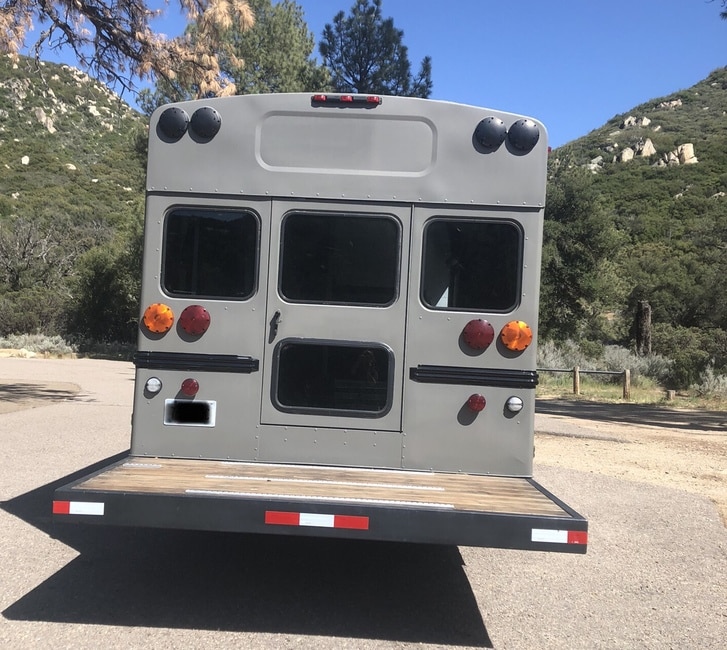
After talking to a lot of people and doing my own research, here’s what it comes down to. The vast majority of RV parks will take your skoolie, especially if you call ahead, have your RV title, and your bus doesn’t look like it just escaped a junkyard. State parks are almost always a yes. The parks that say no are usually the fancy resort-type places you probably wouldn’t want to stay at anyway.
And honestly, some of the best spots aren’t RV parks at all. Boondocking on BLM land, Harvest Hosts wineries, private land leases — there’s a whole world of parking options beyond traditional campgrounds. The freedom to park almost anywhere is kind of the whole point of bus life, and once you figure out where you’re welcome, the stress goes away pretty quick.
wuj3ff