
When I first started looking for a bus, I made the mistake of going to AutoTrader and typing in “school bus.” You can imagine how that went. Turns out school buses don’t get sold like normal vehicles, they move through completely different channels and once you know where to look it actually gets a lot easier.
Most people buy school buses from government surplus auctions (GovDeals, PublicSurplus), directly from school districts, Facebook Marketplace, Craigslist, or specialty dealers like BusesForSale.com and National Bus Sales. Government auctions are where the best deals are — you can find running buses for $1,500-$5,000. School districts sell directly to the public in many states. Facebook Marketplace has become one of the biggest marketplaces for used buses because private sellers and small dealers list there constantly.
Where do you go to buy old school buses? I can’t find a website that offers them.
The reason you can’t find them on regular car sites is because school buses aren’t consumer vehicles. They’re commercial fleet vehicles, and they get sold through completely different channels. Once I figured that out, everything clicked.
GovDeals.com is the gold standard. School districts, cities, and government agencies list their surplus vehicles here. You’ll find buses with real maintenance records and known histories, which is a huge deal when you’re about to sink thousands into a conversion. Prices typically start at $1,000-$3,000 for older buses and go up from there for newer ones.
PublicSurplus.com is similar, another government auction site. Some districts list on one, some on the other, so check both. I spent a few weeks refreshing both sites every morning before I found one I liked, and I’d recommend doing the same because good ones go fast.
Many school districts also sell directly. Call your local district’s transportation department and ask if they have buses they’re retiring. Some districts hold annual auctions, others sell first-come-first-served. I talked to a guy who got his bus for $2,000 just by calling the right person at the right time. The bus might need a little love, but you’ll know exactly how it was maintained because school districts keep meticulous records.
How can I find auction sites for school buses?
Beyond GovDeals and PublicSurplus, there are a few other channels I found worth checking.
Facebook Marketplace has honestly become the biggest one. Search “school bus,” “skoolie,” or “bus conversion” and filter by your region. This is where a huge number of buses change hands now, both from private sellers and small dealers. The downside is you’ve got to wade through a lot of junk listings, but the deals are out there.
Craigslist still works too, check the “cars+trucks” and “RVs” sections. Lots of buses listed here, especially in rural areas where Facebook hasn’t completely taken over yet.
BusesForSale.com is a specialty dealer aggregator. Higher prices than auctions, but more selection and sometimes better condition. National Bus Sales is another large dealer with inventory across the country. And don’t overlook local vehicle auctions like Ritchie Bros or municipal auctions where buses show up alongside trucks and heavy equipment. I almost missed a great deal at a county surplus auction because I didn’t even know it was happening.
How much does a school bus cost to buy?
I spent a lot of time trying to figure out what a “fair price” was, and the honest answer is it varies wildly based on age, mileage, condition, and where you’re buying.
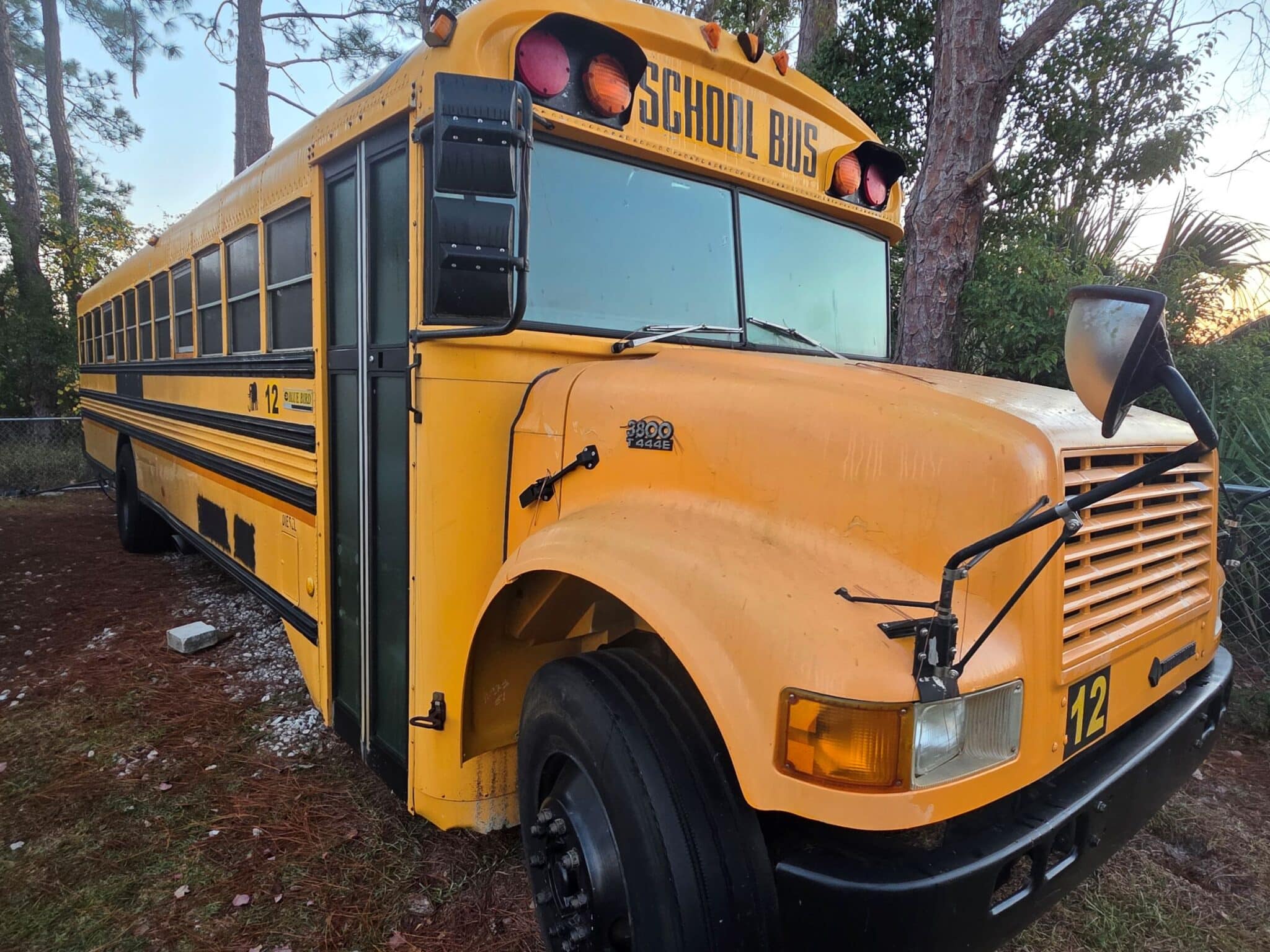
At government auctions, you can find running buses from the late 90s to mid-2000s for $1,500-$5,000. These typically have 100,000-200,000 miles, which sounds like a lot but is nothing for a diesel engine. I’ve talked to mechanics who say a well-maintained school bus diesel can run 300,000+ miles without a rebuild. More on that in our article about how long school bus engines last.
Private sellers on Facebook and Craigslist usually ask $3,000-$8,000 for a running bus in decent shape. If it’s already been partially converted or has low miles, prices climb to $8,000-$15,000. Dealers charge more, $5,000-$20,000+ depending on age and condition. The upside is they might offer some kind of warranty or return policy.
Short buses (Type A) tend to be cheaper at $2,000-$6,000 from auctions. Full-size 40-foot buses can be found for $3,000-$10,000 from the same sources. If you’re not sure which size is right for you, we compare short bus vs full-size in another article.
The sweet spot most builders target: a 2000-2010 diesel bus with 80,000-150,000 miles for $3,000-$6,000 from a government auction. That’s what I’d recommend if you’re doing your first build.
What happens to buses when they retire? Can you buy decommissioned school buses?
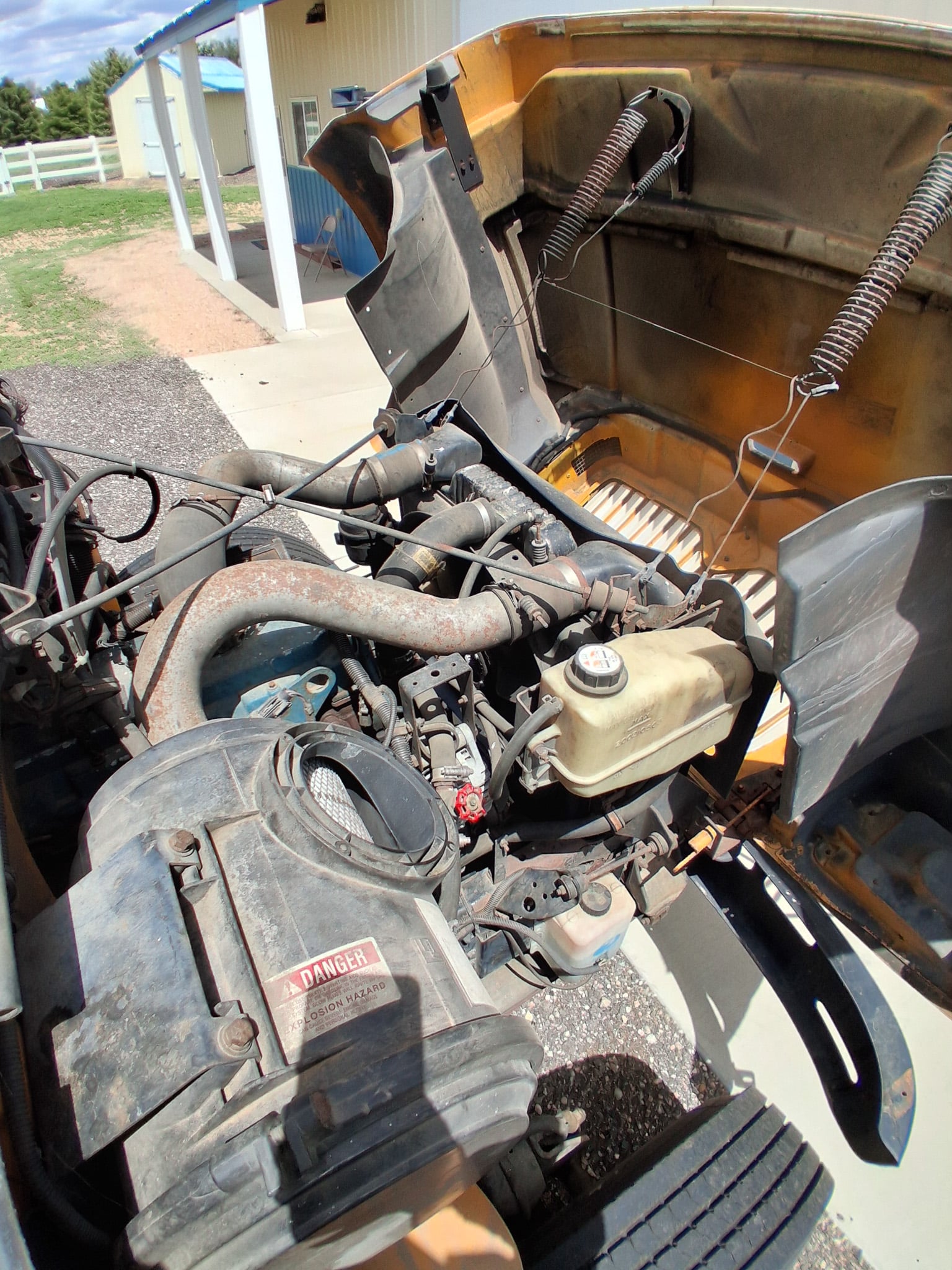
Yes, absolutely. School districts retire buses based on age and mileage, typically after 12-15 years or 200,000+ miles. When a bus gets retired, the district either auctions it off, sells it directly, or in some cases scraps it.
Most districts auction their retired buses through GovDeals or local auction houses. Some will sell directly to individuals if you call and ask. A few states require public auction, but many allow direct sales. It really depends on the district’s policy.
The buses sitting in fields and bus graveyards that you see on YouTube? Those are usually buses that districts couldn’t sell or didn’t bother listing. Sometimes you can buy those for almost nothing, $500-$1,500, but you’re taking a real risk on mechanical condition. I saw one guy on a forum buy a “barn find” bus for $800 and then spend $4,000 getting it running. At that point you might as well have bought a running bus from an auction. But sometimes people get lucky and find a solid bus that just needs batteries and fuel. It happens.
I’m in California/NYC — where can I buy a bus locally?
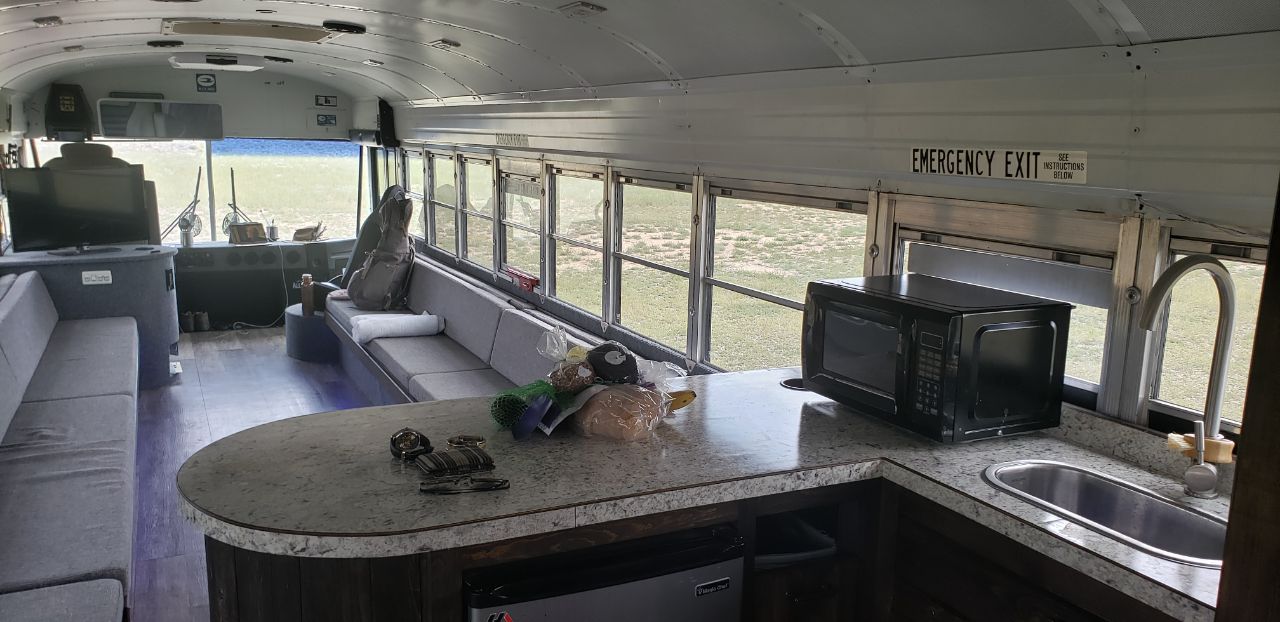
Every state has buses for sale, but some areas are more expensive than others. California and the Northeast tend to have higher prices because there’s more demand and a higher cost of living driving up everything. Southern and Midwest states, Texas, Oklahoma, Georgia, Missouri, often have the cheapest buses because there are more school districts and less demand from converters.
Some buyers travel out of state to find a better deal, and honestly I think that’s smart if you’ve got the flexibility. A $2,000 bus in Oklahoma plus $500 in fuel to drive it home beats a $7,000 bus in California. Just factor in the trip cost when comparing prices. And if you’re worried about driving a bus for the first time, the trip home is actually a great way to learn. You’ll have hundreds of highway miles to get comfortable before you ever have to park it.
The Bottom Line
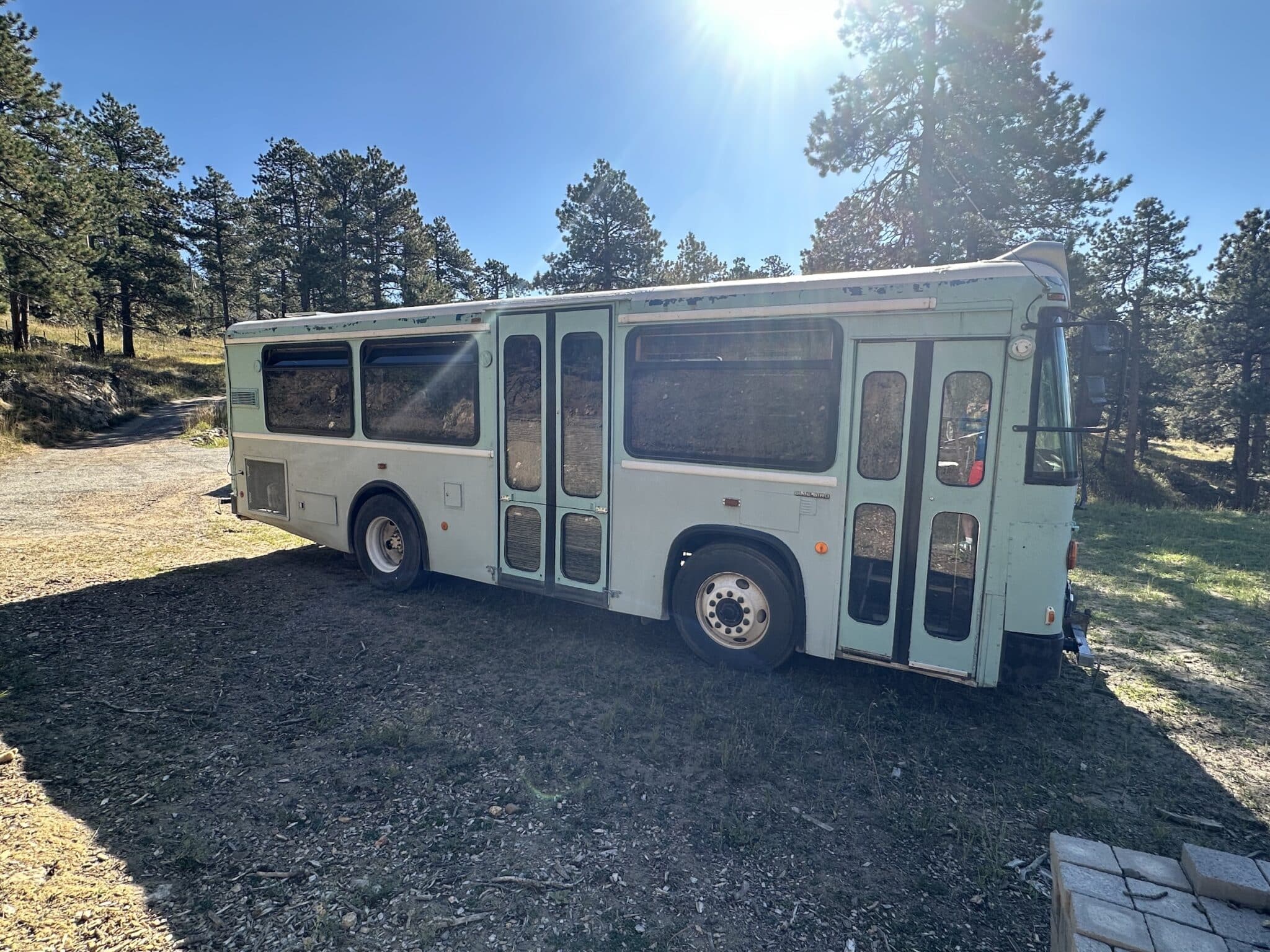
After spending way too many hours searching, here’s what I’d tell someone just starting the bus hunt. Start with GovDeals and PublicSurplus, check them every day, and be ready to act fast when something good pops up. Call your local school districts and ask what they’ve got. And set up alerts on Facebook Marketplace for your area and a few surrounding states.
Don’t overthink the mileage thing. A diesel bus with 150,000 miles that was maintained by a school district is in way better shape than a car with the same mileage. And don’t be afraid to travel for the right bus, the savings can easily be worth the trip. The sweet spot is a 2000-2010 diesel in the $3,000-$6,000 range, and if you’re patient you’ll find one.
3 thoughts on “Where Do You Buy a School Bus for Conversion?”