
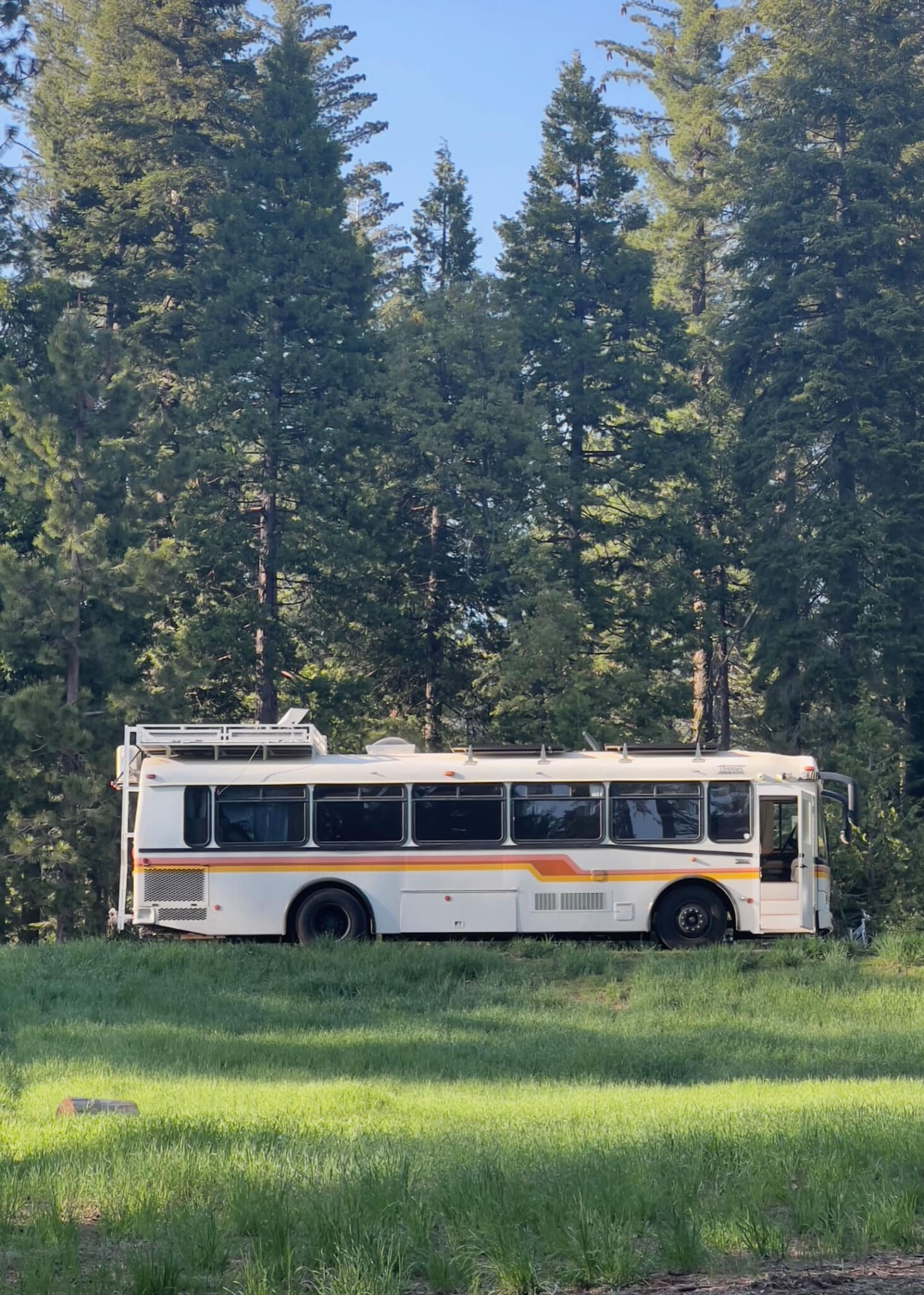
You’ve got the bus, you’ve got the dream, and now you’ve got the question everyone asks: how do you actually pay for all of this? It’s the single biggest concern people have before going full-time, and honestly, it’s a fair one.
The short answer is that most full-time bus dwellers make money through a mix of remote work, freelancing, seasonal gigs, and creative side hustles. Your expenses are dramatically lower without rent or a mortgage, so you don’t need a six-figure income to live well. Most bus lifers report needing between $1,500 and $3,000 a month to cover everything, including fuel, food, insurance, campground fees, and maintenance.
I spent a lot of time researching this topic and talking to people who are actually out there doing it. What I found surprised me. The money side of bus life isn’t nearly as scary as most people make it out to be, and there are way more options than you’d think.
Remote Work (The Most Common Answer by Far)
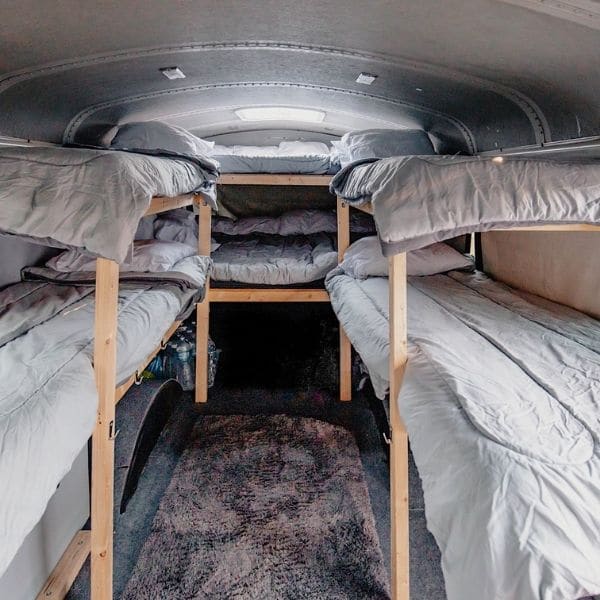
If you can do your job on a laptop, you can do your job from a bus. That’s not an exaggeration. Software developers, customer service reps, virtual assistants, writers, graphic designers, accountants, the list of remote-friendly careers keeps growing every year. I’ve talked to bus lifers in all of these fields, and they all say the same thing: once you get the internet and WiFi situation figured out, working from a bus feels surprisingly normal.
So what does this actually look like in practice? You park somewhere with decent cell signal or campground WiFi, open your laptop, and get to work. A lot of bus lifers use a mobile hotspot or a cell booster to stay connected, and the coverage is honestly better than most people expect.
“Do you work remotely or are you retired? I’m curious about how you cover ongoing costs.”
This comes up constantly, and the answer varies. Some people negotiated remote work with their existing employer before hitting the road. Others found fully remote positions after deciding to go full-time. And yes, some are retired, but plenty of working-age people are out there doing this right now. If you want a deeper dive on the remote work angle, we put together a whole guide on working remotely from a skoolie.
The beauty of remote work from a bus is that your “commute” is about six feet from the bed to the desk. And if you don’t love the view from your office window, you just drive somewhere better next week.
“What type of work do you two do to pay for all the diesel fuel, vehicle maintenance, health insurance, vehicle insurance?”
This is the real question, isn’t it? It’s not just about making money. It’s about making enough to cover the specific costs of bus life. Remote work covers the big picture, but you’ve gotta think about it in terms of your actual monthly nut. Most couples on the road report that one or both of them work remotely. The combination of two remote incomes plus drastically reduced living expenses makes the math work surprisingly well.
Freelancing
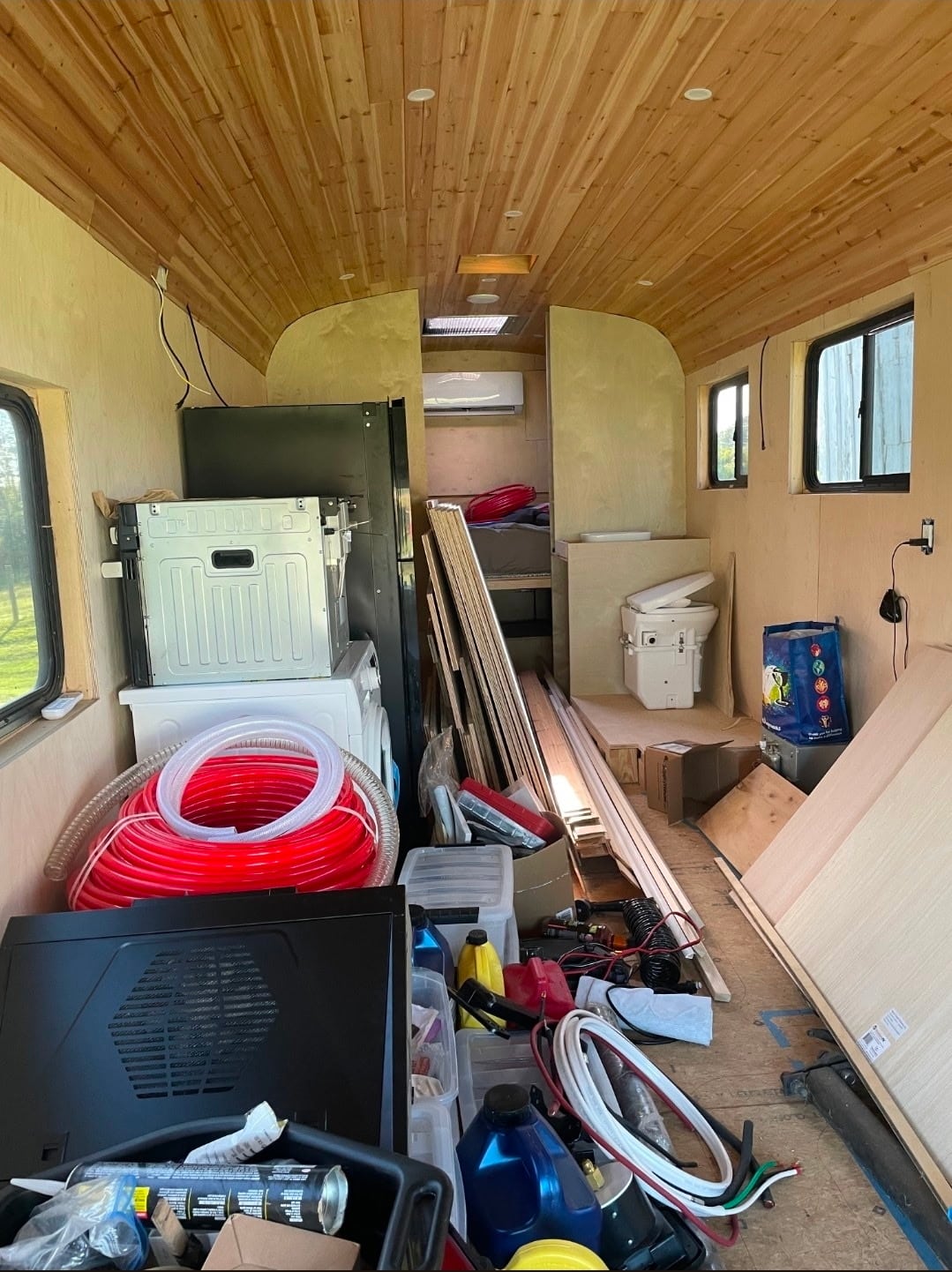
I think of freelancing as remote work’s scrappier cousin. Instead of one employer, you’ve got multiple clients, and you set your own schedule. This is huge for bus life because you can ramp up when you’re parked somewhere for a while and dial back when you want to explore.
Popular freelance gigs for bus dwellers include writing, web design, social media management, bookkeeping, photography, and video editing. Platforms like Upwork, Fiverr, and Toptal make it easier than ever to find clients without networking at some office happy hour.
Here’s the thing, though. Freelancing gives you something a traditional job doesn’t: complete control over when and where you work. Parked at a beautiful state park for two weeks? Knock out a big project in the mornings and hike in the afternoons. That’s not a fantasy. People are doing it right now.
“How do you afford this lifestyle?”
Freelancing is one of the most common answers to this question. When your rent is zero and your biggest expense is diesel, you don’t need to earn what you earned back in the city. A freelancer pulling in $2,000-$4,000 a month is living comfortably on the road. In a lot of cities, that same amount wouldn’t even cover rent.
Seasonal Jobs
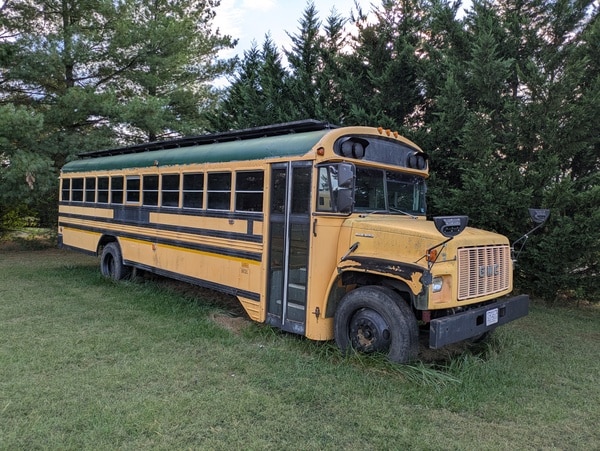
This one is a favorite in the bus life community, and for good reason. Seasonal work is practically designed for people who move around. I talked to a couple in Arizona who’d been doing seasonal work for three years straight, bouncing between Amazon warehouses in the fall and national park jobs in the summer. They told me they hadn’t paid for a campsite in over a year because most of their gigs included free parking.
Amazon hires thousands of seasonal workers at their warehouses during peak season. They even have a program called CamperForce specifically for RV and bus dwellers. National parks hire seasonal staff for everything from gift shop clerks to trail maintenance. Ski resorts, harvest farms, tourist towns, they all need temporary help, and many of them offer free or cheap parking for your rig as part of the deal.
So you roll into a town, work for a few weeks or months, save up, and move on. Sound familiar? That’s basically the modern version of how people have traveled and worked for centuries.
“What do people do for money? It just appears that vanlife is basically what we used to call homeless back in my day.”
Alright, let’s address this one head-on because it comes up more than you’d think. Living in a bus isn’t “homelessness with extra steps.” Most bus lifers are employed, many earn good money, and they chose this life deliberately. Seasonal work alone can net you $15-$20 an hour, and when you’re not paying rent, that money goes a lot further. The difference between bus life and homelessness is choice, planning, and a diesel engine that starts when you turn the key.
Campground Hosting
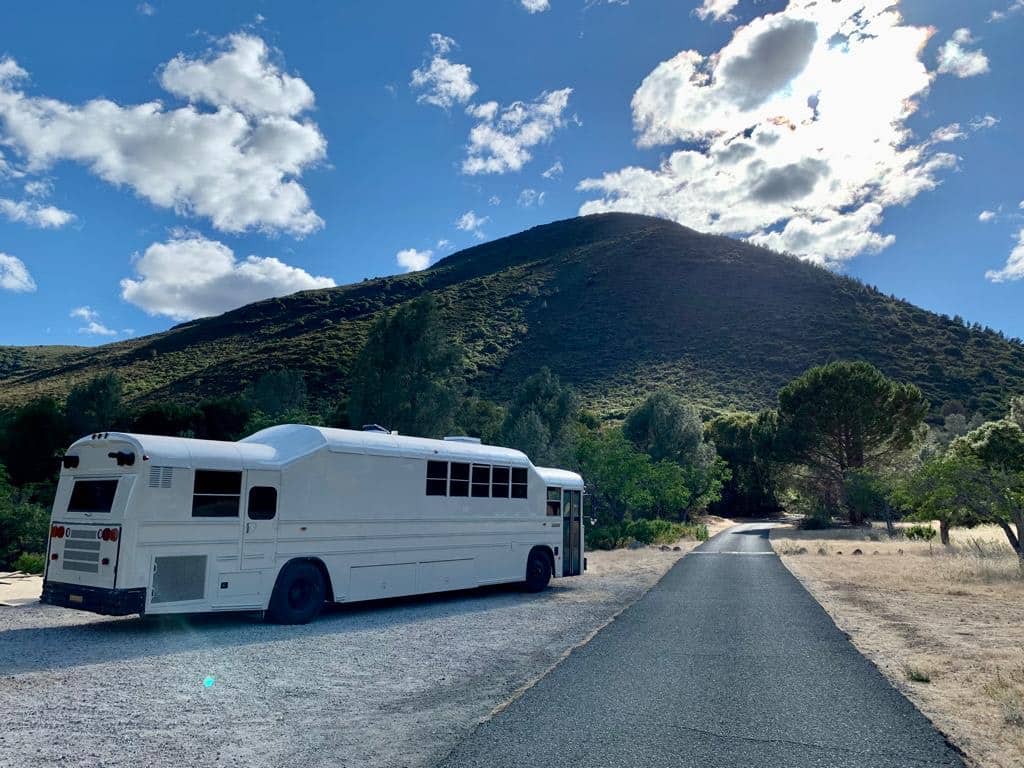
This one is almost too good to be true, but it’s legit. Campground hosts get a free campsite, sometimes with full hookups, in exchange for a few hours of work per day. You’re greeting campers, doing light maintenance, maybe cleaning a restroom here and there. If you’re already trying to find free and cheap camping for your skoolie, this is one of the best ways to do it.
Most campground host positions ask for 20-30 hours a week. Some are volunteer-only where you just get the free site, while others pay $8-$15 an hour on top of the free spot. Either way, you’re saving $500-$1,500 a month on camping fees alone.
So how do you find these gigs? Check with state and national parks, the U.S. Forest Service, and the Army Corps of Engineers. Private campgrounds also hire hosts. Websites like WorkampingJobs.com list hundreds of positions year-round.
CDL Driving Jobs
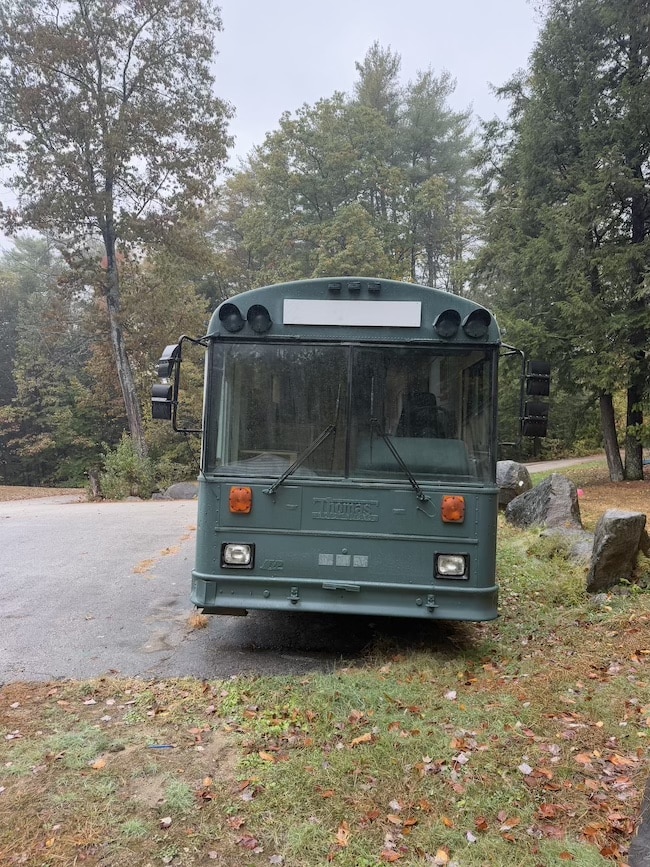
You’ve already got experience driving something big, right? Well, if you went ahead and got your CDL (which many bus owners do anyway for legal reasons depending on the bus), you’ve just opened up a whole world of well-paying work.
CDL drivers are in massive demand. Local delivery routes, dump truck operators, bus drivers for school districts or transit agencies, these jobs often pay $20-$35 an hour, and many of them let you work regionally so you’re not gone for weeks at a time.
“Did you have jobs while doing this or was it part time after work and weekends?”
A lot of bus dwellers who drive for a living started exactly this way. They drove during their conversion, saved money, finished the build, and then kept driving because the money was too good to walk away from. Some do local CDL work in whatever area they’re parked, then move on when the contract ends. It’s seasonal work with a commercial license, and it pays significantly better than most seasonal gigs.
Content Creation
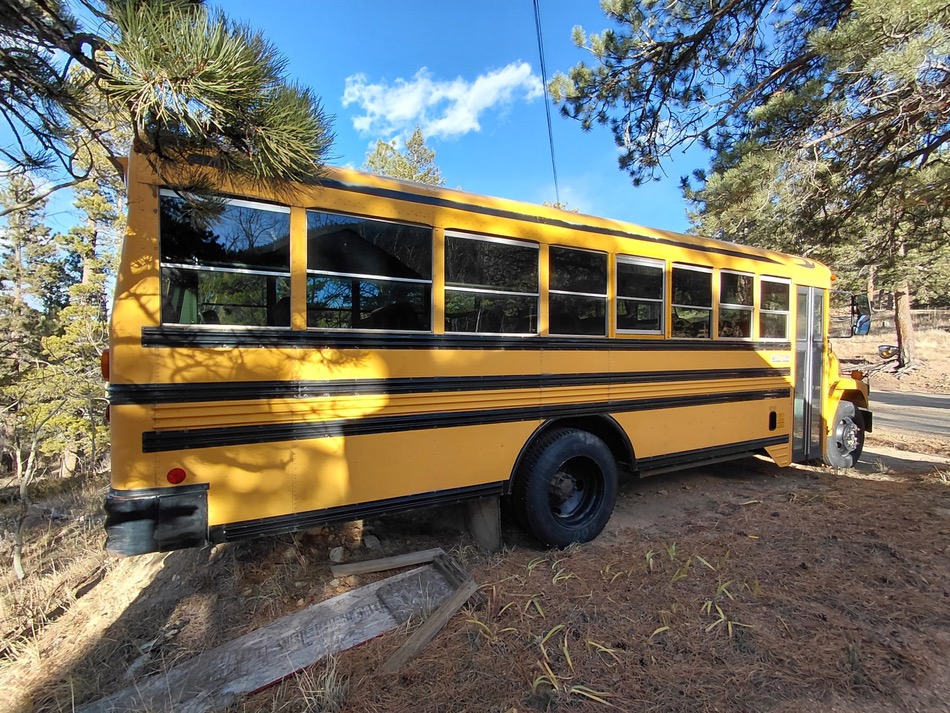
Ok, this one is obvious but it needs to be said: some bus lifers make money by documenting bus life itself. YouTube channels, Instagram accounts, TikTok, blogs, the audience for alternative living content is enormous and still growing.
Now, I’m not saying you’ll be a millionaire influencer by next month. Most content creators earn very little for the first year or more. But the ones who stick with it and produce genuinely helpful content can eventually earn real money through ad revenue, sponsorships, and affiliate links.
Here’s the honest truth. Content creation is a long game. If you enjoy making videos or writing and you’re already living an interesting life on a bus, it makes sense to document it. Just don’t quit your day job (or your freelancing, or your seasonal gig) expecting YouTube to pay the bills right away.
Selling Crafts, Goods, or Build Services
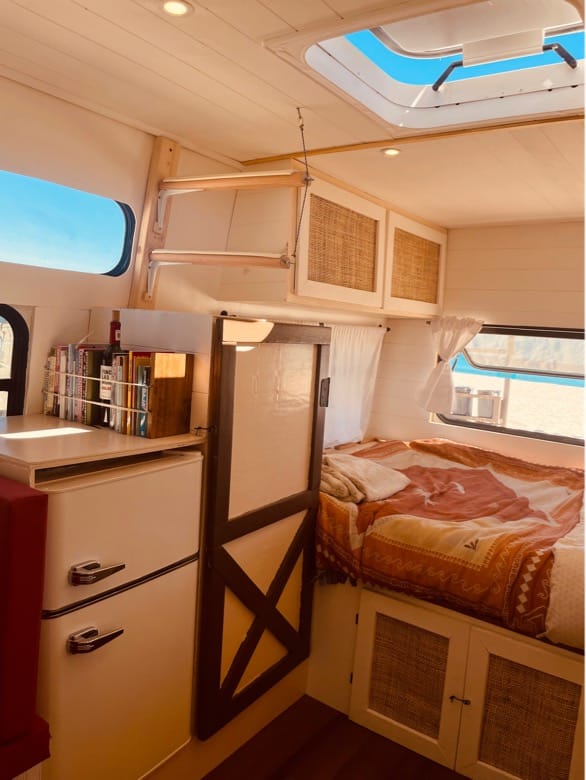
Some bus dwellers turn their building skills into income, and I think this is one of the most underrated options on this list. Think about it. If you successfully converted a school bus into a livable home, you’ve got skills that other people will pay for. Woodworking, metalwork, electrical, plumbing, these are trades, and trades are always in demand. Knowing how much a bus conversion actually costs also gives you a real edge when pricing your services.
“Not only a great build, but what comes through is your common sense approach. Do you build and then sell, or build by order?”
This question nails it. Some people build buses and sell them. Others consult on other people’s builds. And some just sell the smaller stuff, like custom cutting boards, handmade furniture, artwork, or whatever they’re good at. Etsy, local farmers markets, and craft fairs are all fair game when you’re parked in a new town every few weeks.
And here’s a side note worth mentioning: if you’ve built one bus, you know what mistakes to avoid on the second one. Build-to-sell skoolies can fetch $30,000-$80,000 depending on quality and features. That’s a real business, not a hobby.
Teaching and Tutoring
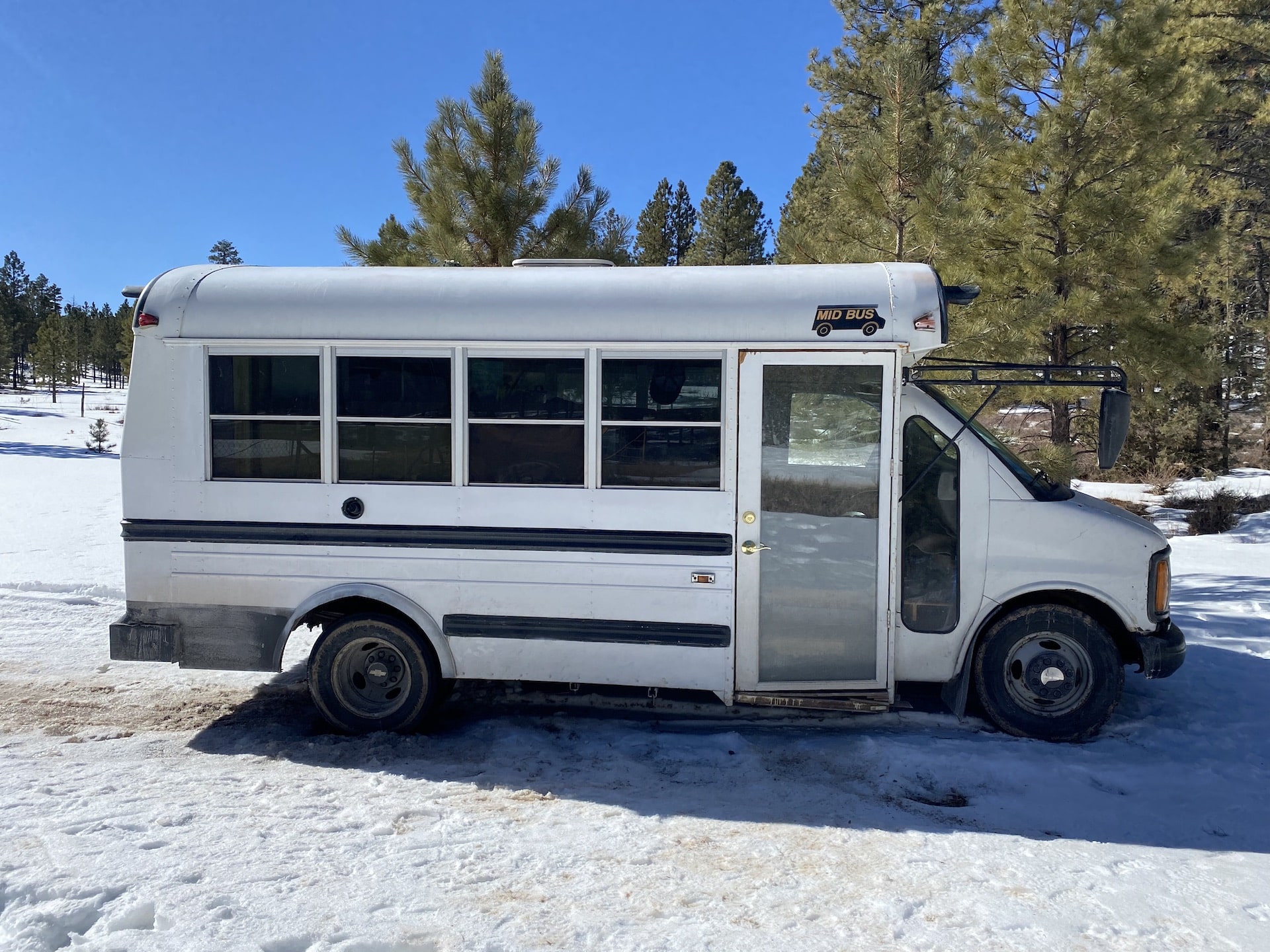
If you’ve got knowledge, you’ve got income potential. I actually met a guy at an RV park in Colorado who tutored high school math from his bus. He told me he made about $2,500 a month working maybe four hours a day, and he spent the rest of his time mountain biking. Not a bad setup. Online tutoring platforms like Wyzant, Tutor.com, and VIPKid connect you with students worldwide. All you need is a laptop, a webcam, and a halfway decent internet connection.
But it doesn’t have to be academic tutoring. You can teach guitar lessons over Zoom. You can coach people on fitness, nutrition, or business. You can create and sell online courses on platforms like Udemy or Skillshare. Once you build a course, it earns money while you sleep, or while you’re driving through New Mexico.
“When do you have time to teach the kids and drive the bus and do your other job?”
This question is really about time management, and it’s a valid one. The answer is that bus life forces you to get intentional about your schedule. A lot of families set mornings aside for homeschooling, afternoons for work, and evenings for exploration. Tutoring fits perfectly into that rhythm because you can schedule sessions when it works for you.
Mobile Services
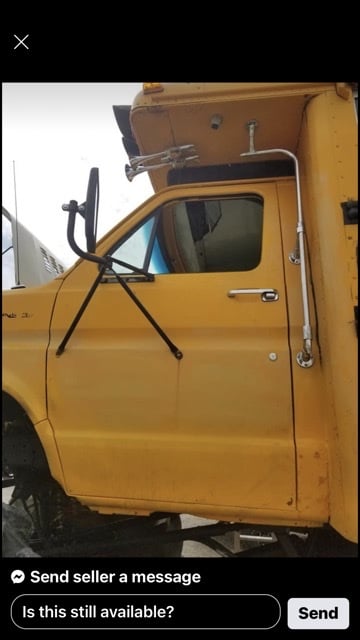
Here’s one that doesn’t get enough attention, and I think it’s genuinely one of the smartest plays for bus lifers. If you’ve got a skill that requires showing up in person, being mobile is actually an advantage. You’re already traveling to new towns constantly, so why not bring your business with you? We’ve got a whole guide on converting a bus for a mobile business if you want to go deep on this one.
Mobile mechanics, mobile pet groomers, mobile detailers, photographers, handymen, all of these services work great for someone who moves around. You roll into a new area, post on local Facebook groups or Craigslist, do the work, get paid, and move on. Or stay if the work is good.
What does that actually look like day to day? You park your bus, set up shop (literally or figuratively), and serve a local market for as long as you want to be there. Some mobile service providers make $50-$100 an hour. And your overhead is basically just your tools and supplies because your office and your home are the same vehicle.
Gig Economy
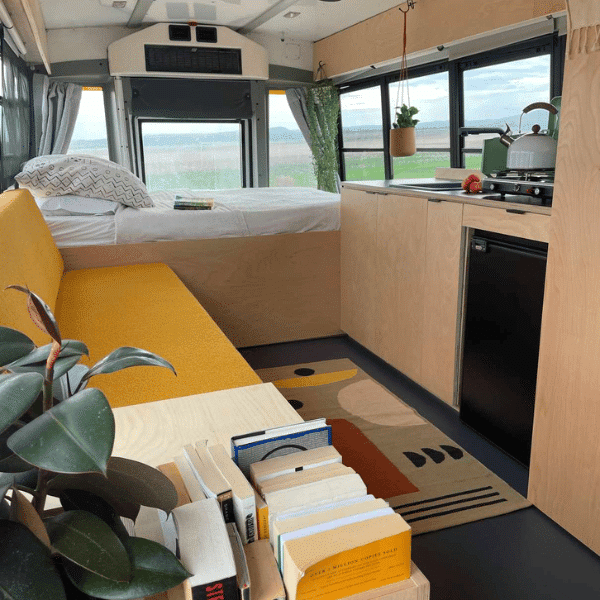
DoorDash, Uber, Instacart, TaskRabbit. The gig economy was practically built for people without a fixed address. You can sign up in a new city, start earning the same day, and stop whenever you want.
Now, gig work isn’t going to make you rich. But it fills the gaps. Need an extra $200 this week because diesel prices jumped? Do a few DoorDash deliveries. Want some spending money while you’re parked in a tourist town? Drive for Uber on the weekends.
The main thing to know about gig work is that it’s supplemental income, not primary income. It works best when combined with one or two other income sources from this list. The flexibility is the selling point. You work when you need money and stop when you don’t.
Selling the Build Itself
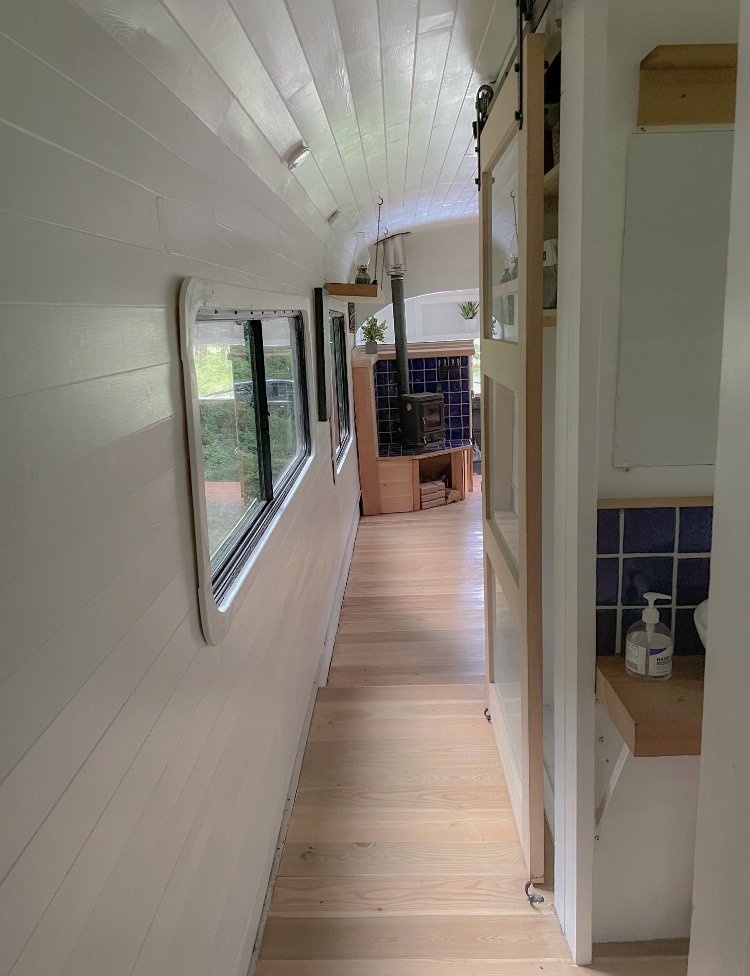
This is the ultimate bus life income play, and it deserves its own section. Some people build a bus, live in it for a year or two, and then sell it at a profit to fund their next adventure. I find this one fascinating because it basically turns your home into a side hustle.
“I am wondering how much money it takes to build this, $130,000??? more?”
People see high-end builds and assume that’s the norm. It’s not. A solid, livable bus conversion can be built for $10,000-$30,000 in materials. If you sell that finished bus for $40,000-$80,000 (which is realistic for a well-built, well-documented conversion), you’ve just made a serious return on your investment. If you want real numbers on the build side, check out our guide to affording a bus conversion on a tight budget.
Some bus lifers have turned this into a repeating cycle: buy a bus cheap, convert it over a few months, live in it, sell it, start over. Is it a lot of work? Absolutely. But each build gets faster and better than the last, and the profit margins improve as you learn what buyers actually want.
Here’s what I keep coming back to. Your bus is not just a home. It’s an asset. And unlike a house that sits on a foundation depreciating in some markets, a well-built skoolie can actually appreciate if you build it right and document the process.
So How Do You Actually Pick?
You don’t have to pick just one. That’s the real secret. Most bus lifers combine two or three of these, maybe remote freelancing as the base income, seasonal work during slow periods, and content creation on the side. The flexibility is the whole point.
Here’s what I’d suggest: start with whatever you’re already good at. If you’ve got a remote-friendly career, lean into that. If you’re handy, start selling your skills. If you’re outgoing and love meeting people, seasonal work and campground hosting are natural fits.
The numbers work like this:
- Monthly bus life expenses: $1,500-$3,000 for most people (fuel, food, insurance, campground fees, maintenance)
- Remote work: $2,000-$8,000+/month depending on the field
- Freelancing: $1,000-$5,000+/month depending on clients and skills
- Seasonal work: $1,500-$3,000/month plus free parking
- Campground hosting: $0-$2,000/month plus free campsite
- CDL driving: $3,000-$6,000/month
- Content creation: $0-$5,000+/month (takes time to build)
- Gig work: $500-$2,000/month supplemental
You’re not trying to replace a $100,000 salary. You’re trying to cover $2,000 a month in expenses with a lifestyle that actually makes you happy. When you frame it that way, the math gets a lot less scary.
I get that figuring out the money side can feel overwhelming. It was probably the thing I spent the most time researching before I felt confident writing about it. But here’s what convinced me: people with way less planning than you are out there making it work right now. They’re freelancing from campgrounds, picking up seasonal gigs in national parks, and running mobile businesses out of their rigs. You’ve already started asking the right questions, and honestly, that puts you ahead of most people. So figure out which two or three options on this list fit your skills, test them out, and adjust as you go. That’s how everyone out there doing this got started, too.
i2n60i