
You’ve found a couple of buses you like, but one’s gas and one’s diesel. The diesel costs more. Is it worth the extra cash, or is gas good enough for a conversion?
Go diesel if you can afford it. Diesel school bus engines last 300,000-500,000 miles versus 150,000-250,000 for gas. They get better fuel economy (8-12 MPG vs 6-8 MPG for gas), produce more torque for pulling heavy loads, and hold their value better. The only advantages gas has are cheaper upfront purchase price and slightly cheaper maintenance at independent shops. For a full-time build you plan to live in for years, diesel is the better investment.
Gas vs Diesel Maintenance: What’s Actually Different?
I spent a lot of time talking to bus mechanics before we bought ours, and the thing that stuck with me was how one guy put it: “A diesel engine in a school bus is loafing. A gas engine is working for a living.” That pretty much sums up the whole debate.
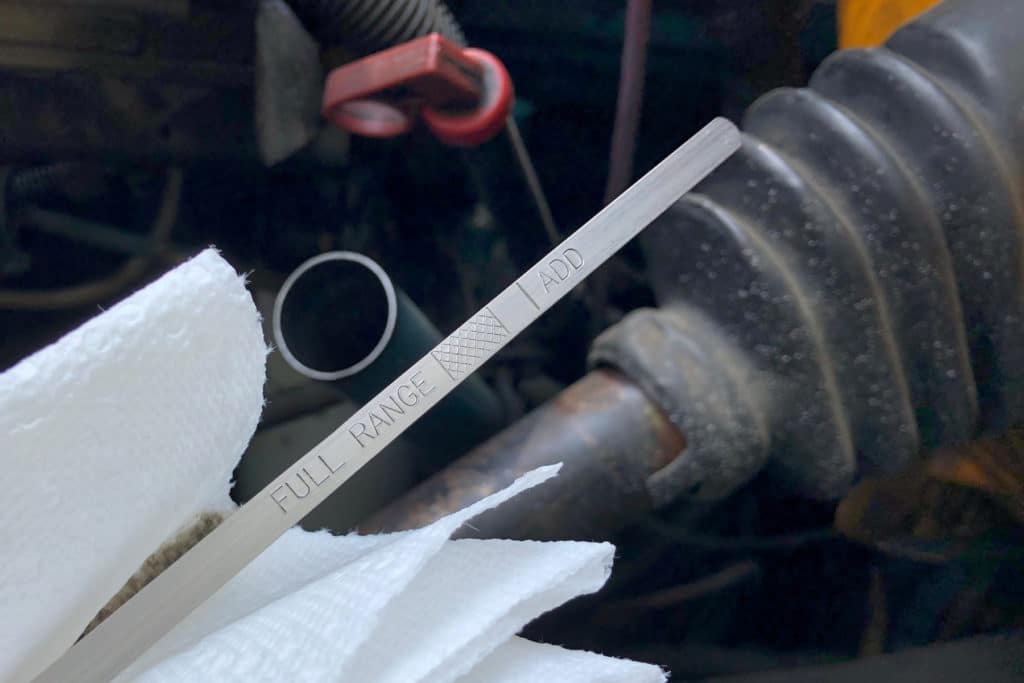
Diesel maintenance involves oil changes ($50-$100 DIY, $150-$300 at a shop), fuel filter changes ($20-$50 DIY), and coolant service every 2-3 years. Diesel mechanics charge more per hour, and diesel-specific parts like injectors, turbos, and high-pressure fuel pumps are more expensive when they do need replacing. But here’s the thing, they need replacing far less often. I’ve talked to owners running DT466 engines past 400,000 miles on basic maintenance alone.
Gas maintenance is cheaper per visit. Oil changes cost less, parts are available at any auto store, and any mechanic can work on a gas engine. But gas engines in buses wear out faster because they’re working harder to move the same weight. A gas V8 in a bus is near its capacity. A diesel is barely breaking a sweat. If you want a deeper look at how long school bus engines actually last, we’ve got a full breakdown.
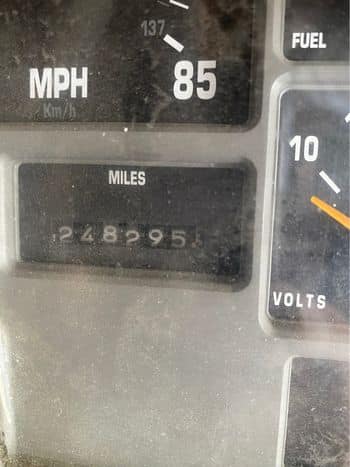
For a weekend project bus that you’re not putting many miles on, gas is fine. For a full-time build that’s going to see 5,000-15,000 miles per year for 5-10 years, diesel pays for itself in longevity and fuel savings.
Do All Buses Run on Diesel?
No, not all. Short buses especially come in both gas and diesel. The most common gas engines in school buses are the Ford 6.8L V10, Chevy 6.0L V8, and the older Ford 7.5L V8.
Most full-size buses (Type C and Type D) are diesel because the torque requirements demand it. Hauling 40 kids up a hill every morning requires low-end torque that diesel engines excel at. Gas engines can do it, but they work harder and burn more fuel in the process.
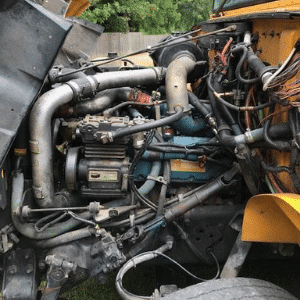
The diesel engines you’ll find in school buses — the DT466, Cummins 5.9/8.3, Cat 3126/C7, and the 7.3 Navistar — were all designed for commercial heavy-duty use. They’re overbuilt for the job, which is why they last so long. I actually put together a full guide on the 7 best engines you’ll find in school buses if you want to know which ones to look for and which to avoid.
What About Short Buses? Does Diesel Still Win?
This is where the gas vs diesel conversation gets more interesting. Many short buses (Type A) came with gas engines, the Ford 6.8L V10 or Chevy 6.0L V8, and they’re perfectly serviceable for a smaller, lighter build.
A short bus weighs less and has a smaller build, so the engine isn’t working as hard. A gas V10 in a 22-foot short bus is way less stressed than the same engine would be in a 35-foot full-size. Fuel economy on a gas short bus runs 8-12 MPG, which honestly isn’t terrible.
If you find a diesel short bus (some came with the 6.0L Power Stroke, 7.3L Power Stroke, or a Mercedes diesel), grab it. But don’t pass up a solid gas short bus just because it’s not diesel. For a smaller build with lower miles, gas works fine.
And if you’re worried about finding diesel fuel, don’t be. Every gas station has it. That concern is mostly a rural myth from 20 years ago.
Front Engine vs Rear Engine: Which Layout Works Better?
I remember looking at a rear-engine pusher at an auction and thinking it was the coolest thing I’d ever seen. Flat front, tons of interior space, quiet cab. Then I crawled underneath to look at the engine and realized I’d need a mechanic on speed dial just to change the oil. That experience taught me a lot about what matters in a daily driver versus what looks cool on paper.
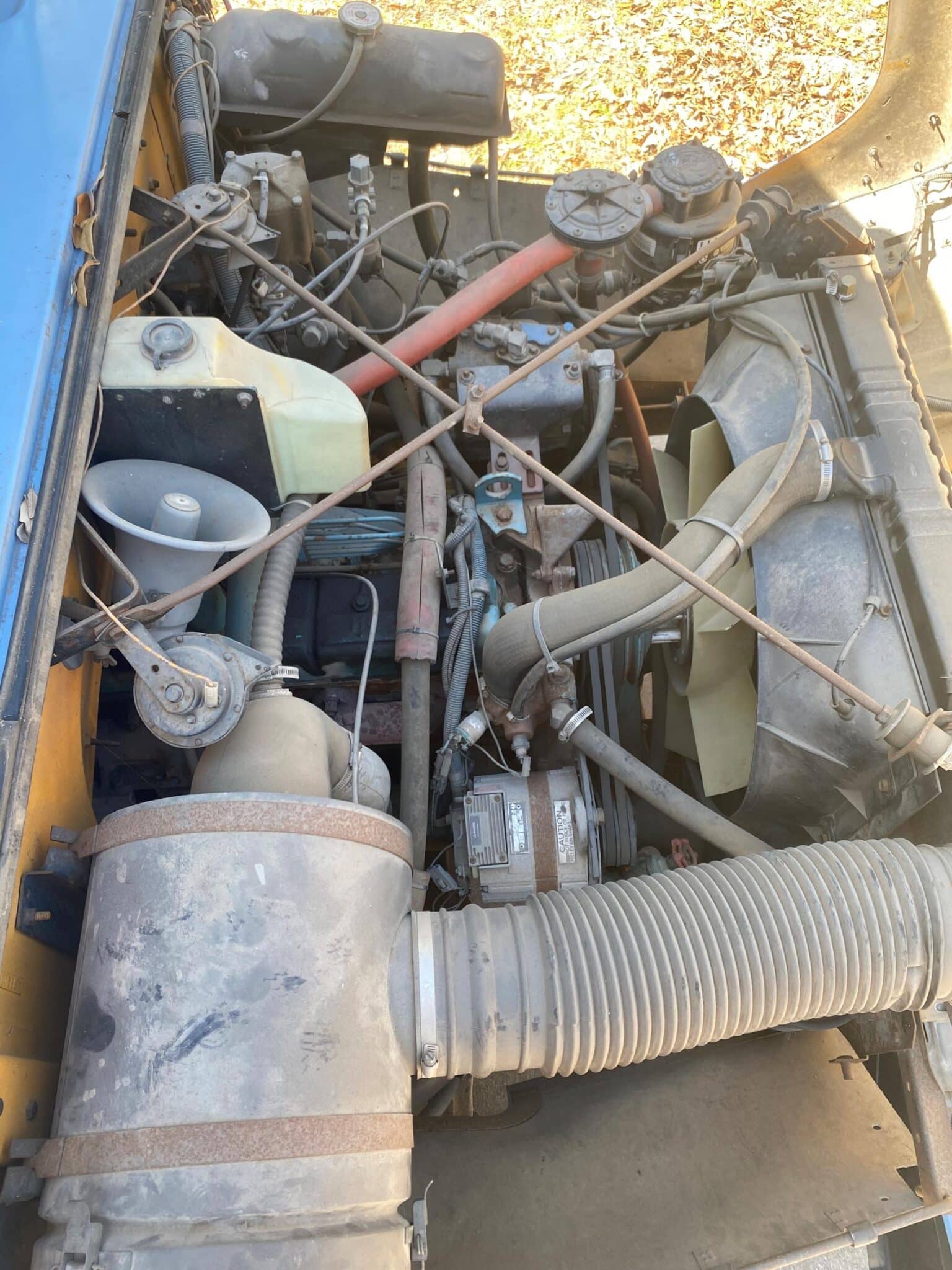
Front engine (Type C, “dog nose” buses) — the engine is under a hood in front of the driver. Easy to access for maintenance, parts are cheap and everywhere, and you get a flat rear wall for your build layout. The downside is engine noise and heat in the cab while driving.
Rear engine (Type D, “flat front” or “pusher” buses) — the engine is in the back, under or behind the rear axle. Quieter cab, more space up front, and a lower floor throughout. But they’re harder to access for maintenance, you lose some rear interior space to the engine compartment, and rear-engine buses tend to cost more. We wrote a full comparison of front engine vs rear engine buses if you want all the details.
For most skoolie builders, the front-engine Type C is the sweet spot. It’s the most common, cheapest, and easiest to work on. Rear-engine buses are great if you can find one at the right price, but I wouldn’t pay a premium unless the quiet cab really matters to you.
Gearing Matters More Than You’d Think
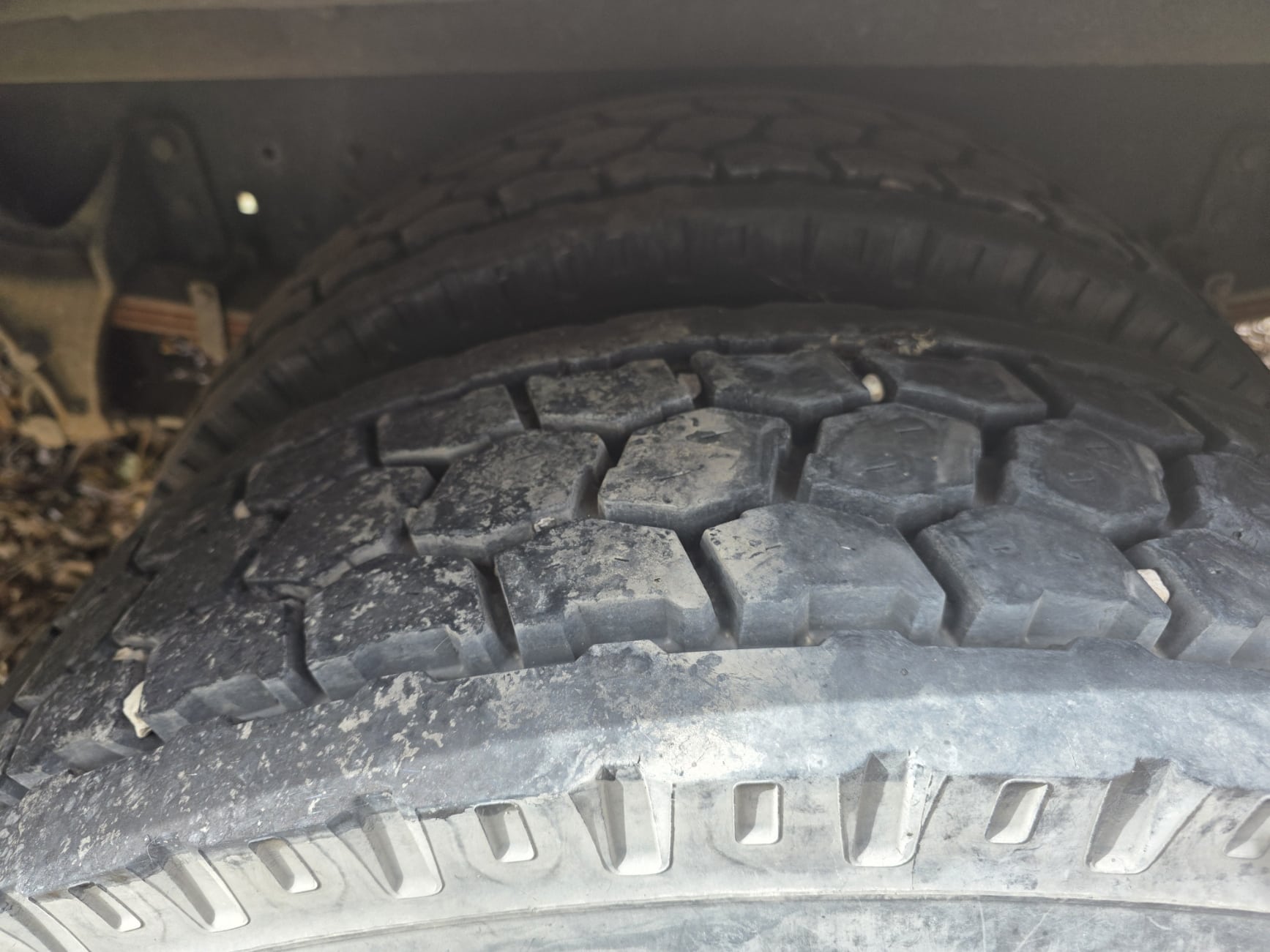
This one catches a lot of first-time buyers off guard. School buses were geared for their original route, either mountain roads or highway routes, and that gearing stays with the bus forever unless you pay to change it.
Mountain gears (5.29 or 5.57 ratio): Great low-end power for climbing hills. Terrible on the highway. Your bus will top out at 50-60 MPH and the engine screams at high RPM. If you plan to do any highway driving, mountain gears get old fast.
Highway gears (4.10 or 4.33 ratio): You can cruise comfortably at 60-70 MPH. But climbing steep grades means downshifting, slower speeds, and working the engine harder.
Check the rear axle ratio before you buy. It’s often on a sticker inside the driver’s door or on the axle itself. If you’re looking at a mountain-geared bus and plan to travel highways, you can have the axle gears changed, but it’ll run $1,500-$3,000 at a truck shop. I’ve got more detail on this in the mountain gears vs highway gears article.
So What Should You Actually Buy?
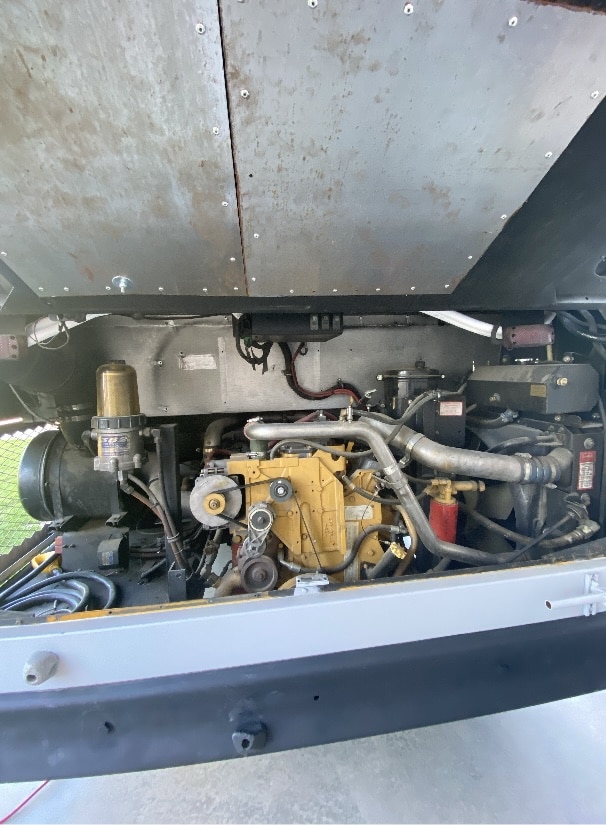
If you’re building a full-time rig and you can swing the extra cost, go diesel. I’d pick a DT466, Cummins 5.9/8.3, or 7.3 Navistar every time. Those engines were built for this kind of work, and they’ll still be running long after a gas engine would’ve needed a rebuild. Pair that with a front-engine Type C on highway gears, and you’ve got yourself a solid foundation for a build that’ll last years.
If you’re doing a short bus build, a weekend warrior, or you found a great deal on a gas bus with low miles, don’t overthink it. Gas is fine for lighter, lower-mileage use. I’ve seen plenty of great conversions on gas V10 short buses that run just fine.
The most important thing is buying a bus with a solid mechanical inspection behind it, regardless of what fuel it burns. A well-maintained gas bus beats a neglected diesel every single time. Don’t get so hung up on the engine type that you forget to check whether the bus was actually taken care of.
19upd8