
I remember sitting down with a spreadsheet trying to figure this out before I committed to anything. Every YouTube video I watched seemed to give a different number, and half of them were clearly lowballing it. So I decided to actually dig into what real people spent, not just what they claimed in their video titles, and the numbers told a pretty clear story.
A basic skoolie conversion runs $10,000-$20,000 for a livable build on a short bus, or $20,000-$40,000 for a full-size bus. A mid-range build with nice finishes, solar power, and a full bathroom lands between $30,000-$60,000. High-end builds with custom everything can hit $80,000-$150,000+. The bus itself costs $2,000-$8,000 on top of that. Most people underestimate their budget by 30-50%, so whatever number you’re thinking — add a cushion.
How much did this cost to build? And how much does a school bus cost?
The bus and the build are two separate costs, and a lot of people blur them together which makes the numbers confusing. Let me break them apart.
The bus itself: $2,000-$8,000 from government auctions or private sellers. A decent 2000-2010 diesel from a school district runs $3,000-$5,000. Short buses are often cheaper at $2,000-$4,000. I’ve got a whole guide on where to buy a school bus if you’re still shopping.
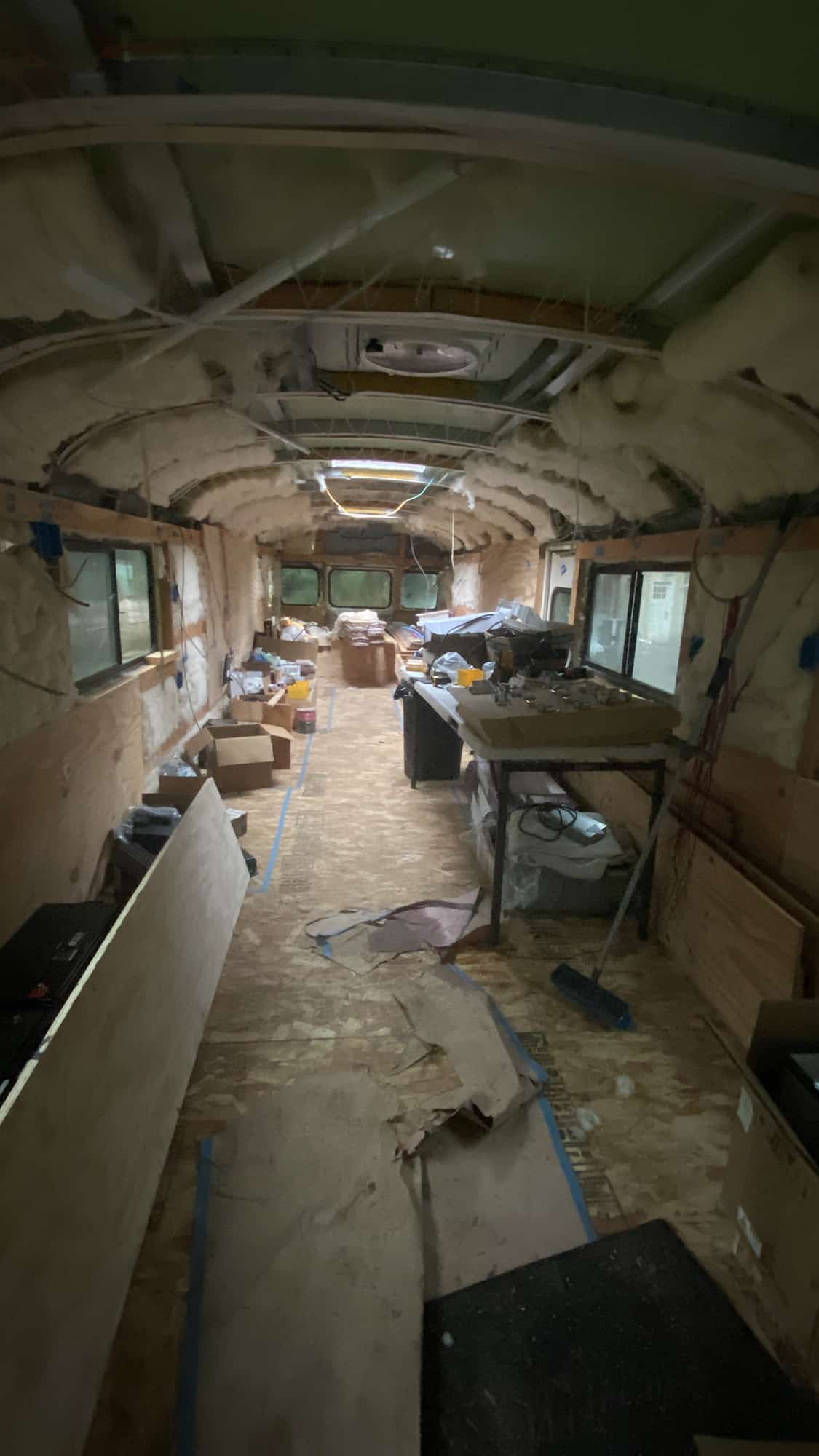
The conversion is where it gets real. Here’s a rough breakdown for a full-size bus mid-range build based on what I’ve seen people actually spend:
- Insulation and framing: $500-$1,500
- Electrical (solar, batteries, inverter, wiring): $3,000-$8,000
- Plumbing (freshwater tank, pump, water heater, gray tank): $1,000-$3,000
- Flooring: $500-$1,500
- Walls and ceiling: $500-$2,000
- Kitchen (cabinets, countertops, stove, fridge): $2,000-$5,000
- Bathroom (toilet, shower, fixtures): $1,000-$3,000
- Bed and furniture: $500-$2,000
- Windows and ventilation: $500-$2,000
- Paint exterior: $200-$1,000
- Miscellaneous (hardware, sealant, tools, unexpected stuff): $2,000-$5,000
Total range for a solid full-size build: $12,000-$35,000 in materials. And I can’t stress this enough, that miscellaneous line is where most people blow their budget. The $15 tube of silicone sealant, the $200 in screws and brackets, the $400 tool you had to buy for one specific job. It all adds up faster than you expect.
Did you build this yourself or hire a contractor?
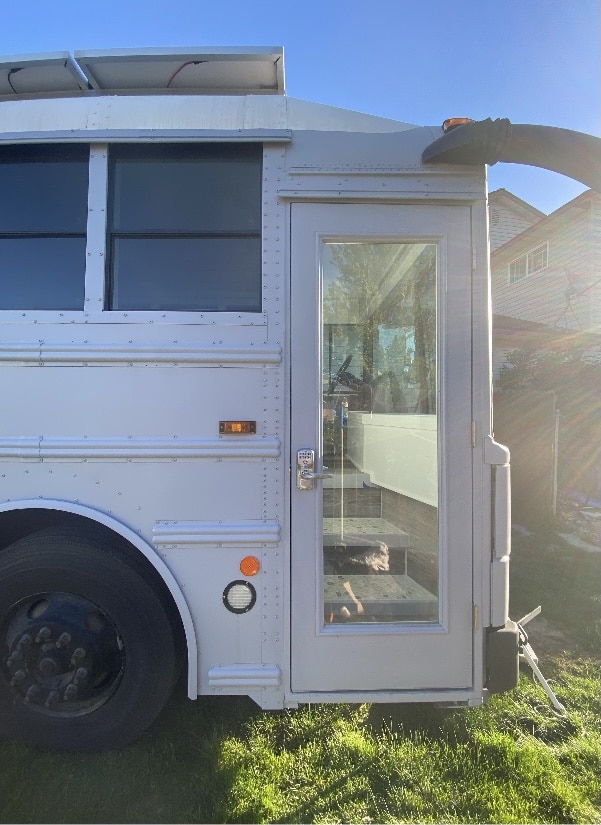
Most skoolie builds are DIY. That’s the whole appeal — you build exactly what you want, and you save massively on labor costs. A professional build shop can charge $50,000-$150,000+ for a full turnkey conversion, and at that point the cost advantage over buying an RV starts to disappear.
If you hire a contractor for parts of the build, say electrical and plumbing, expect $2,000-$5,000 in labor for each trade. Some people DIY everything except the electrical, which is honestly smart if you’re not confident in wiring. A bad wiring job can burn down your bus, so that’s one area where spending money on a professional can be worth every penny.
And here’s something I noticed after watching dozens of build videos. The YouTube builds that look like they cost $20,000? They probably cost $35,000 when you add in the tools they bought, the materials they don’t mention, and the mistakes they had to redo. Everyone lowballs their final number, whether they mean to or not. Be honest with yourself about the real total.
For how much you paid for the bus and the conversion, wouldn’t it be cheaper to just buy an RV?
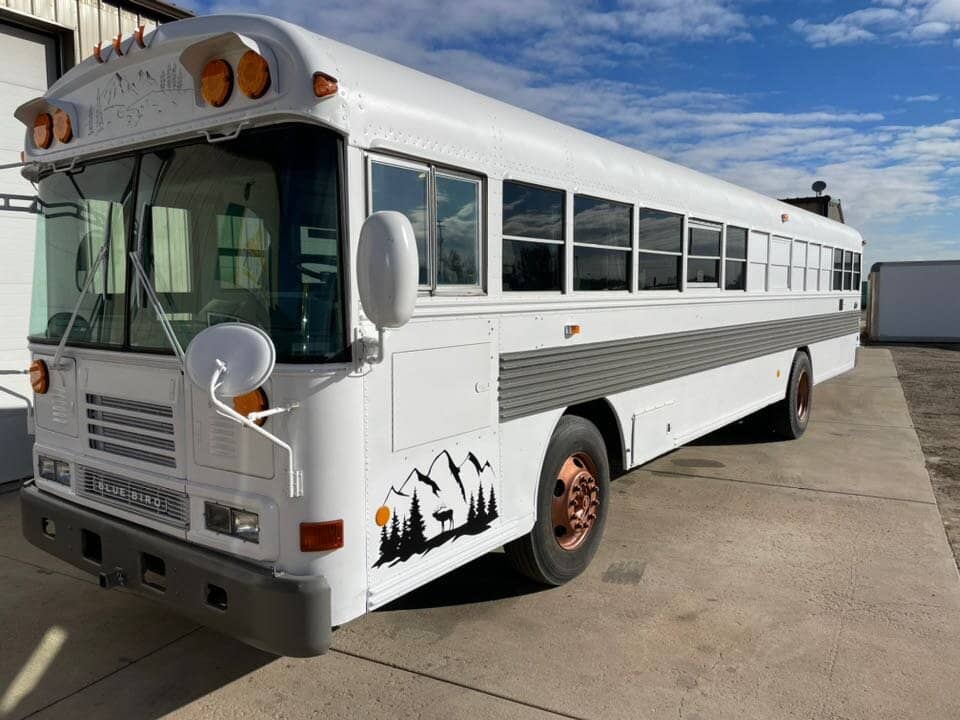
I get asked this constantly and the answer depends entirely on what you’re comparing. A new Class A motorhome costs $80,000-$300,000+. A used one in good shape runs $20,000-$60,000. A skoolie conversion for $30,000-$50,000 total gets you more living space than most RVs in that price range. I wrote a detailed comparison of skoolie vs RV costs if you want the full breakdown.
Where the RV wins: it’s move-in ready. No months of building. No learning curve. No weekends covered in sawdust. Where the skoolie wins: customization. You build exactly the layout you want, with the materials you choose, at a fraction of the cost. A 35-foot skoolie has more interior space than a 35-foot Class A because the bus body is wider.
The real hidden cost of an RV that nobody talks about is depreciation. A new RV loses 20-30% of its value in the first year. A skoolie typically holds its value or even appreciates if the build is well done. I’ve seen people sell finished builds for more than they spent, which is basically unheard of in the RV world.
That’d be as expensive as a house. Why not buy a house and build equity?
In some markets, sure. If you’re building a $150,000 skoolie, you could have put that toward a house. But most skoolie builds land between $20,000-$50,000 total. Try buying a house for that in 2024. You can’t, unless you’re looking at some very specific rural markets.
The people choosing bus life aren’t just doing it to save money, though many do save a lot. They’re choosing mobility, freedom from a mortgage, lower monthly expenses, and a lifestyle that doesn’t tie them to one place. I know people who sold their house, built a bus, and banked the difference. They’re not building equity in a house, but they’re also not paying a $2,000/month mortgage.
Monthly costs after the build are the real comparison. A skoolie owner with no mortgage pays maybe $500-$1,500/month total for insurance, fuel, food, and campsite fees. That’s hard to beat in most housing markets.
What price do you need to be prepared to spend to build one?
Here’s the honest answer based on what most people actually spend, not what they tell their friends they spent.
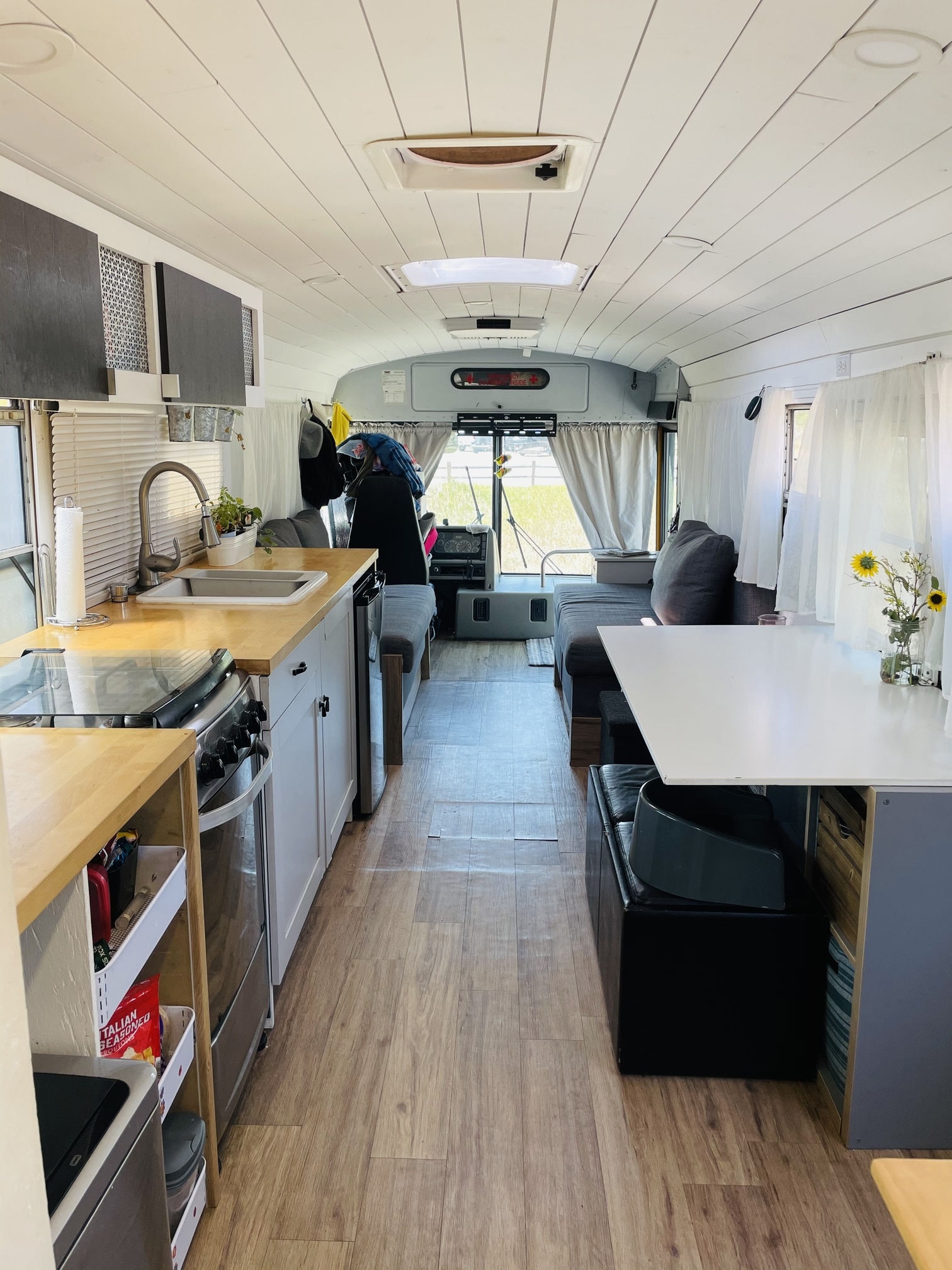
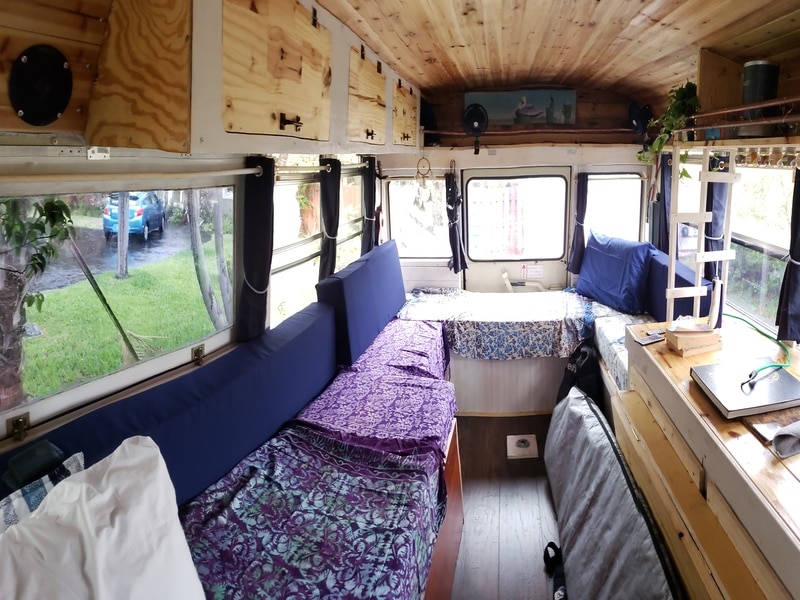
Budget build: $10,000-$20,000 total (bus + build). Basic but livable. Minimal solar, composting toilet, simple kitchen. Good for testing the lifestyle before you go all in.
Mid-range build: $25,000-$50,000 total. This is where most builds land. Good solar system, full bathroom, nice kitchen, comfortable bed, proper insulation. You could live in this full-time for years and not feel like you’re roughing it.
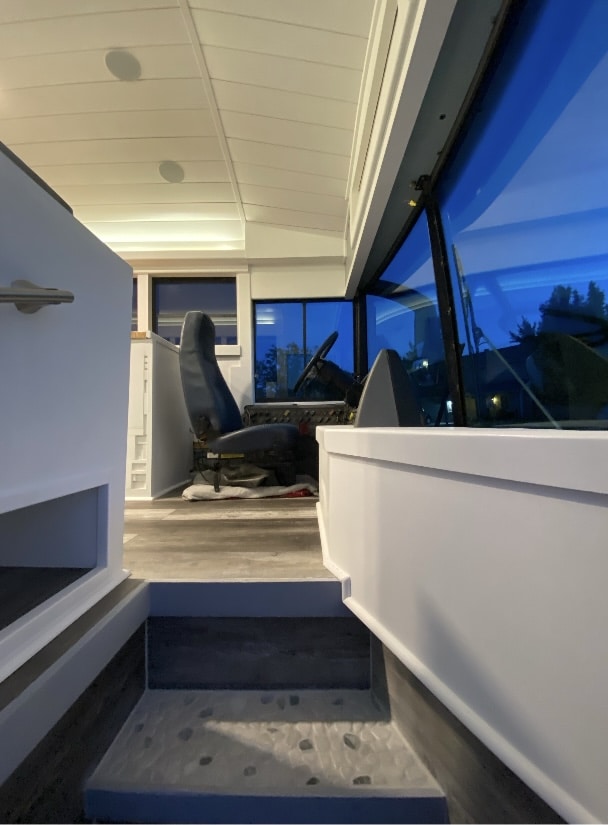
High-end build: $50,000-$100,000+. Custom cabinetry, lithium batteries, large solar array, washer/dryer, high-end appliances, professional paint. The kind of build that makes people stop and take photos when you’re parked somewhere.
Whatever number you land on, add 30% as a buffer. Something always costs more than planned. The electrical system that was supposed to be $3,000 ends up being $5,000 once you add the second battery and the bigger inverter. Every single builder I’ve talked to has this story. Plan for it and you won’t be stressed when it happens.
The Bottom Line
After tracking costs across dozens of builds, here’s what I keep coming back to. Most real-world skoolie conversions cost $30,000-$50,000 total when you’re honest about every dollar including the bus, the tools, the mistakes, and the stuff you forgot to budget for. That’s still dramatically cheaper than a comparable factory RV, and the monthly living costs afterward are where the real savings pile up.
If you’re on a tight budget, you can absolutely build a livable bus for $15,000-$20,000. It won’t be Instagram-perfect, but it’ll be yours and it’ll work. And if you’ve got more to spend, the sky’s the limit, just remember that the most expensive builds don’t always make the happiest owners. Some of the best buses I’ve seen were built on modest budgets by people who were just creative with their money.
dgd74s