
You’ve seen the beautiful builds and the summer road trip videos. But what happens when it’s 15 degrees outside and your home is a giant steel tube? Can you actually live in a bus through winter?
Yes, you can live in a skoolie year-round, even in cold climates, if your insulation and heating are solid. The key is proper insulation (closed-cell spray foam is the gold standard), a reliable heat source (diesel heaters like Webasto or Espar are the most popular), and managing condensation. Most skoolie owners who’ve done a winter say the bus stays surprisingly warm because the small space heats up fast. The challenge isn’t staying warm. It’s managing moisture and keeping pipes from freezing.
Can you or do you have insulation for very cold weather? Or is this just for warm climate?
A properly insulated skoolie handles cold weather just fine. I spent a lot of time talking to builders about this one, and the consensus is clear: it’s not just about stuffing insulation into the walls. You’ve got to do it the right way.
Closed-cell spray foam is what most serious builders use, and honestly, after everything I’ve researched, I’d go with it too. It’s applied directly to the metal walls and ceiling of the bus, creating an air-tight barrier. It has the highest R-value per inch (R-6 to R-7), blocks moisture from reaching the cold metal, and adds structural rigidity to the bus. Cost runs $1,500-$4,000 to have a full-size bus professionally sprayed, or $500-$1,500 DIY with spray foam kits. We’ve got a full breakdown of skoolie insulation options if you want to dig deeper into that.
Rigid foam board (XPS or polyiso) is the budget alternative. You’re looking at R-5 per inch for XPS, R-6 for polyiso. You cut pieces to fit between the bus ribs and seal edges with spray foam. It works well but leaves more gaps than full spray foam coverage.
Fiberglass and Rockwool? They’re cheaper, sure, but they trap moisture against the bus metal. That leads to rust and mold. Most experienced builders avoid them for bus walls, and I think that’s the right call.
Don’t forget about the floor and ceiling either. Insulate the floor with rigid foam board before laying your subfloor. The ceiling gets spray foam or rigid board between the ribs. And the wheel wells are a massive cold spot if left uninsulated. I’ve heard from more than one builder who skipped the wheel wells and regretted it by January.
How do you keep the engine warm during sub-freezing temperatures? Do you need an engine block heater?
So here’s a conversation I had that really stuck with me. I was talking with a guy who’d spent two winters in his skoolie up in Vermont. He told me about this morning where it was negative 12 outside, and his bus wouldn’t start. Just cranked and cranked. He’d skipped the block heater because he figured the bus was tough enough. After a $200 tow and a very cold afternoon, he went straight to his mechanic and had one installed. “Best $150 I ever spent,” he said. And honestly, that story sold me on it.
An engine block heater plugs into a standard 120V outlet (from shore power or a generator) and keeps the engine coolant warm. Cold starts in sub-zero temps are brutal on diesel engines, and a block heater makes them easy. Most school buses already have a block heater port. If yours doesn’t, a mechanic can install one for $100-$300.
Beyond the block heater, use winter-grade diesel fuel or add an anti-gel additive when temps drop below 20 degrees F. Diesel fuel can gel in extreme cold, which clogs the fuel filter and kills the engine. A $10 bottle of anti-gel prevents a $200 tow truck call. That’s just basic math.
Keep batteries charged too. Cold drains battery power fast. A battery tender on shore power keeps them topped off. If you’re off-grid, your solar system handles this during the day, but you might need a generator backup for extended cloudy cold snaps.
I just want to know isn’t the gas expensive, and what do you do in freezing temps living in it? These two questions keep me stalled.
I get it. These are the two questions that come up in every bus life forum, every comment section, every time we post about winter. Fuel cost is covered in our gas mileage article, but heating cost in winter is the relevant part here. And the answer depends on your heat source.
Diesel heater (Webasto/Espar): These pull from your bus’s fuel tank and burn about 0.1-0.3 gallons of diesel per hour. Running one all day in freezing weather costs $3-$8/day in fuel. For a month of cold weather, that’s $90-$240. These are the most popular option because they’re efficient, safe, and run on fuel you already carry. I think they’re the best all-around choice for most builds.
Propane heater: A Mr. Buddy heater or built-in propane furnace burns propane at about $3-$6/day in cold weather. A 20-pound propane tank lasts 2-4 days running a heater frequently. Monthly cost: $50-$150 in propane. Not bad, but you’re refilling tanks a lot.
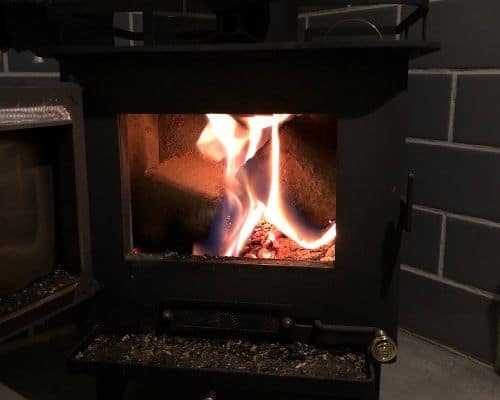
Wood stove: Free if you gather wood, $5-$10/day if you buy it. Cozy and there’s nothing like it on a cold night. But it creates insurance complications and requires constant tending. Not practical for overnight heat, because the fire goes out while you sleep. We cover all of these options side by side in our skoolie heating comparison.
Electric heater on shore power: The cheapest option when plugged in, just pennies per hour. But it only works at campgrounds with 30/50 amp hookups.
What about the water pipes? How do you keep water and pipes from freezing?
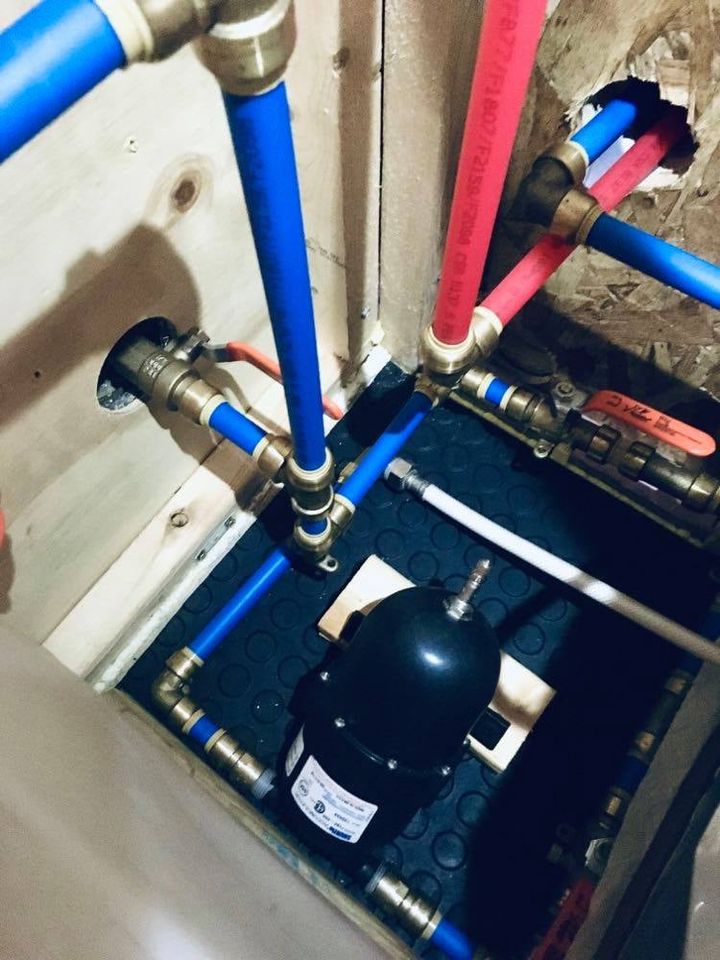
Alright, this is the real winter challenge. Staying warm is actually the easy part once your insulation and heater are in place. Keeping your water system from turning into an ice sculpture, that’s where it gets tricky.
Keep your freshwater tank inside the bus, not underneath. Interior tanks benefit from your cabin heat and won’t freeze unless you let the bus get to 32 degrees F inside, which shouldn’t happen if you’re heating it. If you’re still planning your plumbing and water system, think about tank placement early. It’s way easier to get this right during the build than to fix it later.
Wrap any exposed pipes with heat tape. That’s electric tape that keeps pipes above freezing. Run it along any pipes in exterior walls, under cabinets near the floor, or anywhere that might get cold. Heat tape costs $20-$40 and runs off 120V.
Your gray water tank under the bus will freeze. Some people insulate it and add a tank heater. Others just open the valve and let gray water drain directly onto the ground (where legal) so there’s nothing in the tank to freeze. I’ve seen both approaches work, and honestly the “just let it drain” method is simpler if your local rules allow it.
Carry extra water. If something does freeze, you want a backup. A few 5-gallon jugs of water stored inside the bus means you’re never completely without water. We have a whole article on preparing your skoolie for winter that goes deeper on all of this.
The Bottom Line
Winter bus life is totally doable with the right prep, and I’d argue the small space is actually an advantage here. You’re heating maybe 200 square feet instead of 1,500. That’s a lot less volume to keep warm. A good layer of closed-cell spray foam, a diesel heater pulling $3-$8 a day in fuel, and some common sense about your water system, and you’re set. The condensation thing is real though. Crack a window, run a vent fan, and wipe down cold surfaces when you see moisture building up. It’s one of those things that doesn’t sound like a big deal until you wake up to water dripping from the ceiling. But once you’ve got a routine for it, winter in a bus can be genuinely cozy. I’ve talked to enough people who’ve done it to believe that.