
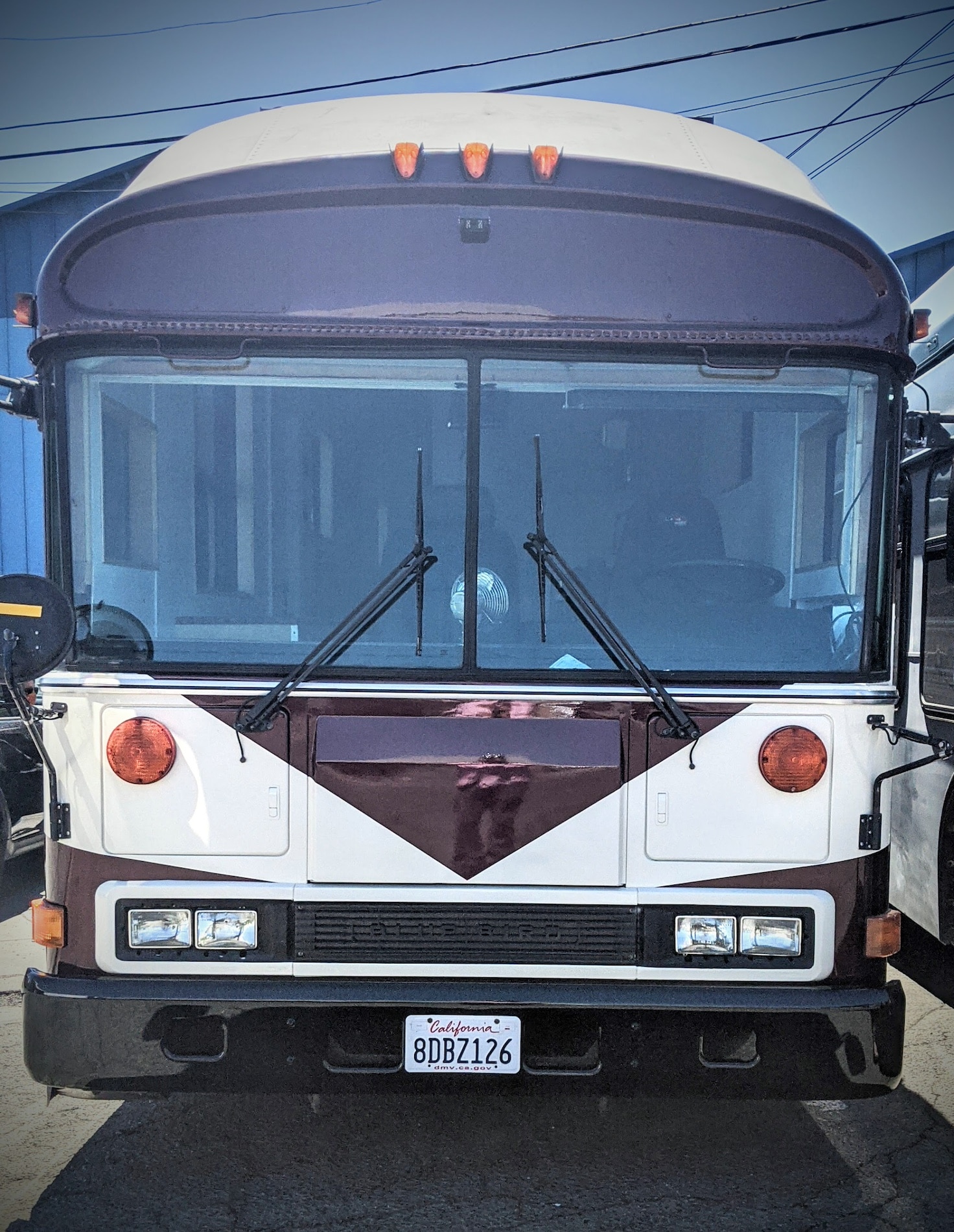
When I first started looking into getting my skoolie, this was one of the first questions I had to figure out. I mean, nobody wants to drop thousands on a bus only to find out they can’t legally drive it home. So I dug into it, and I’ll be honest, the amount of conflicting information out there almost made my head spin.

No, you almost certainly don’t need a CDL to drive a converted school bus. The magic number is 26,001 pounds GVWR. If your bus is under that and you’re using it as a personal vehicle, a regular Class C or Class D license covers you in most states. Once you pull the seats and re-title it as an RV or motorhome, you’re driving a recreational vehicle, not a commercial one.
Do you need a CDL license despite the bus being your residence and not for commercial use?
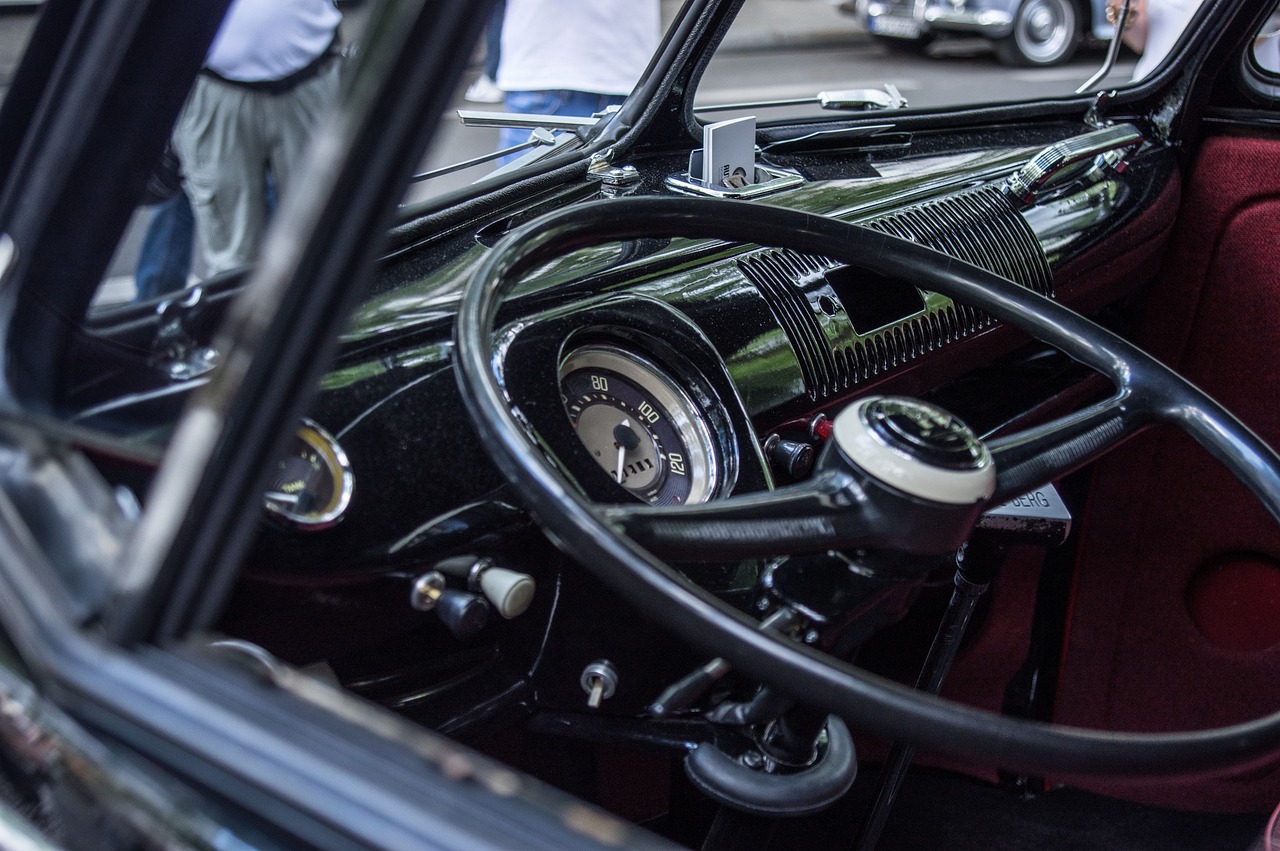
This was the thing that kept tripping me up when I was researching. A CDL is a Commercial Driver’s License, and that word “commercial” is doing all the heavy lifting here.
When you convert a school bus into your home, it stops being a commercial vehicle. You’re not hauling passengers for money. You’re not running a bus route. You’re driving your house to the grocery store. And once I understood that distinction, the whole CDL question got a lot less scary.
Most states see it the same way. Once you re-title the bus as an RV or motorhome, it’s treated the same as any Class A or Class C motorhome you’d buy off a dealer lot. Nobody’s asking the guy in the $400,000 Prevost motorhome for a CDL, and that thing is way bigger than most skoolies.
If it has air brakes, will you need a Class B CDL?
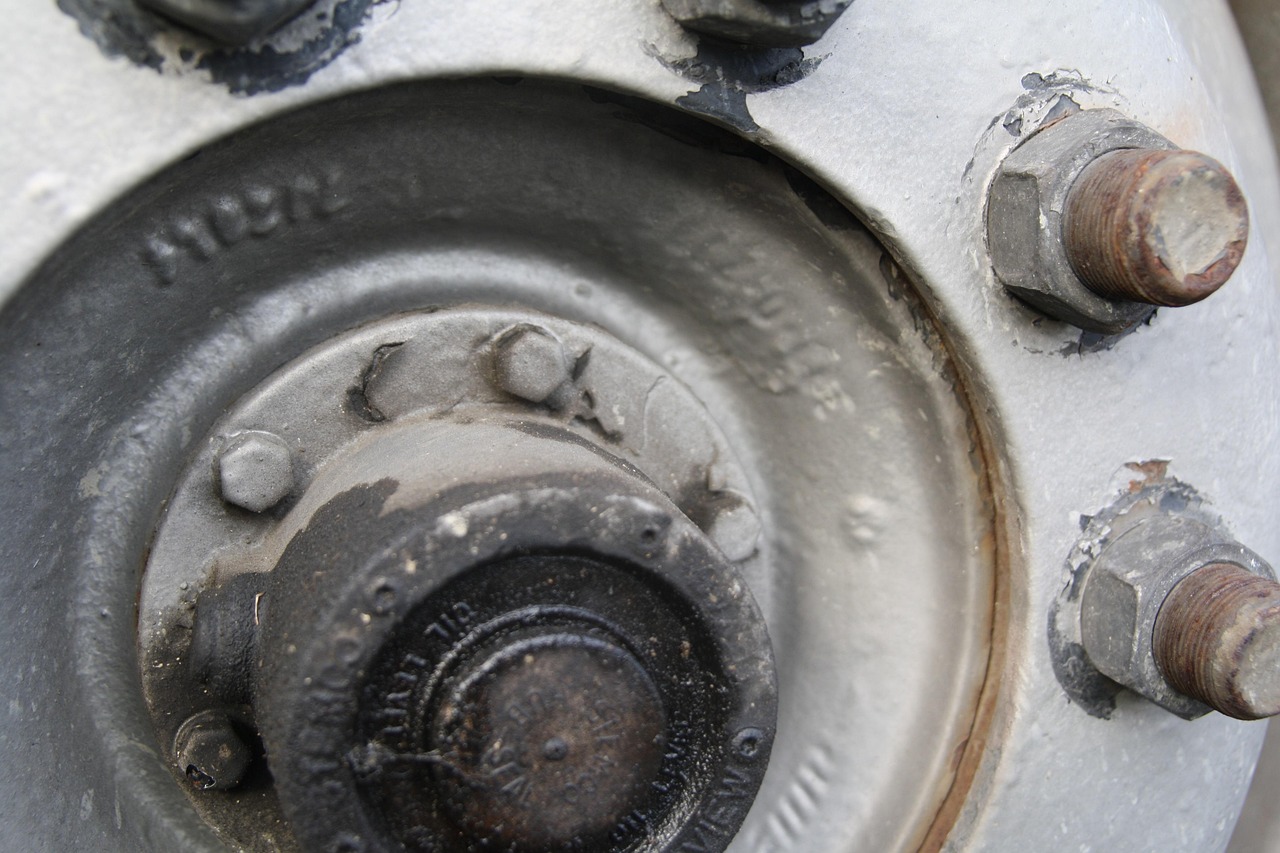
This one tripped me up for a while because air brakes sound intimidating. I kept seeing forum posts where people were freaking out about it. But here’s what I found out, in most states, air brakes on a personal vehicle don’t trigger a CDL requirement by themselves.
It still comes back to weight and commercial use. Some states do have an air brake endorsement for non-CDL drivers, but when I looked into it, it’s basically a simple knowledge test. Not a full CDL course. You study for a couple hours, go take the written test, and you’re done.
That said, if your bus has a GVWR over 26,000 pounds, which some full-size transit buses and coach buses do, you may actually need a CDL or a non-commercial Class B license regardless. I found that California and Pennsylvania especially have their own quirks, so always check your specific state’s DMV rules before assuming anything.
Do you need a CDL for a bus if you take most of the seats out?

So this is one of those questions where the answer is kind of a “yes and no” situation. Removing the seats doesn’t directly change the CDL requirement, what matters is the GVWR stamped on the bus and whether it’s used commercially. But pulling the seats is a critical step in the re-titling process.
What I learned is that in most states, you need to remove the passenger seats before the state will even let you re-title the bus as an RV. And once it’s re-titled, the CDL question goes away for most buses because now it’s classified as a personal recreational vehicle.
So while pulling the seats doesn’t technically change the license requirement on its own, it’s part of the process that gets you to “no CDL needed.” I think of it as step one in a chain reaction.
How do people with a normal driver’s license even buy these and drive them home?

This is one of those things that caught me off guard when I was first getting into this. I kept wondering, wait, how does anyone actually do this? Here’s what I found out most people do.
You check the GVWR on the bus before buying. It’s on a sticker inside the driver’s door jamb or on the VIN plate. If it’s under 26,001 pounds, which covers most Type C school buses (the ones with the dog-nose hood) and all short buses, you can legally drive it home on your regular license in most states.
Some people buy a bus that’s technically still titled as a commercial vehicle and drive it home before re-titling. Technically, this is a gray area. Practically, from what I’ve gathered, most people do it without issues. The bus isn’t yellow anymore (or won’t be for long), and you’re not picking up kids.
If your bus is over 26,000 GVWR though, you’ve got a few options. Have the seller deliver it, hire a transport company, or yes, get a CDL. CDL school runs about $3,000-$7,000 and takes 3-7 weeks.
Was getting a CDL a major obstacle? Is it worth getting one just to drive the bus home?

For most skoolies, you won’t need one at all. But if you’ve got your heart set on a full-size coach bus or a big transit bus that’s over 26,000 GVWR, you need to do the math.
CDL school costs $3,000-$7,000. That’s a real chunk of money just to drive a bus home once. When I was weighing the options, the alternatives seemed way more practical for most people. Get the bus delivered ($1-$3 per mile), find a friend with a CDL, or just pick a bus that’s under the weight threshold.
Now here’s the thing that actually changed my perspective on this. Some people get the CDL not just for the bus, but because it opens up job opportunities on the road. Driving for charter companies, delivery jobs, seasonal work. If you’re going full-time bus life and need income flexibility, a CDL pays for itself pretty fast. But if it’s just to drive your skoolie home one time? Probably not worth it.
Do you not need a special driver’s license to drive buses in the US?

Not if it’s your personal vehicle and it’s under 26,001 pounds GVWR. That’s really the whole answer, and it surprised me when I first found out.
The confusion comes from other countries where bus-size vehicles always require a special license regardless of use. I had people asking me about this from the UK and Australia where the rules are completely different. In the US, the system is based on weight and commercial purpose. A 35-foot Class A motorhome that weighs 24,000 pounds? Regular license. A school bus converted to an RV at 22,000 pounds? Same deal.
The exceptions are few, but they’re worth knowing. New York requires a special non-CDL Class B for vehicles over 10,000 pounds in some cases. California has its own set of rules for anything with air brakes. I’d honestly recommend calling your state DMV directly, because even the websites can be outdated.
How much does CDL school cost, and is it really necessary?
CDL training runs $3,000-$7,000 for most programs and takes 3-7 weeks. Some community colleges offer programs for less, which is something I didn’t know until I started really digging into it. You’ll need to pass a written knowledge test, a skills test, and a road test.
But here’s the thing, the vast majority of skoolie owners never get a CDL. They don’t need one. If your converted bus is under 26,001 pounds GVWR and titled as an RV, you’re covered by your regular license in almost every state.
Save that $3,000-$7,000 for your build. You’ll need it more for solar panels and insulation than for a license you probably don’t need.
The Bottom Line
So here’s where I landed after all my research. Most skoolies don’t require a CDL, the magic number is 26,001 pounds GVWR and you’d be surprised how many buses come in well under that. The CDL requirement is about commercial use and weight, not about what the vehicle looks like or used to be.
Re-titling your bus as an RV removes the commercial classification entirely, and that’s really the key step in this whole process. But I’d strongly recommend checking your specific state’s DMV, because a few states like New York, California, and Pennsylvania have their own rules that don’t follow the general pattern.
If your bus happens to be over 26,000 GVWR, think about delivery, a friend with a CDL, or honestly just a different bus before you commit $3,000-$7,000 to CDL school. And air brakes alone don’t usually require a CDL, though some states want an air brake endorsement which is basically a simple written test.
That’s what I found. Your state might have some quirk I didn’t cover, so do your homework before you buy.
cnba81
8glvun
Thank you so much for sharing your research 😊