
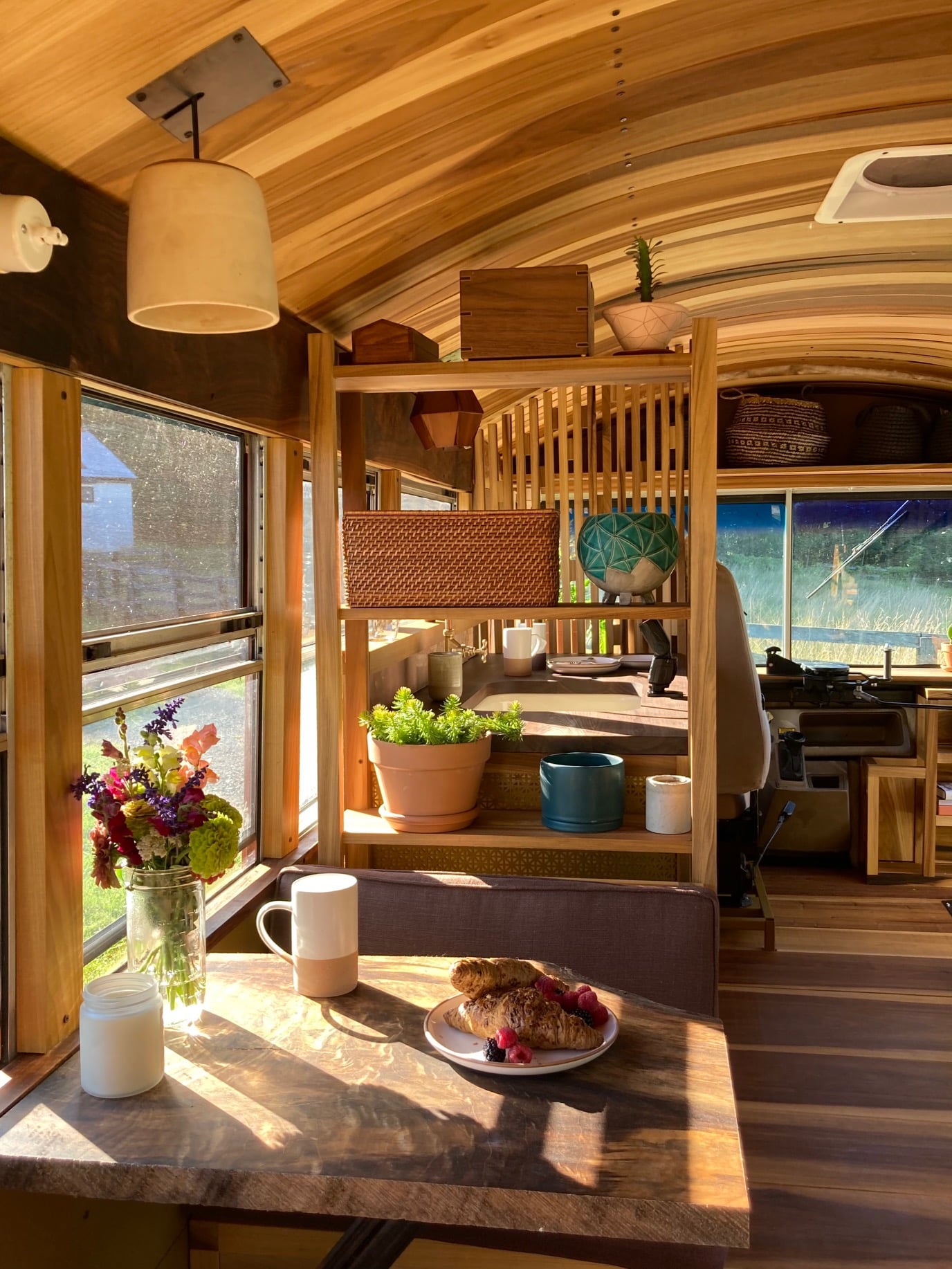
I’ve lost count of how many times someone has asked me some version of “how much does this actually cost?” And the follow-up is always the same: “and how do you pay for it?” Those are two very different questions, and most articles online mash them together into a vague mess that helps nobody. So let’s actually break this down. (See our guide on How Much Does It Cost to Convert a Bus Into a Home? for more on this.)
A bus conversion can cost anywhere from $8,000 to $50,000+ depending on the bus, the build quality, and whether you do the labor yourself. Monthly living expenses on the road run between $800 and $2,900. Financing options include personal loans, credit union RV loans (after reclassification), and good old-fashioned saving. The real question isn’t whether you can afford to do this. It’s whether you understand the full picture before you start writing checks.
“How much does it cost to have. And how much does it cost to have it maintained???”
Let’s split this into two parts because the person asking is really asking two separate things.
The upfront cost to buy and convert a school bus breaks down like this:
- Bus purchase: $3,000-$8,000 for a used school bus in running condition. Government auctions run cheaper ($1,500-$4,000). Private sellers charge more because they know this market exists now.
- Build materials and systems: $5,000-$45,000+ depending on your tier. Budget builds run $5,000-$10,000. Mid-range builds with solar, lithium batteries, and proper plumbing land around $15,000-$25,000. High-end builds with premium everything push past $40,000.
- Tools (if starting from scratch): $500-$1,500.
- Mechanical prep (tires, brakes, fluids): $500-$4,000.
So your total startup number is somewhere between $10,000 on the extreme low end and $60,000+ on the high end. Most people I’ve talked to land in the $20,000-$35,000 range for a comfortable, full-time-livable build.
For the full system-by-system cost breakdown, check out our School Bus Conversion Cost Breakdown where we go through insulation, electrical, plumbing, kitchen, bathroom, and everything else with real numbers.
Now, maintenance. This is the part people underestimate. A school bus is a commercial vehicle. It’s built tough, but it’s also old, and things wear out.
Annual maintenance budget: $1,500-$3,000 for a well-maintained diesel bus. That covers oil changes (about $150-$200 each), filters, belts, coolant, and the random stuff that goes wrong. If you bought a bus with deferred maintenance or you’re putting serious miles on it, budget higher. I’ve heard of people spending $5,000 in a single year on unexpected repairs, usually transmission or cooling system related. (See our guide on Should You Buy a Gas or Diesel School Bus? for more on this.)
“How much does this bus conversion cost? Also what is the monthly expenses?”
I covered the build cost above. Let’s talk monthly.
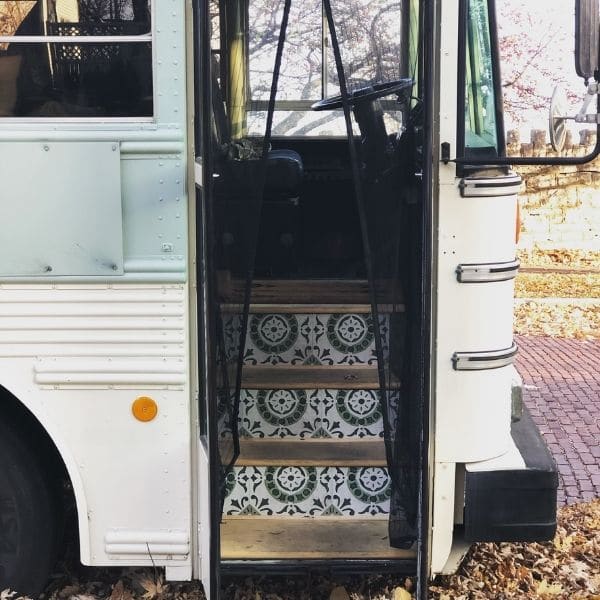
This is where bus life starts looking really attractive compared to traditional living, and I think it’s why so many people get interested in the first place. Here’s what a typical month looks like: (See our guide on Where Do You Buy a School Bus for Conversion? for more on this.)
Fuel: $200-$600. This swings wildly depending on how much you drive. If you’re parked for a month, it’s basically zero. If you’re moving every week, a full-size diesel bus getting 7-8 MPG with a 60-gallon tank, you do the math. But most full-timers aren’t driving cross-country every month. They move a few times, settle somewhere for a while, then move again.
Insurance: $50-$200/month. This depends on whether your bus is insured as a commercial vehicle, an RV (after reclassification), or through a specialty carrier. RV classification usually gets you the best rates.
Campground/parking fees: $0-$800. This one has the widest range of anything on the list. If you’re boondocking on BLM land or staying with friends, it’s free. If you’re in an RV park with full hookups, you’re looking at $500-$800/month, sometimes more in popular areas.
Food: $300-$600 for a couple. More if you have kids. Less if you cook most meals in.
Cell phone and internet: $50-$150. Most people use a cell plan plus Starlink ($120/month) or a mobile hotspot.
Propane: $20-$60. For cooking and heat, depending on the season.
Maintenance fund: $100-$300 set aside monthly. You’ll be glad you did this when something breaks.
Health insurance: $200-$600 depending on your plan. ACA marketplace, health sharing ministry, or employer-provided if you work remotely.
Miscellaneous: $100-$200. Laundry, random supplies, dump station fees, the stuff you don’t think about.
Total monthly: roughly $800-$2,900. Compare that to the average American rent of $1,700+ (not including utilities, car payment, and gas for a commute), and the numbers start making a lot of sense.
“How much Money per week do you spend in Gas a week?”
I wanted to pull this one out separately because fuel is the expense that scares people the most, and usually for the wrong reasons.
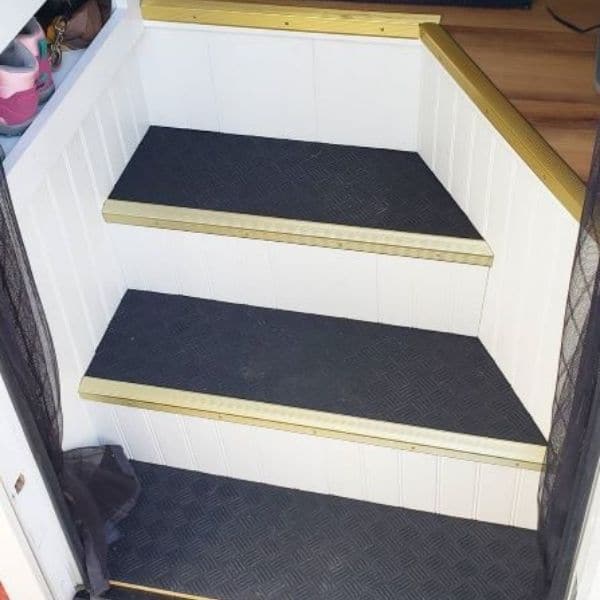
A full-size school bus gets 6-10 MPG depending on the engine, weight, terrain, and driving conditions. Short buses do better, around 10-14 MPG. So yes, filling up is expensive. A 60-gallon diesel fill at $4/gallon is $240. That hits different than filling a Honda Civic.
But here’s what people miss. You’re not commuting. There’s no daily drive to work, no running errands across town, no weekend trips. When you move the bus, you MOVE the bus, and then it sits for days or weeks.
I’ve been looking into the actual driving habits of full-time bus dwellers, and most drive between 300 and 800 miles per month. At 8 MPG, that’s 37-100 gallons, or roughly $150-$400/month in diesel. Some months it’s more, some months it’s less. The people who spend $800+ a month on fuel are the ones trying to drive coast to coast every few weeks. That’s a choice, not a requirement.
So when someone asks “how much per week,” the honest answer is it depends entirely on your travel style. If you’re parked? Zero. If you’re doing a big move? Maybe $200-$300 for that week. Average it out over a year and most people land around $300-$500/month.
“Great Mobile home! Just curious on how to sustain this type of living. What type of work do you two do to pay for all the diesel fuel, vehicle maintenance, health insurance, vehicle insurance?”
This is the real question behind all the budget questions. It’s not about the numbers, it’s about whether you can actually sustain this.
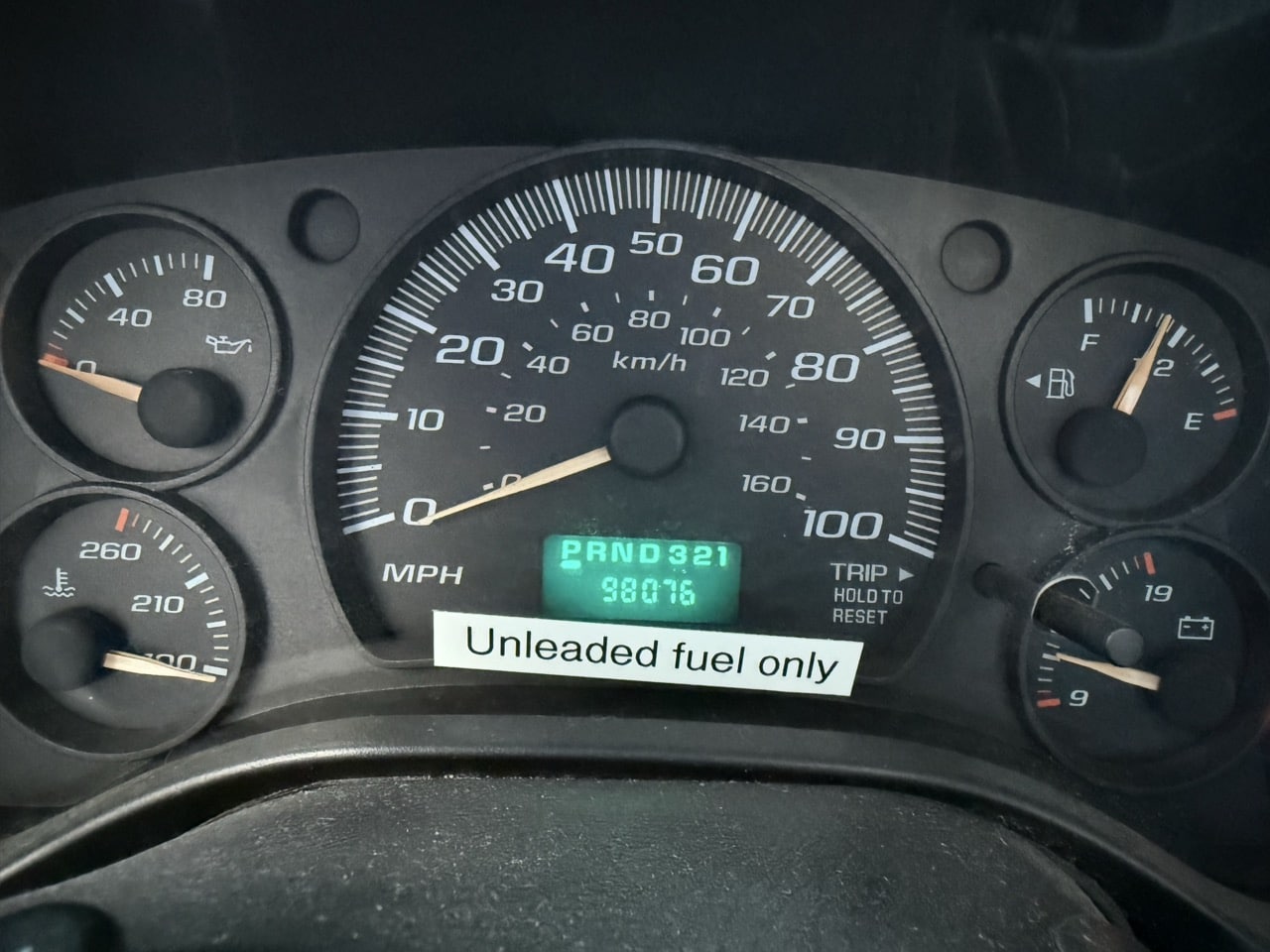
The most common income sources for full-time bus dwellers are remote work, freelancing, seasonal jobs, and various side hustles. I wrote a whole article on this: 11 Ways to Make Money Living in a Bus that goes deep on each option.
But the short version is this. If you work remotely (and millions of people do now), your income doesn’t change when you move into a bus. Your expenses drop dramatically. That gap between what you earn and what you spend, that’s the whole game.
A couple pulling in $4,000-$5,000 combined per month can live very comfortably on the road. In most cities, that same income means you’re scraping by after rent, utilities, car payments, and everything else. On the bus, you might bank $1,500-$2,000 of it.
Some people save up before going full-time. They work for 1-2 years, build a cash cushion of $10,000-$20,000, and use that as a runway while they figure out their on-the-road income. Others have their remote work or freelancing already in place before they ever buy a bus. Both approaches work, but walking into this with no income plan and no savings is a recipe for a bus parked in someone’s driveway three months later.
“Did you have jobs while doing this or was it part time after work and weekends?”
Now, this question is about the build itself, not life on the road. And it’s a good one because the timeline of a build depends entirely on how much time you can put into it.
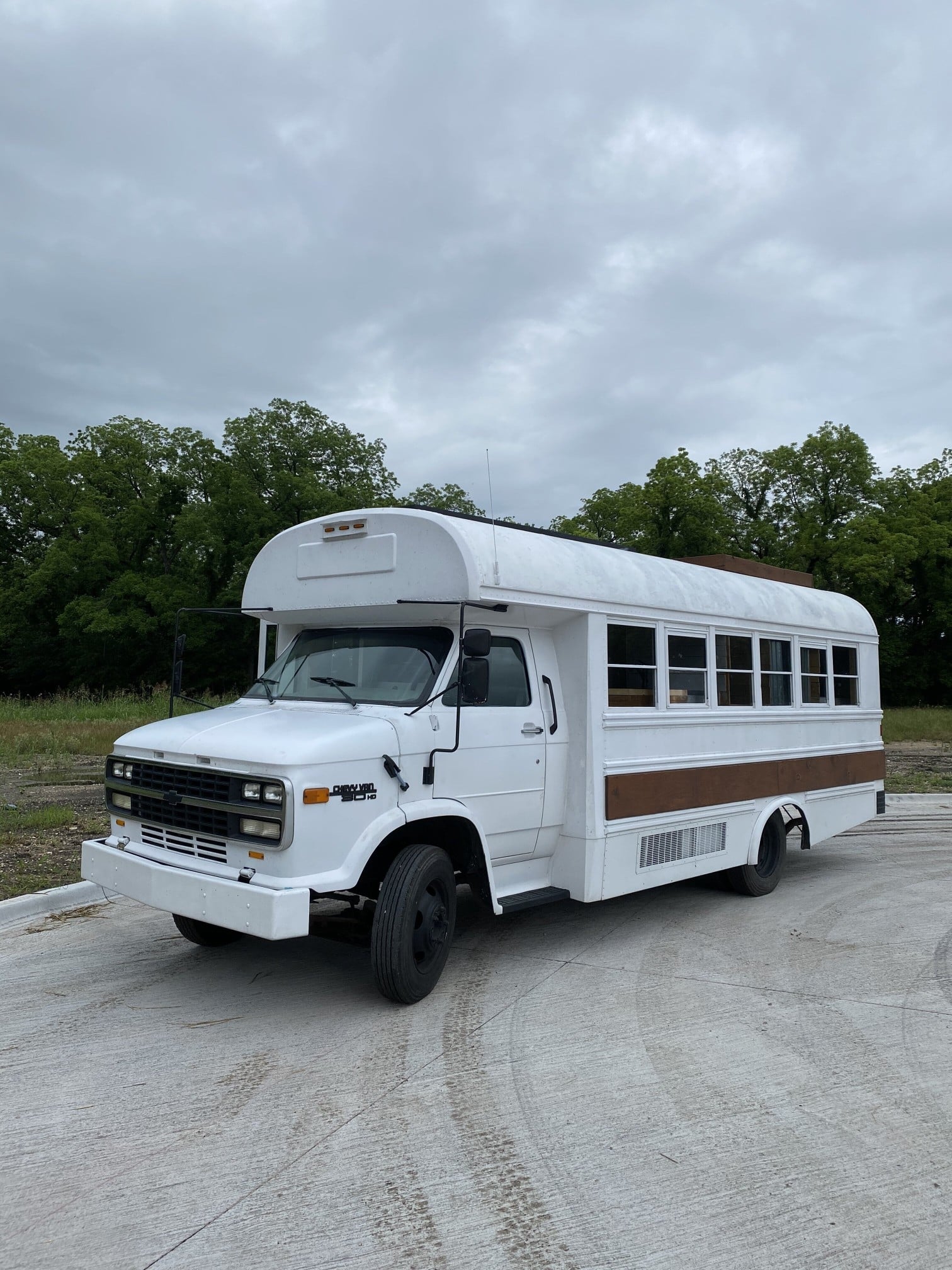
Most people build their bus while working a full-time job. That means evenings and weekends. At that pace, a basic-to-mid-range build takes 6-12 months. I’ve seen some drag out to 18 months for complex builds or people who hit a wall with motivation (it happens, and nobody talks about it).
A few things to know about building while working. First, your budget stretches out over those months, which can actually help. Instead of needing $25,000 upfront, you’re buying materials as you go, maybe $1,000-$2,000 a month. Second, you’re going to have periods where you don’t touch the bus for two or three weeks. That’s normal. Don’t beat yourself up about it.
I talked to a couple in Tennessee who built their bus entirely on weekends over 11 months. Both worked full time during the week. They’d hit the bus Saturday morning and work till dark, then do the same thing Sunday. Some weekends they couldn’t bring themselves to go out there and they just didn’t. Their build cost about $22,000 total and they did every bit of it themselves. Took longer than they planned but the result was solid.
The alternative is to quit your job and build full-time, which some people do. If you can swing it financially, a full-time builder can get a mid-range build done in 2-4 months. But you’re not earning income during that stretch, so your savings need to cover both living expenses and build materials. Most people can’t do this, and that’s fine. The bus doesn’t care how long it takes you.
“Why not just buy a regular house since you’re spending lots of money buying all the supplies?”
This is my favorite question because it gets to the heart of why people do this in the first place.
Let’s do the math. The median home price in the US right now is around $400,000. Even with a 20% down payment (that’s $80,000 cash), you’re looking at a $320,000 mortgage. At current interest rates, your monthly payment is somewhere around $2,100-$2,400, not including property taxes, homeowner’s insurance, HOA fees, maintenance, and utilities. All in, you’re easily at $2,800-$3,500 a month for a median-priced home.
A bus conversion? $20,000-$35,000 total, no mortgage, and monthly costs under $2,000 for most people. You could literally build two buses for the cost of a down payment on a house.
But here’s the thing, and I think this is what the person asking is really getting at. A house builds equity. A bus does not. A house (usually) appreciates. A bus depreciates. If your goal is to build wealth through real estate, bus life isn’t that.
What bus life IS, though, is freedom from a 30-year debt obligation, the ability to live in a different place every month, dramatically lower monthly expenses, and the time and flexibility that comes with not being anchored to a mortgage. Some people use bus life as a stepping stone. They live in the bus for 3-5 years, save aggressively, and then buy land or a house with cash. That’s actually a pretty smart play.
“How is this cheaper than building a house?”
Building a house from scratch in 2026 costs roughly $150-$250 per square foot depending on your location and finishes. A modest 1,200 square foot home runs $180,000-$300,000 just for construction, not including land.
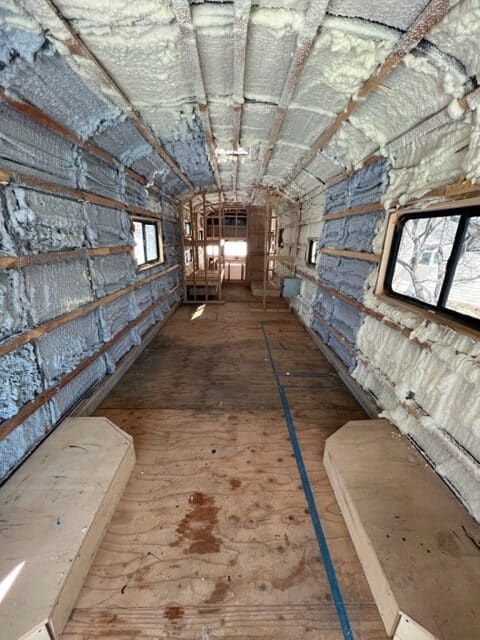
A bus conversion gives you roughly 200-300 square feet of living space for $10,000-$50,000. So on a per-square-foot basis, it’s actually not that different, maybe even more expensive if you go high-end. But you’re comparing different things.
The bus comes with wheels. It comes with a chassis and engine. It doesn’t need a foundation, a septic system, a well, electrical service run from the street, or any of the other infrastructure costs that come with building on raw land. You don’t need to buy land at all if you don’t want to. And there’s no property tax on a bus.
So is it cheaper than building a house? In terms of total dollars out of your pocket, absolutely. In terms of what you get per dollar? It depends on what you’re valuing. If you value mobility and low overhead, the bus wins and it’s not close. If you value space and long-term investment, a house makes more sense. (See our guide on Is a Skoolie Cheaper Than Buying an RV? for more on this.)
“what price you need to be prapared to build one?”
I love this question because it’s direct. No overthinking, just tell me the number.
Here’s the honest answer by tier:
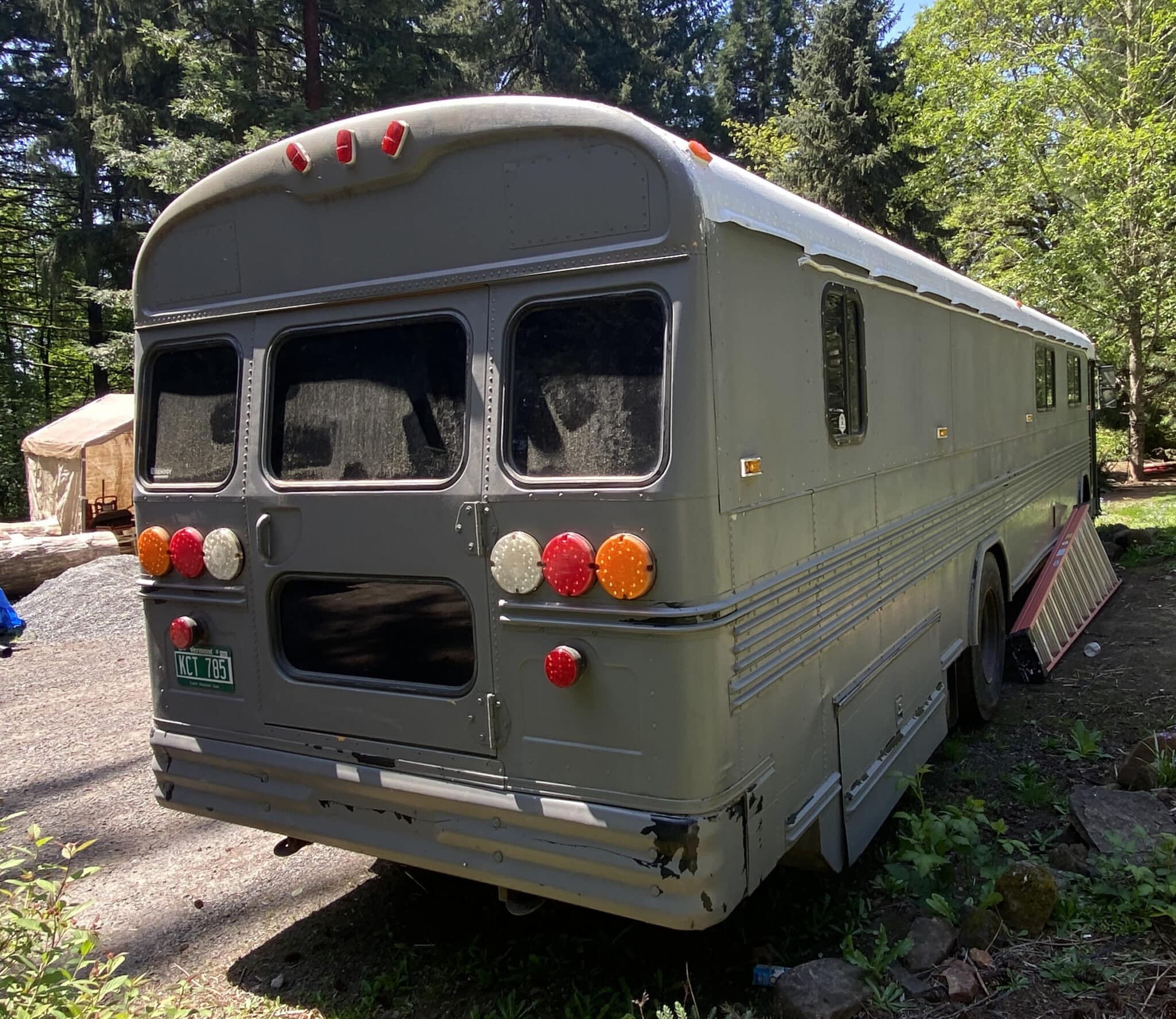
Bare minimum (functional but basic): $8,000-$15,000 total. Cheap bus from auction ($2,000-$4,000), budget materials, minimal electrical, basic plumbing, DIY everything. This gets you a livable bus, but you’re making compromises. Think lead-acid batteries, a hand-pump sink maybe, and a basic propane setup.
Comfortable mid-range: $20,000-$35,000 total. Decent bus ($4,000-$7,000), solar and lithium electrical, proper plumbing with a composting toilet and shower, insulated walls and ceiling, a real kitchen with a 12V fridge. This is where most full-time builds land. It’s not luxury, but it’s genuinely comfortable.
High-end: $40,000-$80,000+. Premium bus or coach, large solar array, residential-quality finishes, professional-grade systems, possibly some hired-out work. These are the buses you see on YouTube that make you question why anyone lives in a house.
My advice? Budget for mid-range even if you’re planning a budget build. Things cost more than you expect, you’ll change your mind about materials at least twice, and there’s always something you didn’t account for. Build a spreadsheet, add 20% contingency, and start from there. The people who get in financial trouble are the ones who start without a number and figure it out as they go.
“Do you work remotely or are you retired? I’m curious about how you cover ongoing costs.”
The mix is actually broader than most people assume. Here’s what I see in the bus life community:
Remote workers: This is the biggest group by far. Software developers, customer service reps, writers, marketers, virtual assistants, bookkeepers. If a laptop and WiFi are your office, the bus is your office.
Freelancers: Similar to remote workers but with multiple clients instead of one employer. Designers, photographers, video editors, social media managers. The flexibility of freelancing and the flexibility of bus life go together naturally.
Seasonal workers: Amazon CamperForce, national park staff, harvest workers, resort employees. Work for a few months, save up, travel for a few months. Repeat.
Retired: Yes, some are retired. Social Security plus maybe a pension plus no rent equals a very comfortable bus life for retirees. Some retired couples I’ve met spend less than $1,500/month total.
Business owners: Some people run small businesses from the bus. Online stores, consulting, coaching, content creation. This takes more setup but the overhead is almost nothing when your “office” costs you $0 in rent.
Combination: And honestly, a lot of people do a mix. Remote work three days a week, freelance on the side, sell stuff on Etsy, whatever. When your expenses are $1,500/month, you don’t need a six-figure income. You need consistency and a little hustle.
For a deeper look at specific income strategies, check out 11 Ways to Make Money Living in a Bus.
Financing Options (Because Not Everyone Has $25K in Cash)
Alright, so let’s talk about the part nobody covers well. How do you actually pay for a bus conversion if you don’t have the cash sitting in savings?
Option 1: Save and pay cash. This is the simplest and cheapest route. No interest payments, no monthly loan obligations, no stress. If you can save $500-$1,000 a month for 18-24 months, you’ll have enough for a solid mid-range build. A lot of people start saving while they research and plan, so by the time they’re ready to buy a bus, they’ve got the cash.
Option 2: Personal loan. Banks and credit unions offer unsecured personal loans in the $5,000-$50,000 range. Interest rates vary (8-15% is common for decent credit), and terms are usually 3-5 years. This is probably the most accessible financing option. You don’t need to tell the bank what the loan is for, you just need decent credit and provable income.
Option 3: RV loan after reclassification. This is the move that savvy builders make. Once your bus is converted and passes an RV inspection, you can get it reclassified as a recreational vehicle in most states. After reclassification, some credit unions and specialty lenders will offer an RV loan, which typically has lower interest rates (5-8%) and longer terms (10-15 years) than a personal loan. The catch is you have to finish the build first, so this is more of a refinancing tool than upfront financing.
Option 4: Credit union vehicle loan. Some credit unions will finance a bus purchase as a vehicle loan. The rates are usually better than a personal loan but worse than an RV loan. Credit unions are generally more flexible than big banks for unconventional vehicles.
Option 5: Credit cards. I’ll be honest, this is the worst option and I’ve seen people do it. High interest rates (18-25%), and if you’re putting $20,000 on credit cards, you’re creating a financial hole that can take years to climb out of. The only scenario where this makes sense is if you have a 0% APR promotional period and the discipline to pay it off before the rate kicks in. Most people don’t have that discipline. I wouldn’t recommend this route.
Option 6: Build as you go. This isn’t financing exactly, but it’s how a lot of people handle the cash flow. You buy the bus with savings, then fund each phase of the build with your paycheck. Insulation this month, electrical next month, plumbing the month after. The build takes longer but you avoid debt entirely. This pairs well with the “build on evenings and weekends” approach.
Hidden Costs People Miss
I wanted to end on this because it’s the stuff that sneaks up on you and blows your budget if you’re not ready.
Registration and titling: $100-$500 depending on the state. Some states charge sales tax on the purchase price of the bus too.
Insurance during the build: $50-$100/month. You need coverage even while the bus is parked in your driveway being torn apart.
A place to park during the build: $0-$200/month. If your HOA or landlord won’t allow a bus in the driveway, you need to rent space somewhere.
Fuel to move the bus to your build location: Depending on where you buy it, this could be $100-$400 just to get the bus home.
Mistakes and redo’s: Budget 15-20% extra on top of your total. You will cut something wrong, buy the wrong fitting, or change your mind about something after it’s already installed. Everyone does. It’s not a sign of failure, it’s just how building things works.
Propane system certification: $100-$300 in some states if you need it for insurance or RV reclassification.
The “while I’m at it” trap: You’re installing the kitchen counter and you think, you know what, I should also do a tile backsplash while I’m at it. That’s another $200. Then you see a better faucet. Another $80. These small add-ons snowball fast. Stay disciplined with your budget or keep a separate “upgrades” fund.
So What’s the Real Bottom Line?
Look, I’m not going to wrap this up with some neat bow and tell you bus life is for everyone. It’s not. But the financial side is genuinely more approachable than most people think.
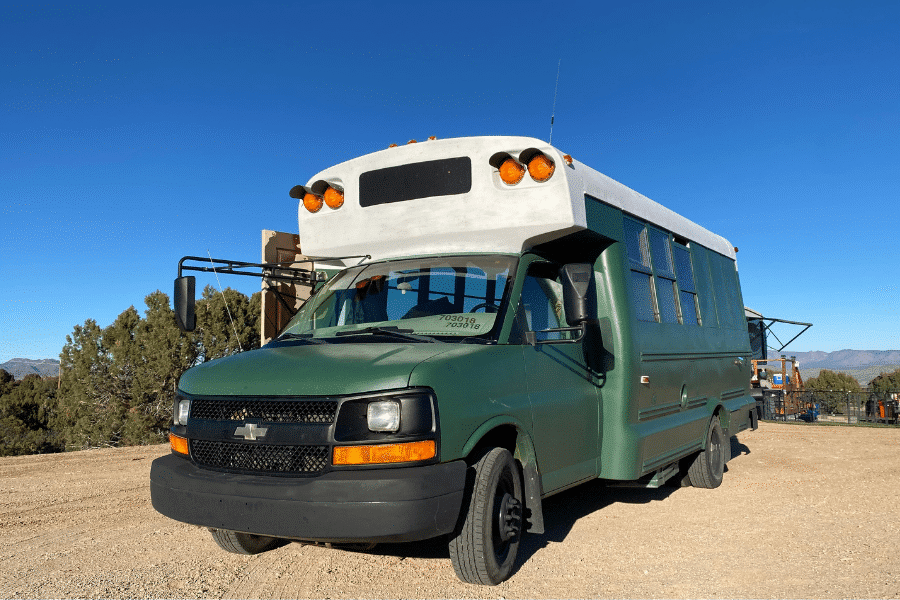
If you can save $20,000-$30,000 (or finance part of it), you can build a comfortable full-time home on wheels. Once you’re living in it, your monthly expenses drop to $800-$2,900, which is less than most people pay in rent alone. And if you’re working remotely or freelancing, your income stays the same while your costs plummet. (See our guide on Can You Finance a School Bus Conversion? for more on this.)
The people who succeed financially in bus life are the ones who plan before they spend. Build a real budget. Track every dollar during the build. Set aside a maintenance fund from day one. And be honest with yourself about what you can afford versus what you want.
You don’t need to build the perfect bus on the first try. You need to build a safe, functional bus that you can improve over time. Start with what you can afford and upgrade later. The bus will wait.
qfop5s
sysw58
jberk7
tfs6at