
This is one of those things that nobody thinks about until they’re like two weeks from hitting the road. I was deep into planning my build when it hit me — wait, if I don’t have a house anymore, where does my mail go? Where does my driver’s license say I live? It sounds like a small detail but it touches everything, your insurance, your taxes, your bank, your job if you have one.
Most full-time bus dwellers use a mail forwarding service that gives you a real street address (not a PO Box). Companies like Escapees, Americas Mailbox, and Traveling Mailbox provide a physical address in a mail-friendly state like South Dakota, Texas, or Florida. You use this address for your driver’s license, vehicle registration, insurance, voter registration, and taxes. They scan or forward your mail wherever you are. Costs run $100-$300 per year.
How do y’all get mail? Is it a PO Box? What about tax stuff?
So this came up in basically every forum I looked at, and the answer is almost always the same. Most full-timers don’t use a PO Box, and for good reason. A PO Box doesn’t count as a residential address for things like your driver’s license, car insurance, or voter registration. You need a real street address, and that’s where mail forwarding services come in.
You sign up, they give you a physical street address (like “123 Main St, Suite 456, Rapid City, SD”). Mail arrives there, they scan the envelope or open and scan the contents, and you view it all online. You pick what gets forwarded, shredded, or held. I talked to a couple who’d been full-timing for three years and they said they check their scanned mail on their phone maybe twice a week and forward an actual physical piece of mail maybe once every few months. Everything important is digital now anyway.
For taxes, you file in the state where you’re domiciled. If your address is in South Dakota, you pay South Dakota taxes, which means no state income tax. Same deal with Texas and Florida. That’s why those three states are so popular with full-timers, and honestly once I understood that part it made the whole decision pretty obvious.
Genuinely curious — what address do you put on your ID?
Your mail forwarding address. That’s the whole point of establishing domicile in a state.
Here’s how it works, and it’s simpler than I expected. You pick a domicile state (South Dakota is the easiest). You sign up with a mail forwarding service there. You physically visit the state, some only require one night at a campground. You go to the local DMV and get a driver’s license using your forwarding address. That address is now your legal residence for all purposes.
Your driver’s license, vehicle registration, insurance, voter registration, and tax returns all use this same address. Legally, you’re a resident of that state even though your “home” is parked in a Walmart lot in Arizona. It felt weird at first but it’s completely normal in the full-time RV and bus world.
My problem is I can’t use a PO Box and still keep my job. I need a residential mailbox.
This is exactly why mail forwarding services exist, and I think people don’t realize how legitimate these addresses are. The address they give you is a real street address, not a PO Box. It works for employers, background checks, banks, and anything else that requires a residential address.
Americas Mailbox in South Dakota and Escapees in Texas both provide addresses that pass employment verification. Your employer sees a normal street address, they have no idea it’s a forwarding service. I know someone who works remotely full-time from their bus and their HR department has no clue they don’t live in a traditional house. It just works.
Some people also use a family member’s address. That works fine too, but you’re tied to whatever state they live in for tax purposes. If your parents live in California, congratulations, you’re paying California income tax. A forwarding service in South Dakota means zero state income tax. That alone can save you thousands per year depending on your income.
Why do all bus builders neglect talking about a residential address?
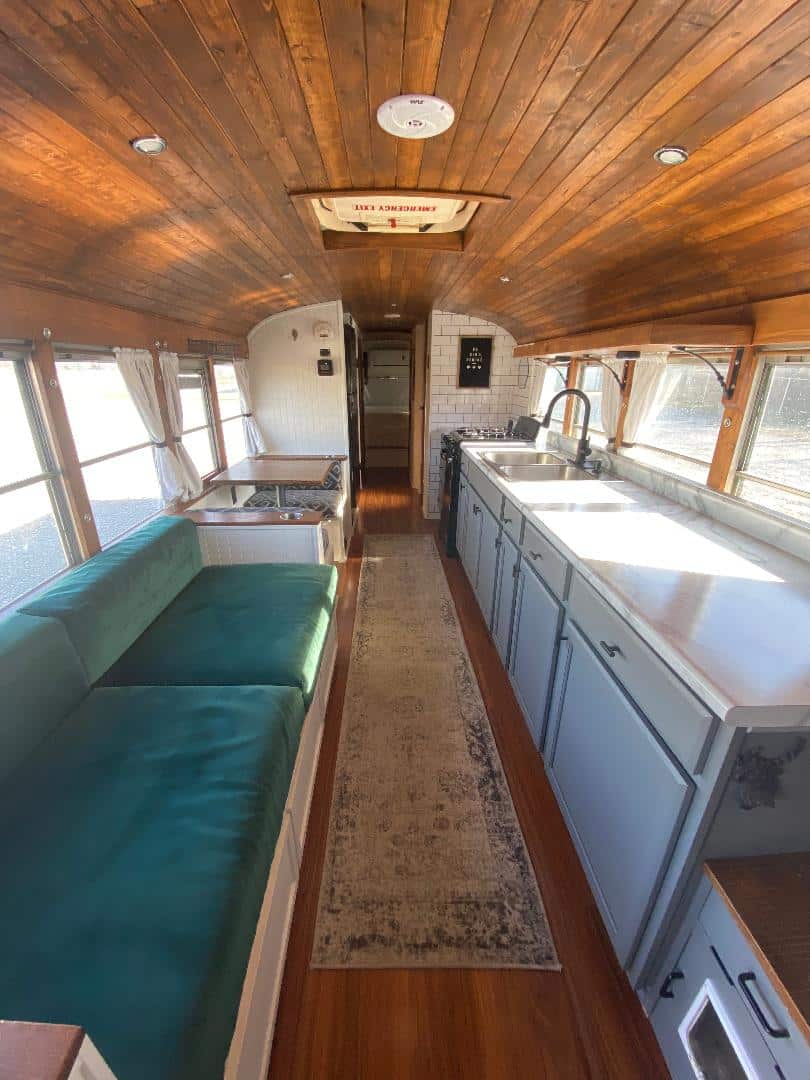
This is such a good point and it drove me crazy when I was researching. Everyone wants to talk about solar panels and floor plans, but nobody mentions the paperwork that makes full-timing actually work. I had to dig through Reddit threads and Facebook groups to piece together what I actually needed to do, and that’s part of why I wanted to write this article.
Here’s what you need to handle before going full-time, in order. Pick your domicile state — South Dakota, Texas, or Florida. Each has zero state income tax and easy domicile requirements. Sign up for a mail forwarding service, budget $100-$300 per year. Visit the state in person and get your driver’s license updated to the new address. Re-register your bus in that state and transfer your vehicle registration. Update your insurance, your premiums may actually go down depending on where you’re coming from. Then update your bank, credit cards, and voter registration.
This whole process takes about a week if you plan the trip. I’d recommend doing it before you leave on your first big road trip, not after. Trying to sort out domicile paperwork while you’re already on the road is a pain, and if you’re interested in the financial side of bus life, getting your domicile state right is one of the biggest money-saving moves you can make.
The Bottom Line
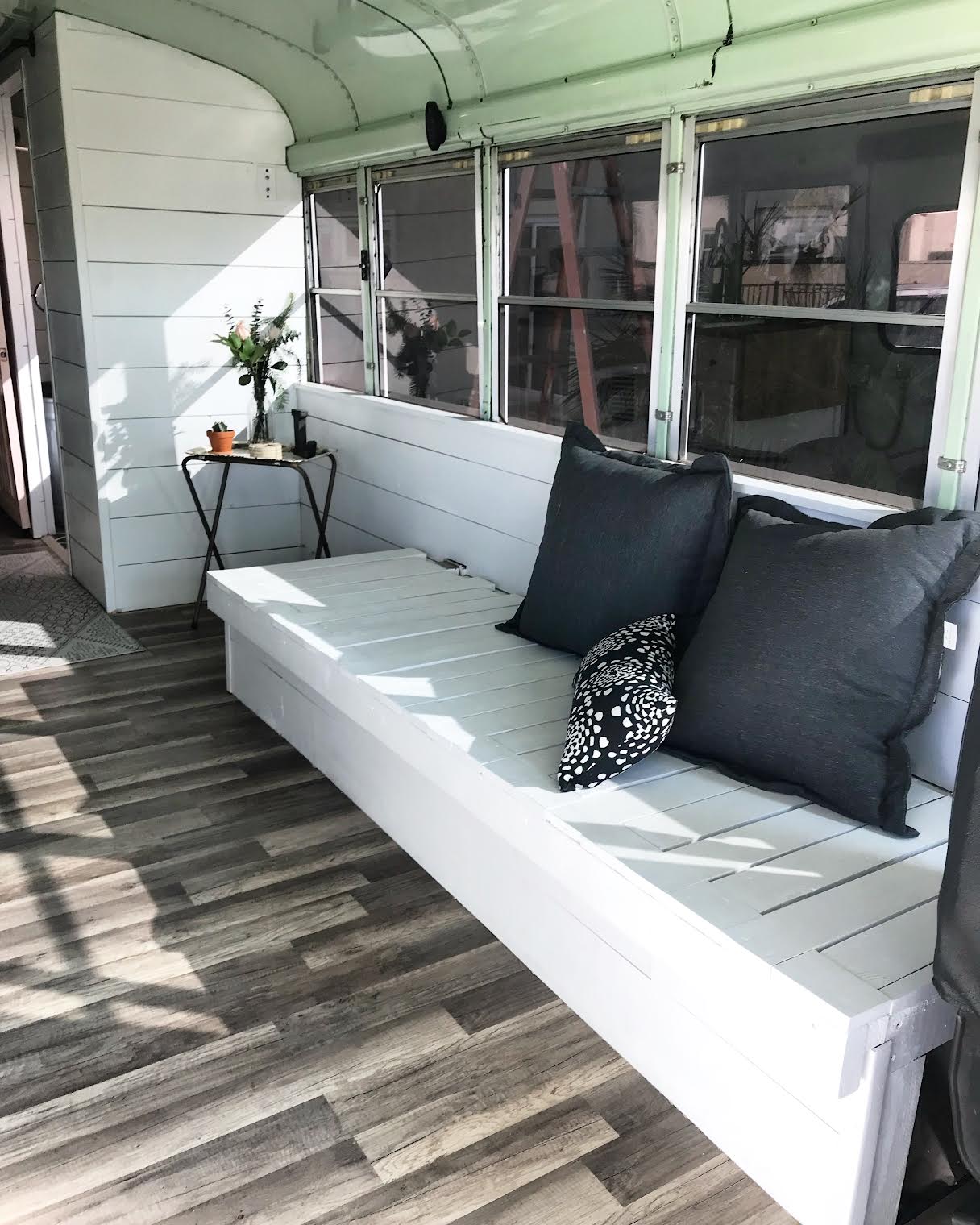
After looking into all of this, the mail and address thing really isn’t as complicated as it seems at first. You pick a no-income-tax state, sign up with a forwarding service for a couple hundred bucks a year, and that becomes your address for everything. South Dakota is the most popular choice because the domicile requirements are basically just spending one night there and walking into a DMV.
The part that matters most is doing it before you go full-time. Sort out your domicile, get your license, re-register the bus, update your insurance. It’s a week of boring paperwork that saves you from a year of headaches down the road. And honestly, paying zero state income tax makes that week of paperwork one of the best investments in the whole bus life journey.
nii8se
25w8vv
8xad7w