
This was one of those things that kept tripping me up when I was researching bus conversions. Every state seems to have slightly different rules, and the DMV websites are about as helpful as you’d expect. I spent a solid weekend just trying to figure out what paperwork I actually needed, and what I found is that the process is simpler than the internet makes it sound.
To register a converted school bus as an RV, you need to remove the passenger seats, complete enough of the conversion to meet your state’s RV requirements (typically a bed, cooking facility, and water storage), then visit your local DMV with photos of the interior, the current title, and a completed RV affidavit or inspection form. Most states charge $50-$200 for the re-title. The process takes anywhere from a single DMV visit to a few weeks depending on your state.
How were you able to get the title restructured to register it as an RV? How does that process go?
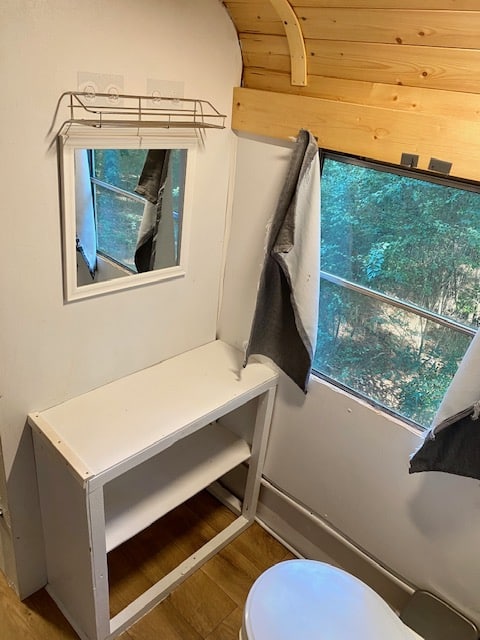
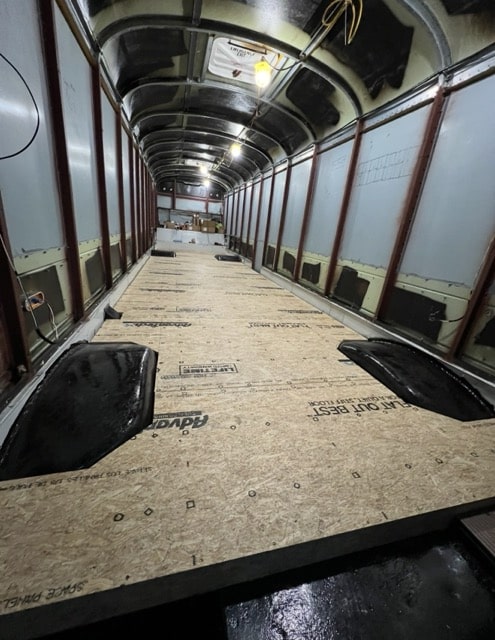
So I dug into this for a while and talked to a few people who’d been through it in different states. The process varies, but the general flow is pretty much the same everywhere.
First, remove all the passenger seats. This is step one no matter where you are. A bus with seats is a bus. A bus without seats is on its way to being something else. I’ve heard of people showing up at the DMV with seats still bolted in and getting sent home immediately. Don’t be that person.
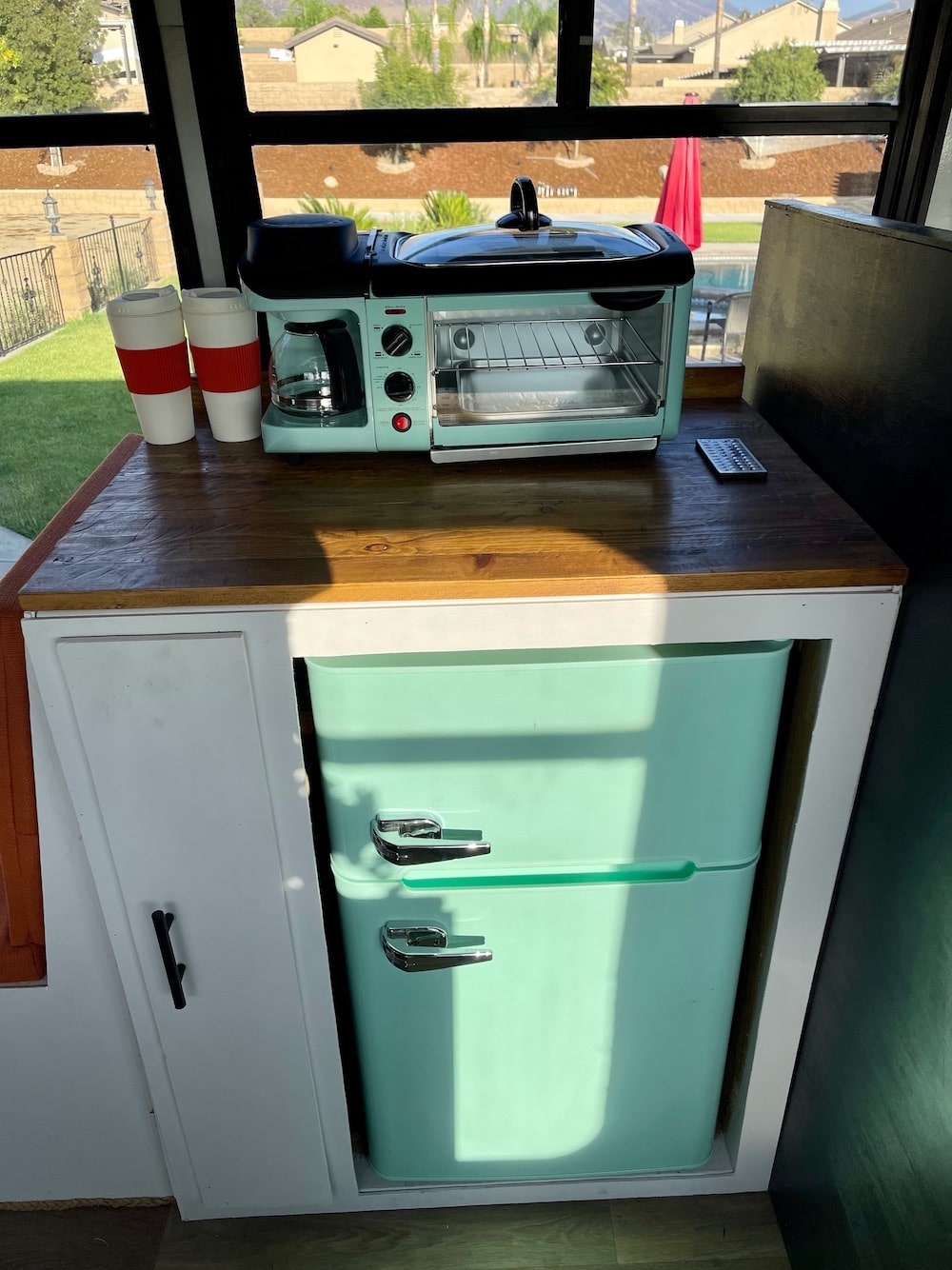
Second, your state will require certain RV amenities to be installed before they’ll re-title. The most common requirements are a permanent sleeping area (bed or convertible couch), a cooking facility (stove, cooktop, or microwave), and water storage (fresh water tank). Some states also want a toilet or sink. The specifics vary and honestly the best way to find out is to call your local DMV office directly, because the website won’t always have the conversion requirements listed clearly.
Third, take photos of everything. Interior shots showing the bed, kitchen, and water setup. Some states want you to bring the bus to an inspection station. Others just want the photos and a signed affidavit saying it’s being used as a recreational vehicle.
Fourth, go to the DMV with your current bus title, your photos or inspection paperwork, your ID, and whatever fee your state charges. If everything’s in order you’ll walk out with an RV title. I’ve heard of people getting it done in a single visit, and I’ve heard of it taking three trips because the person at the counter didn’t know what to do. Patience helps.
When is the best time to get it re-registered — before or after the build is complete?
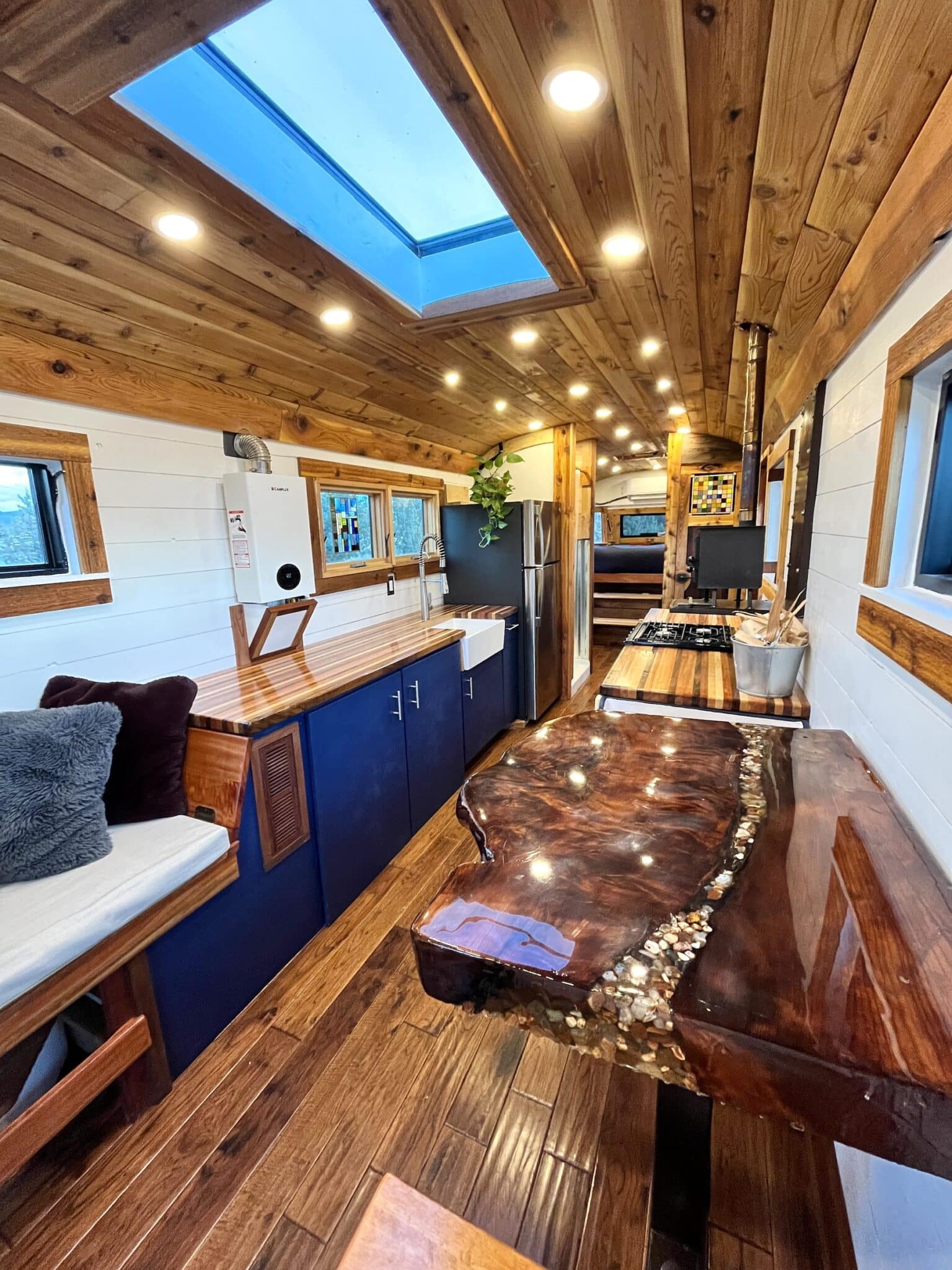
I went back and forth on this one and asked around a lot. Both approaches work, but there’s a reason most experienced builders say do it as early as possible.
If you re-title early, even with just a basic bed, a portable cooktop, and a water jug, you can start driving the bus on an RV title immediately. This means easier insurance, no CDL gray area, and the bus is classified as a personal vehicle from day one. That matters more than people realize.
If you wait until the build is fully done, you’re driving around on a bus title the whole time. That makes insurance harder to get and technically keeps it classified as a commercial vehicle in some states. I talked to one guy who got pulled over and had to explain to the officer why he was driving a “commercial bus” with no passengers and a bed in the back. Not a fun conversation.
The sweet spot that most people recommend: get the minimum RV requirements installed, re-title it, then finish your build at your own pace. You don’t need a finished kitchen, just proof that it’s being used as living space. If you’re wondering whether you need a CDL to drive your bus, getting it re-titled as an RV usually resolves that question too.
So did they have to get the bus weighed for title and licensing after the finished rebuild?
Some states require a weight ticket as part of the re-titling process, but it’s not universal. States like California and Montana often want to know the actual weight of the vehicle for registration fees. Other states don’t ask at all.
Getting weighed is easy and cheap. Drive to any truck stop with a CAT scale, it costs about $12-$15. You’ll get a printed ticket showing your gross weight. Keep this with your registration paperwork.
Even if your state doesn’t require it, knowing your actual weight is smart. It tells you how much cargo capacity you have left, whether you’re within your tire ratings, and whether you’re under the 26,000 GVWR threshold that keeps you out of CDL territory. I was surprised how quickly weight adds up once you start putting in a real build. Water alone can be 500+ pounds if you’re carrying a big tank, and that catches people off guard.
Can someone tell me what it would cost to plate the bus?
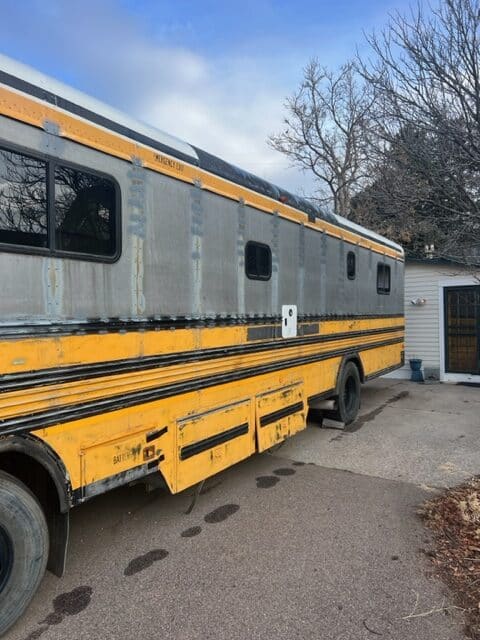
This is where it gets all over the map, literally. Registration costs vary wildly by state and are usually based on the vehicle’s weight, age, and your state’s fee structure.
On the low end, states like Arizona, South Dakota, and Montana charge $100-$300 per year for RV registration. On the high end, states like California and New York can run $300-$800+ depending on weight. I’ve seen people post registration bills over $1,000 in California for heavy buses and that’s just annual registration, not even the re-title fee.
Here’s a tip I kept seeing from full-timers: establish domicile in a state with low registration fees. South Dakota, Texas, and Florida are the three most popular domicile states for full-time RV and bus life. South Dakota in particular makes it extremely easy, you can establish residency with just one night at a campground and a mail forwarding service. A lot of skoolie owners save hundreds per year just by being smart about where they register.
The Bottom Line
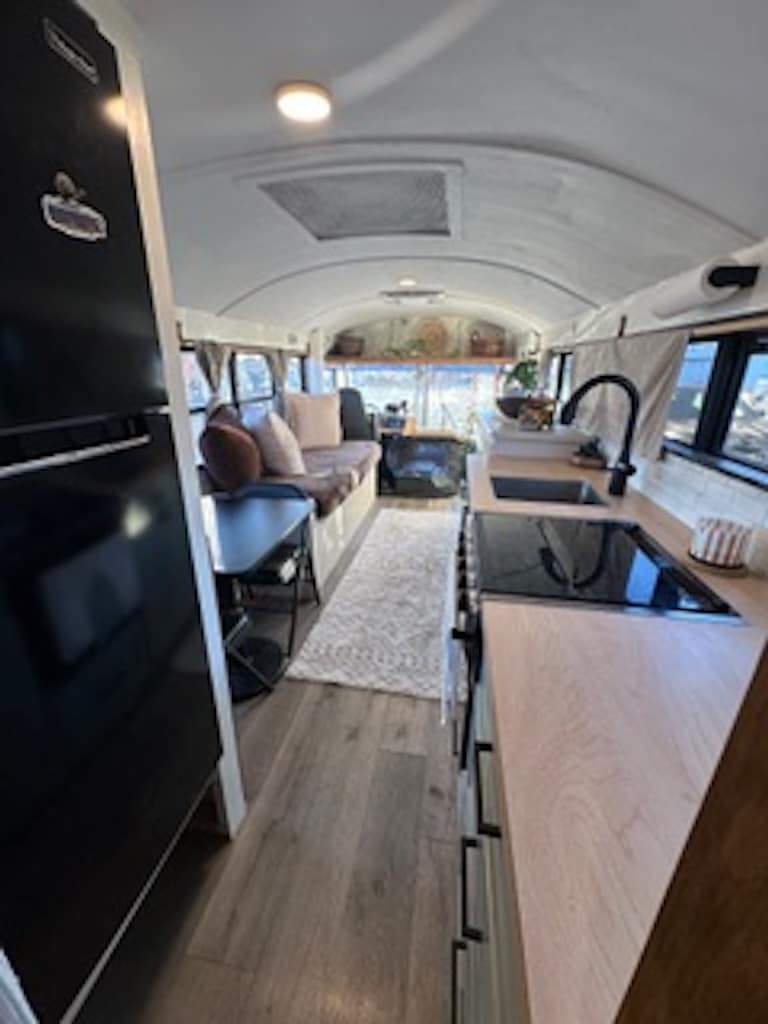
After digging into all of this, here’s what it comes down to. The re-titling process itself is not that complicated once you know what your specific state wants. Remove the seats, install the basics (bed, cooking, water), bring your paperwork and photos to the DMV, and pay the fee. The whole thing costs $50-$200 in most states.
The big takeaway I keep coming back to is don’t wait. Get it re-titled as early in your build as possible, even if the bus is far from finished. It makes insurance easier, it clears up the CDL question, and it means you’re driving on a personal vehicle title instead of a commercial one. And if registration costs are eating you alive, look into domiciling in a state that’s friendlier to RV owners. That’s what a lot of people in this community end up doing, and it makes a real difference.
2 thoughts on “How Do You Register a Converted School Bus as an RV?”